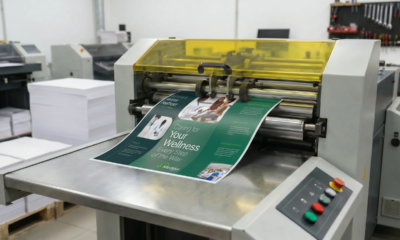
Patients start forming opinions the moment they walk into your clinic. The signs, printed materials, and the overall appearance of your space quickly shape how organized, professional, and trustworthy your practice appears.
First impressions matter even more in a medical setting. As a medical office manager, you can improve the patient experience by creating and maintaining consistent branding across all materials and locations.
Setting up a brand for your medical services helps you keep your materials consistent and maintain your professionalism, especially for the patients you see every day.
How Consistent Branding Builds Patient Trust
Most patients do not spend much time thinking about branding, but they do notice how organized and consistent your clinic looks. Good branding shows professionalism and order. When you use it clearly on your signs and printed materials, visitors are more likely to appreciate your clinic, even if they only notice your logos in passing.
Here are key advantages that branding brings to your clinic:
- Clear and familiar communication
- A sense of structure and professionalism
- Confidence that your processes stay consistent
If your branding changes, even slightly, it can make patients pause and hesitate. For example, if a patient receives test results on letterhead that differ from what they saw at check-in, they might wonder whether the document is official.
Where Branding Gaps Often Show Up in Medical Establishments
Most clinics have some form of branding, but keeping it consistent every day can be challenging. Here are a few things that can affect brand consistency:
- Materials are ordered by different staff members.
- Vendors are changing based on urgency or cost.
- Templates are saved locally instead of centrally.
- Updates are made without system-wide rollout.
A study by Lucidpress found that maintaining brand consistency can increase revenue by up to 23%. While this study covers many industries, the main point still applies. Rather than focusing on mistakes, it’s better to look for ways to improve your branding and make it consistent throughout the institution.
Here are some areas you might want to review:
- Business cards issued at different times or locations
- Letterheads used by various departments
- Signage created during expansions or renovations
- Medical forms and patient records that evolve over time
- Envelopes and other mailing requirements.
When your branding is consistent, people are more likely to recognize and trust your clinic. This helps keep patients returning and can lead to more referrals.
Why Print Materials Carry More Weight in the Medical Industry
Print materials are still crucial in medical settings because patients often need physical documents during their care. Medical forms, instruction summaries, prescriptions, referrals, and business cards provide patients with the information they need and use regularly. While many industries focus on digital branding, healthcare relies on printed materials for clear and consistent communication.
Consistent print materials help:
- Reduce confusion by using predictable formats.
- Reinforce professionalism during every interaction.
- Make information easier to read and understand.
- Help with compliance by standardizing documents.
Key print materials to focus on:
- Use the same layout, font, and logo placement for all providers.
- Make sure contact details are always in the same format.
Letterheads and envelopes
- Use one approved design for all official communication.
- Keep the logo size and position consistent.
- Use the same fonts, colors, and tone throughout.
- Make sure directions and policies are easy to follow.
- Use the same structure for all documents patients see.
A Practical System for Maintaining Consistency
Maintaining consistent branding is simpler when your organization uses clear systems that help every department stay accurate and precise.
Step 1: Standardize Your Most Frequently Used Materials
Start with the materials patients see most often, such as business cards, forms, envelopes, signs, and letterhead. Create approved master versions to maintain consistent formatting, messaging, and branding across all printed items.
Step 2: Create a Centralized System for File Access
Keep all approved templates in a shared cloud folder with limited editing access. This helps prevent old versions, unwanted changes, and inconsistent branding from spreading between departments or locations.
Step 3: Partner With a Reliable Printing Provider
Choose a print vendor who can handle different materials and keep colors and proofs consistent. Only switch vendors if you have problems with quality or service.
Step 4: Keep Brand Guidelines Clear and Easy to Follow
Keep brand guidelines focused on the basics, like where to put the logo, which colors and fonts to use, and how to set up layouts. Simple instructions make it easier for teams to follow them every time.
Step 5: Assign Responsibility for Brand Consistency
Brand consistency gets better when everyone knows their role. Choose one person to approve materials, check in every quarter, and make sure updates happen at all your clinics or offices.
Staff are more likely to follow short, practical guidelines than long documents with extra branding details.
In Summary
Consistent branding in a medical office is about more than just looks. It helps build patient trust, makes communication clearer, and helps your office run more smoothly. As a medical office manager, you already handle workflows, vendors, and patient experience. Making your print materials consistent is a natural next step in your role. When you standardize important materials, use shared templates, and choose reliable partners like UPrinting, your office feels more organized and trustworthy. This makes it easier for every patient to find their way.