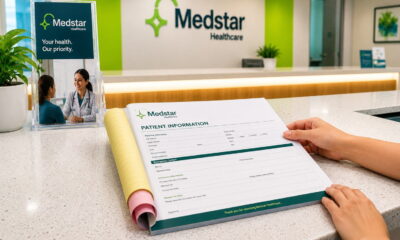
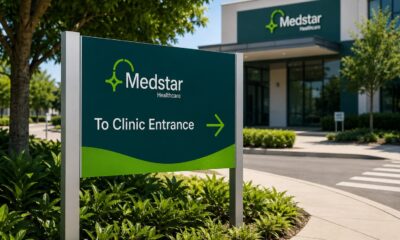
Running a medical institution can be complex. If you work in a hospital or own a clinic, it’s important for staff, consultants, and nurses to work efficiently and pay attention to details so patients and visitors have good experience, receive the proper attention and care, and establish trust.
Most print materials for medical stations, clinics, and hospitals focus on professionalism and quality healthcare. When you promote your institution, your marketing materials should show that same level of professionalism.
In this article, we’ll guide you in choosing print products that represent the healthcare field well and show you how to manage printing and promotions without spending too much.
Print Materials and Promotions in a Hospital Setting

Reviewing healthcare signage and print materials
Hospital promotions are different from those in retail, food, or online shopping. Patients come to clinics and health centers already looking for information to help with their care and treatment.
In these situations, promotions should focus on:
- Providing content and information that directly helps the patient’s situation.
- Making sure information is easy to find and read, so visitors can follow hospital rules and get consultations quickly.
- Focusing on efficiency and relevance to reduce bottlenecks and long lines, which can cause concerns and frustration.
When you design hospital promotions around patient needs, you can build a stronger reputation and present a more professional image.
Choose Medical Print Materials for Patients
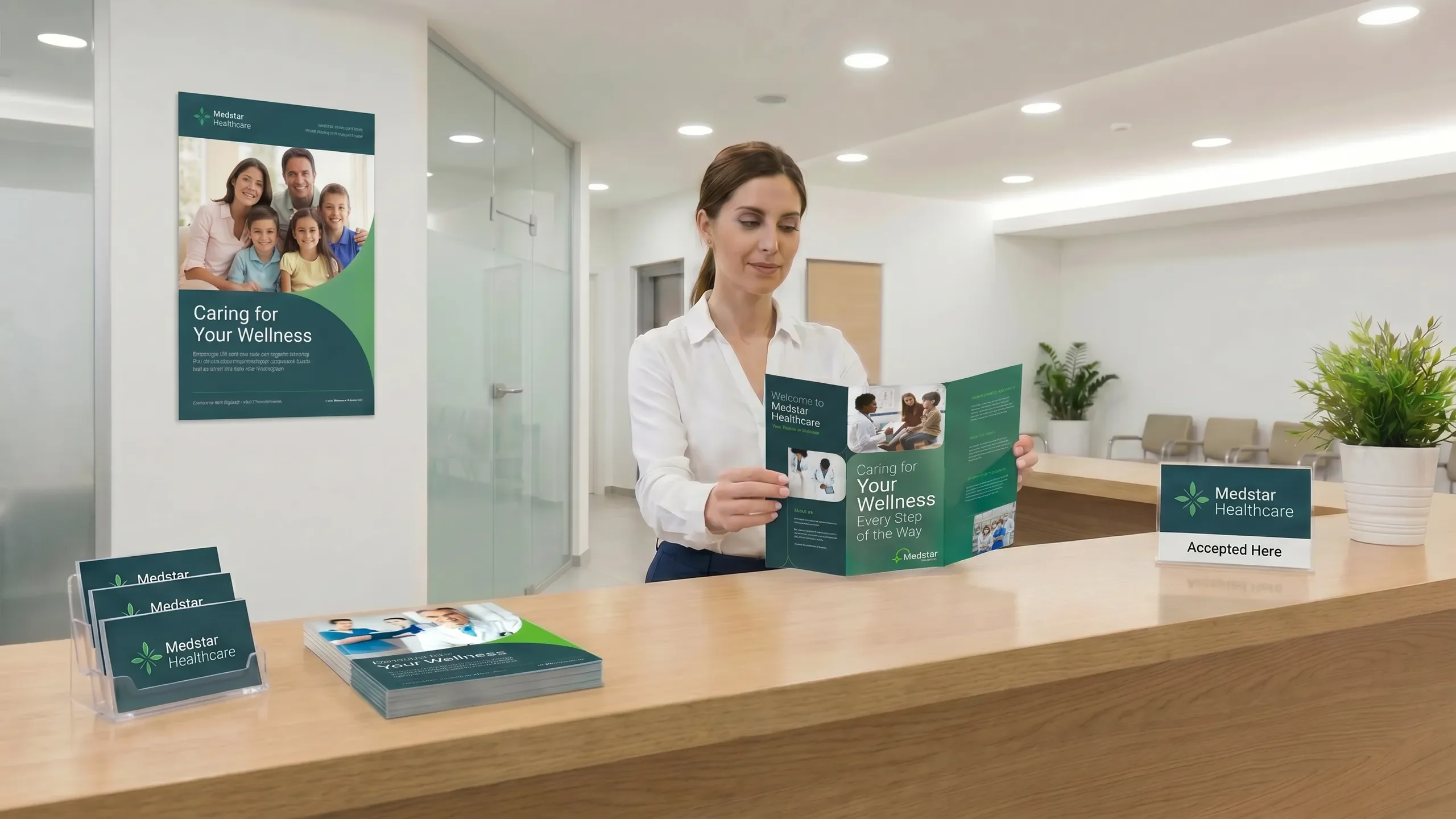
Brochures and signage displayed at a reception desk
Once you understand how print materials are used in hospitals, the next step is to choose which ones patients and visitors will find helpful. Picking the right materials helps you save money by printing only what is needed.
Brochures: Helping Patients Make Informed Choices
- New patients will usually take brochures to learn more about the hospital and staff.
- Brochures can also highlight treatment options and special medical services offered by the clinic.
- Doctors sometimes use brochures to help explain treatments and medical concerns to patients. Patients who may forget the doctors’ explanations can take these home to better understand their diagnosis and treatment plan.
Flyers: For Quick Decisions
- Flyers are great for sharing information, especially about medical missions or seasonal services like flu shots and vaccination drives.
- Clinics also use flyers to let patients and visitors know about new services or important announcements.
- Flyers work best when they use short, clear messages and eye-catching images related to the services.
Medical Posters: Visible Information Throughout the Clinic
- Most clinics and hospitals have bulletin boards for announcements. These boards are also good places to display posters about upcoming medical events that patients and staff can easily see.
- Clinics often use the same designs for both posters and flyers.
- Catchy headlines and clear details help grab attention and encourage people to join in, either as volunteers or participants in medical missions.
Postcards: Reminders That Bring Patients Back
- People are more likely to read short, direct messages than longer ones. Sending postcards with a personal touch can encourage patients to return for follow-ups.
- Many patients appreciate receiving postcards that remind them of their appointments and follow-ups.
- Sending postcards also shows that the medical team is professional and caring.
Rack Cards: Easy Ways for the Community to Learn
- Patients spend an average of 10 to 15 minutes in waiting rooms, meaning they may pick up rack cards at get their attention.
- Some rack cards also serve as business cards for certain doctors and specialists, showing that the clinic can treat specific health issues.
- Patients are more likely to take a rack card if the message fits their needs. Simple, benefit-focused messages work best.
How to Make the Most of a Limited Budget

Healthcare brochures being printed on a production machine
When your budget is tight, focus on signage that patients are likely to notice and use. Rather than printing everything in bulk, choose the most important areas, tailor your messages, and print only what you need.
1. Start with what you already control
Your clinic is your best way to communicate with patients. Each visit gives you a chance to share information without extra costs, and patients already trust the space. Place signs where people spend the most time, like waiting rooms, exam rooms, and check-out desks.
2. Focus on the health services you need to promote
Instead of promoting all your services at once, pick one or two main priorities each month. Focus on services that need more bookings or bring the most value, and match your promotions to what patients need during that season.
3. Print in smaller batches
Printing in smaller batches helps you avoid waste and keeps materials up to date. It also lets your clinic change messages quickly without spending too much on signs you might not use.
Tracking Your Print Material Performance
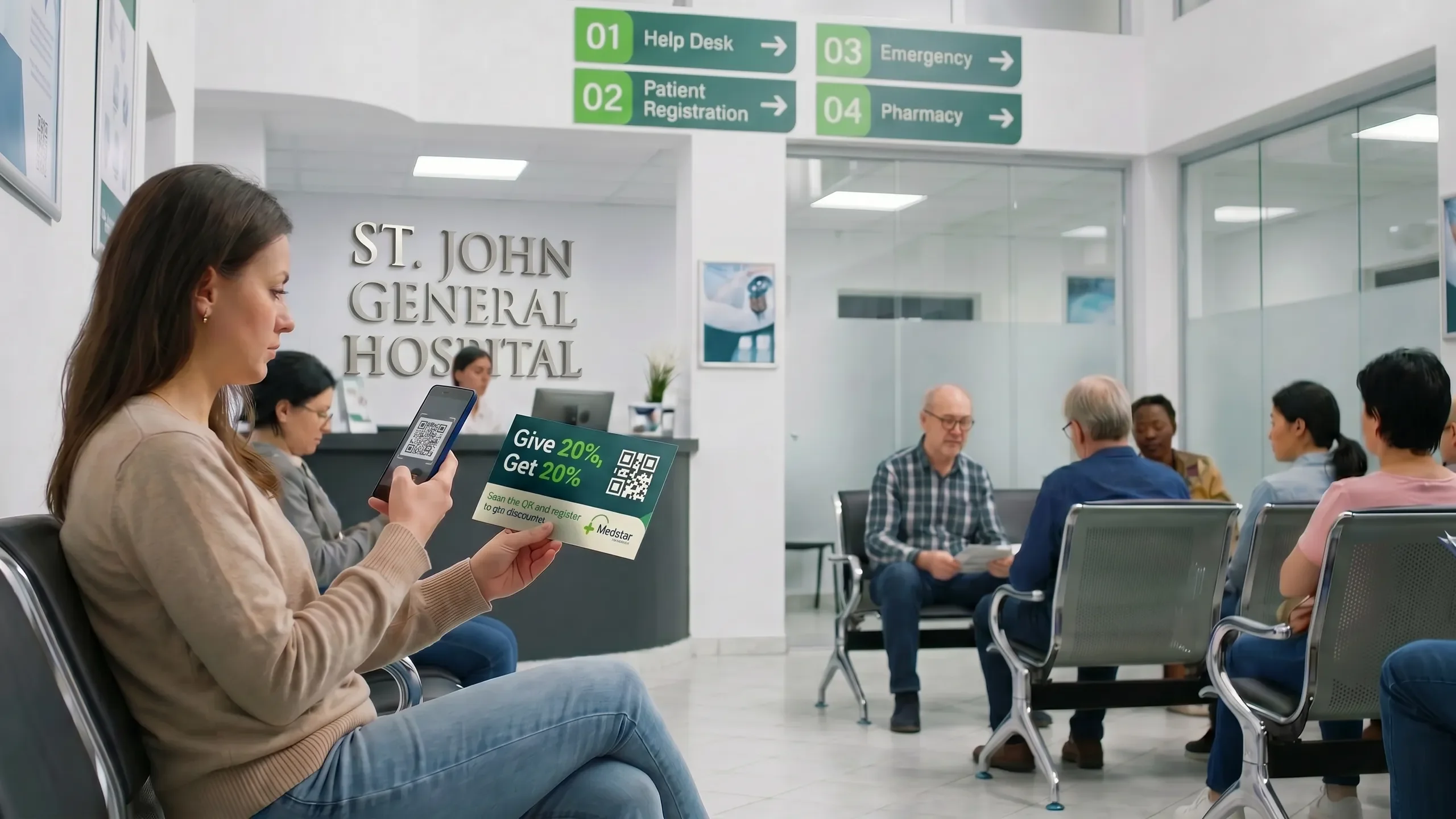
Scanning a healthcare promotional flyer
Even though medical signs and print materials are not mainly for promotions, it is still important to track how well they work. Seeing which signs get noticed can help you spend your budget wisely, especially if you update them each season.
Here are some easy ways clinics can track how well their signs and materials are working:
- QR codes
See how many people scan the code and visit your booking page. - Ask a quick intake question.
“How did you hear about us?”
This question gives you steady feedback over time. - Use offers to track results.
Example: “Bring this flyer for a free consultation.”
Also, watch for these signs of success:
- Increase in inquiries about specific services.
- More follow-up bookings.
- Patients mention materials directly.
Even a small boost in results can make the cost worthwhile, especially if your materials are cost-efficient.
Improving Performance Without Increasing Spend

Doctor discussing information with a patient
After you figure out which materials work best for your clinic, you can make a plan to improve the ones that didn’t work as well. Try focusing on these areas:
- Choose materials that fit each patient’s needs.
- Make sure your messages are clear and easy to understand
- Refresh your materials often so they stay up to date.
- Encourage staff to use these materials when talking with patients.
Here are some examples of how this can work:
- A flyer works better when you put it in exam rooms instead of the lobby.
- A postcard is more helpful if you connect it to a certain time or event.
- Customers trust brochures more when they answer the questions patients ask most often.
In Summary
Affordable medical print materials work best when they match how patients move through your clinic. Choosing the best materials on the get-go, smart placement, and a unified image and design can help patients understand their choices and make better decisions, all without raising costs.
The best course for cost-efficient signage is to focus on pieces that make the patient experience smoother from check-in to follow-up. With careful planning and practical design, you can get the most out of every printed piece by using reliable solutions from UPrinting.