Many medical offices focus on patient retention after the first visit, using reminders, calls, and reactivation campaigns. However, some clinics and hospitals try to encourage follow-ups and repeat consultations while the visitors are in the waiting room.
In hospital waiting rooms and reception areas, patients are present, paying attention, and not in a hurry. How you use this time can affect how well they understand their care, how confident they feel, and if they follow through.
This is important because missed appointments cost the U.S. healthcare system over $150 billion each year. Depending on the specialty, clinic no-show rates often range from 5% to 30%.
Retention is more than just getting patients to return. It is about making it easier for them to keep up with their healthcare from the start. Good print materials can help with this and do not add extra work for your team.
Using Waiting Room Time to Improve Follow-Ups
Patients in the waiting room are usually thinking about what will happen after their first consultation. Prescriptions, medical tests, and follow-up visits are often important, especially after a new diagnosis.
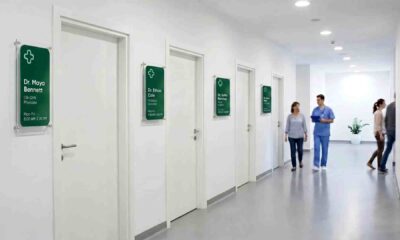
Posting clear signs and posters in the hospital helps patients understand their care and find their way around. This makes it more likely they will follow instructions, continue treatment, and come back for follow-up visits.
When patients know what to expect before their next check-up, their appointments are more focused and outcomes are better. Giving clear, simple information in the waiting area helps them understand the hospital process and prepare for future visits.
Printed materials offer patients several benefits:
- They can absorb information at their own pace.
- They are able to review details after their appointment.
They feel more confident when asking questions.
Print Materials That Support Retention and Workflow
The best hospital waiting room materials are easy for patients to notice, understand, and remember. Placing printed materials in the right spots in the waiting area can encourage patients to return for follow-up care.
1. Posters That Increase Awareness of Ongoing Care Services
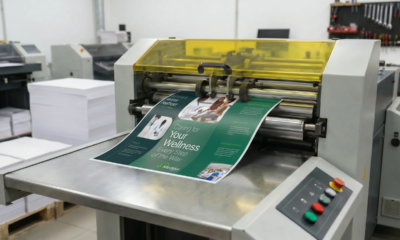
Posters in hospital waiting rooms help patients learn about services they might miss during their appointments. Clear and visible messages can remind them to come back for preventive care, screenings, follow-ups, and wellness programs, even if staff do not mention these directly.
2. Appointment Cards That Encourage Patients to Return
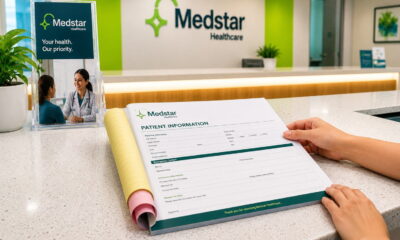
Printed appointment cards remain helpful because patients can easily check important details without having to search through emails or texts. The most helpful appointment cards include the appointment time, any preparation steps, contact details, and reminders for follow-up visits.
3. Educational Booklets That Reinforce Care After Appointments
Patients sometimes forget important instructions after leaving the hospital. Educational booklets offer simple guidance, recovery timelines, treatment explanations, and answers to common questions. These help patients feel more confident about coming back for future check-ups if needed.
4. Reminder Postcards That Support Repeat Patient Visits
Printed postcards help hospitals reach out to patients when it is time for checkups, screenings, or follow-up visits. Because they are physical, postcards are easier to notice, quicker to read, and often more memorable than digital messages or emails.
Integrating Print Production with the Hospital Staff
Hospitals and clinics usually plan and budget for print materials to keep operations smooth and prevent last-minute print jobs that can disrupt staff. If you plan to use posters, brochures, or other promotional tools in your clinic, consider these tips:
Reusable systems
- Use templates for campaigns that happen often, so you don’t have to start from scratch each time.
- Update only the important details when needed, instead of creating new materials every time.
- Check for any medical updates first, then reuse print materials when you can to save money.
Strategic placement
- Place signs and posters where everyone can easily see them.
- Keep rack cards or brochures at the front desk so patients can pick one up before their appointments.
- Put posters with hospital rules in the waiting room to help everyone stay informed.
- Post instructions and patient requirements in exam rooms to remind patients during their visits.
- Place a Next Steps sign or poster near the Outpatient or Check-out areas to guide patients as they leave.
Consistency
- Ensure that printed messages are consistent with what staff tell patients.
- Avoid giving mixed instructions or using medical terms that patients may not understand.
- Use familiar images and themes from your hospital or clinic when creating print materials.
When print materials are part of your daily routine, they help make work easier for everyone.
frequently asked questions
A.
Yes. Printed materials work alongside digital systems by giving patients something they can look at before, during, or after their appointments.
A.
Patient education materials work best when they use simple words, clear pictures, and straightforward instructions that patients can easily understand and use.
A.
Check and update materials at least every three months to keep medical details, seasonal services, contact information, and instructions accurate and up to date.
A.
Hospitals can measure success by looking for fewer missed appointments, better prepared patients, more follow-up visits, and fewer repeated questions from patients.
A.
Using large fonts, clear headings, strong contrast, simple layouts, and short messages helps patients quickly find and understand important information. You should also design your materials to be compliant on several rules and regulations that help medical institutions operate smoothly.
In Summary
Keeping patients coming back often relies on how well they understand their care at every stage of their visit. Well-designed print materials help clinics explain instructions, boost follow-up, and keep in touch between appointments. These tools also make daily operations smoother by reducing confusion and helping patients show up ready for their next steps. Clear, relevant print materials placed in key hospital areas can make a real difference for patients and visitors. By working with UPrinting, clinics can create materials that build patient confidence and help their teams work more efficiently.