Brochures give small businesses plenty of room to inform, impress, and showcase their brand. The right size, fold, and layout can turn a simple handout into something customers keep, share, or come back to. Here are 14 brochure design ideas from various industries to help you create marketing materials that people will remember and want to share.
1. Restaurants and Cafes
A restaurant brochure should make food look irresistible. Use high-quality photos with short, descriptive captions for each dish. A standard 8.5" x 11" Z-fold works well here; it gives you enough panels to separate starters, mains, and specials without overwhelming the reader.
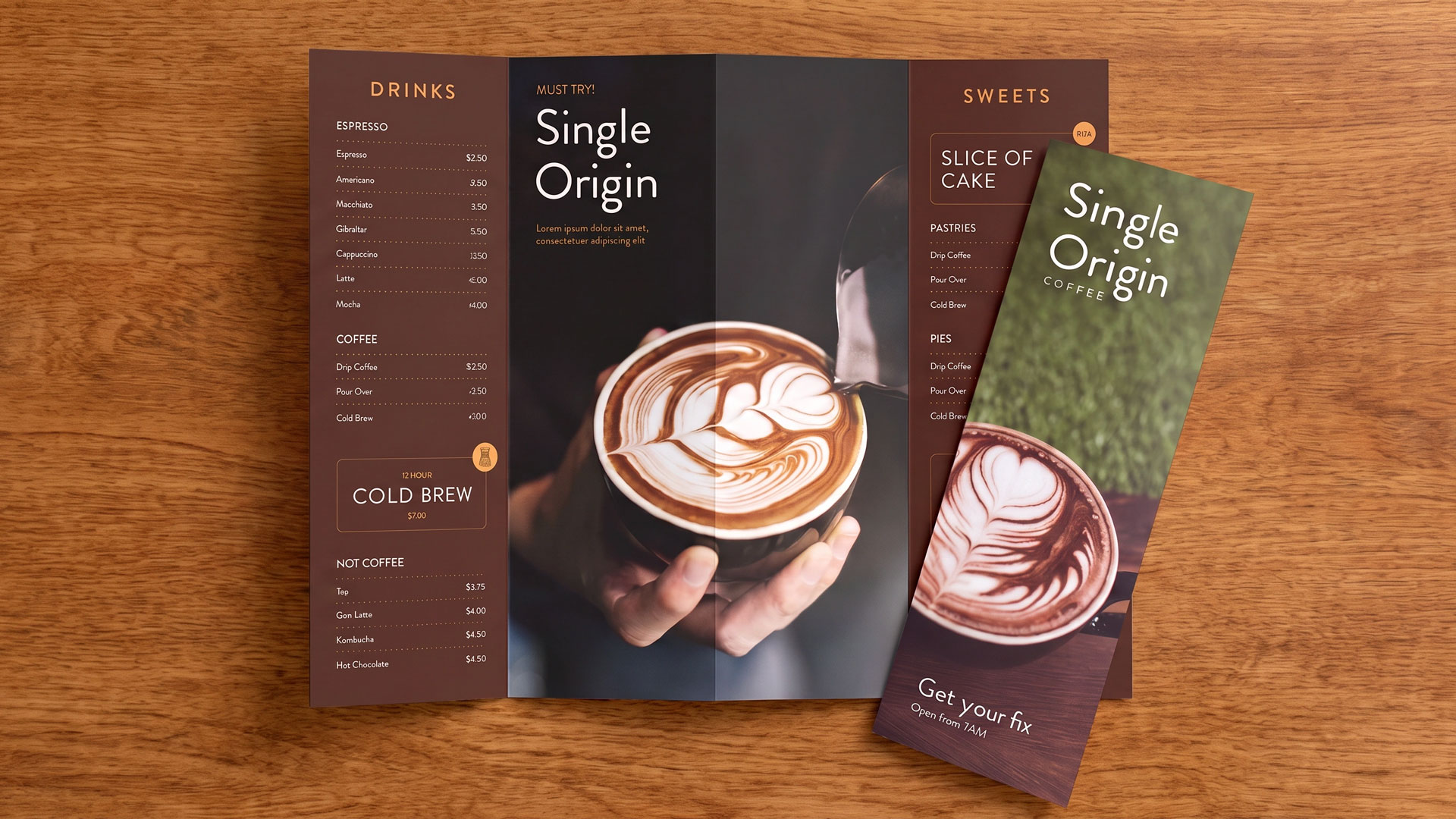
Recommended Brochure Size and Folds: Brochure Size: 8.5” x 11” | Fold: Z-Fold
You can also borrow design elements from your restaurant menu to use as a brochure design, allowing customers to basically keep a mini menu for their homes. For a more premium feel, try a slightly larger gatefold design. When opened, it reveals your full menu in one impressive spread.
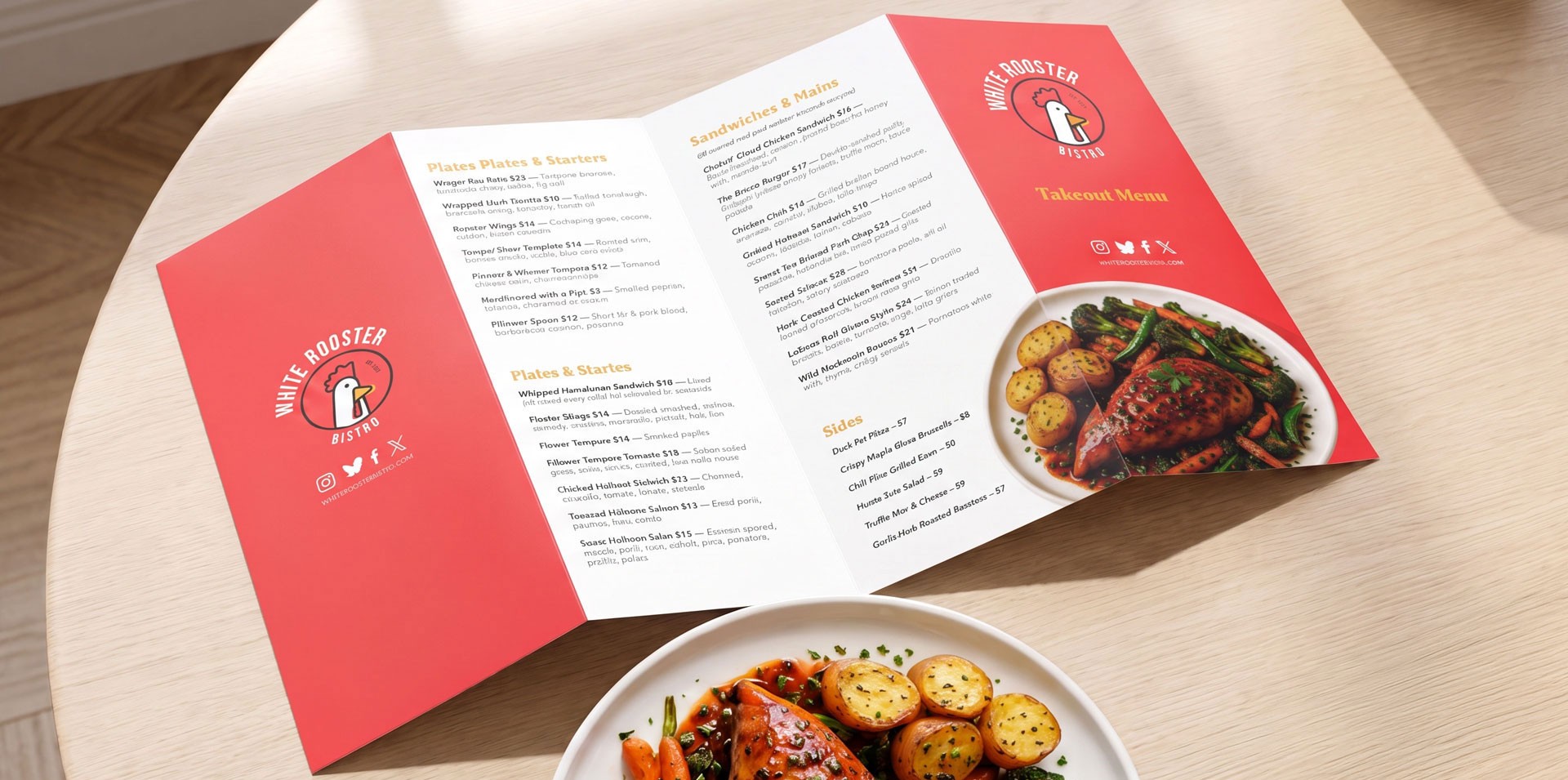
Recommended Brochure Size and Folds: Brochure Size: 8.5” x 14” | Fold: Gate Fold
2. Real Estate
Homebuyers want details, and they want them to be organized. A standard trifold brochure lets you pair attractive property photos with key specs (square footage, features, neighborhood highlights) in a format that's easy to carry and easy to read.
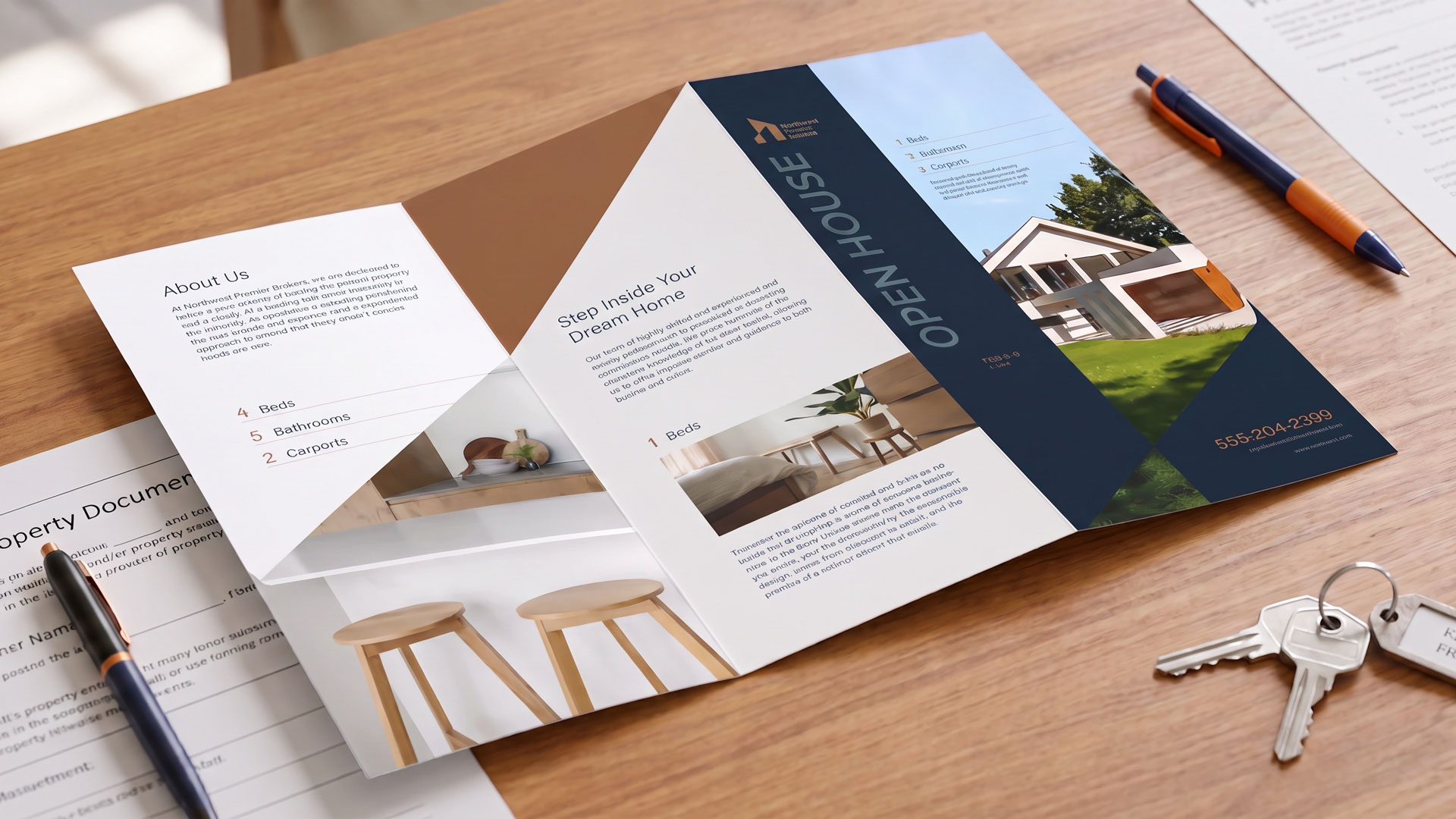
Recommended Brochure Size and Folds: Brochure Size: 8.5” x 11” | Fold: Trifold
For higher-end listings, a larger brochure gives you room for additional photography and full property descriptions. When buyers have everything they need in hand, they're more likely to follow up.
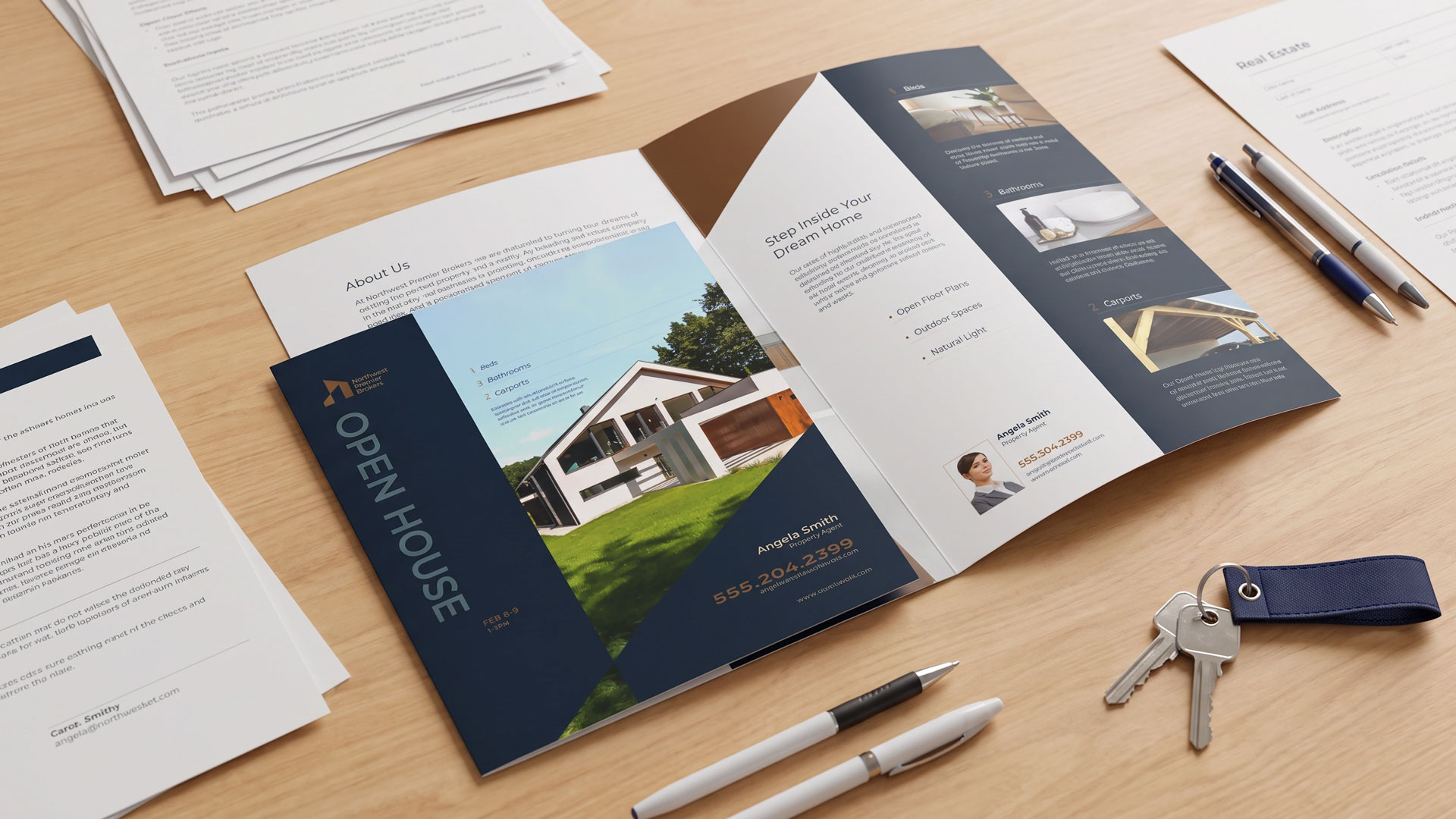
Recommended Brochure Size and Folds: Brochure Size: 8.5” x 14” | Fold: Half Fold
3. Healthcare and Personal Wellness
Not every medical brochure needs to sell something. The most effective ones focus purely on health awareness, using plain language, clear diagrams, and bold visuals to make complex topics accessible. A well-made patient brochure on disease prevention or wellness habits builds trust before a brand ever has to.
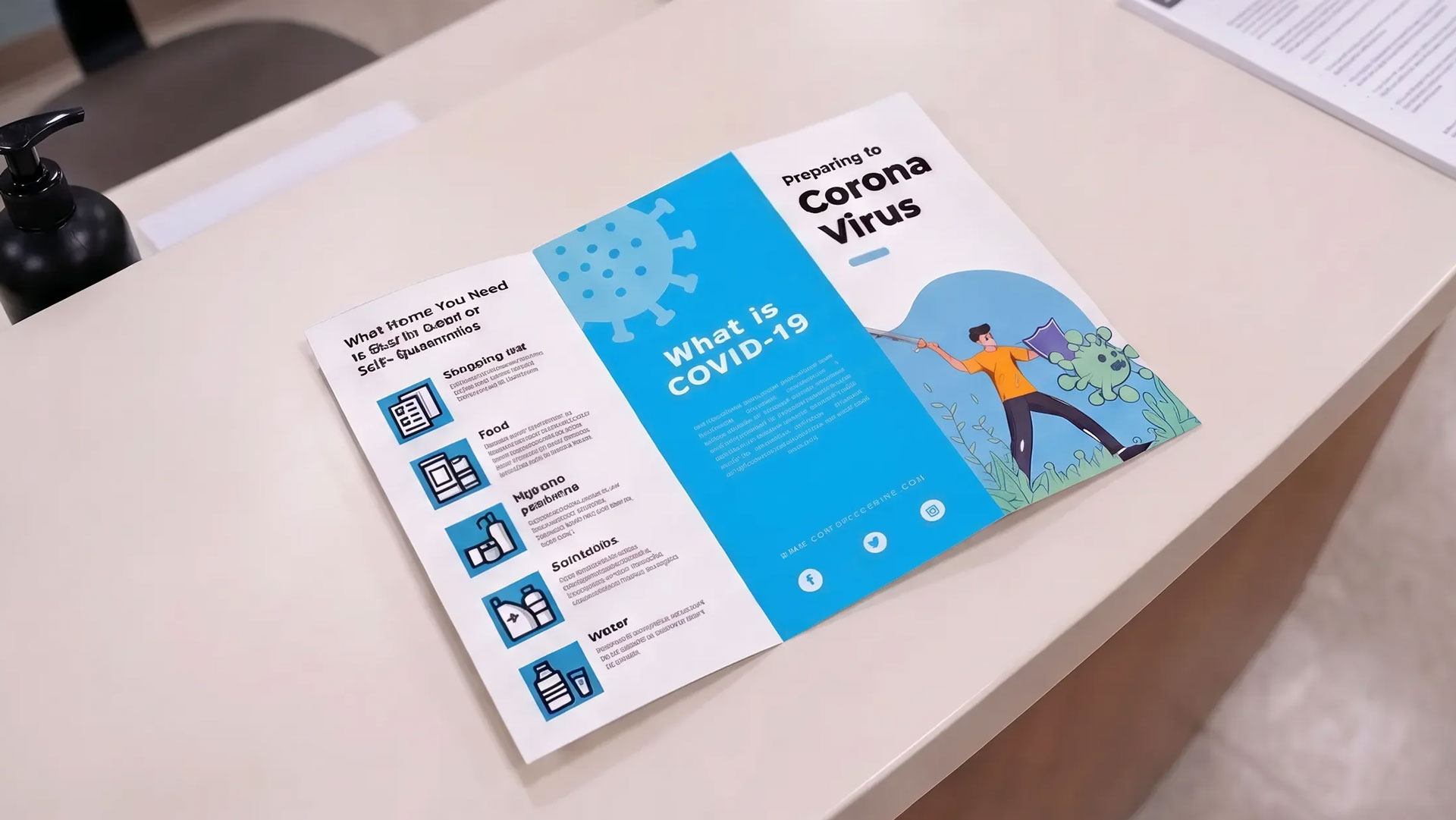
Recommended Brochure Size and Folds: Brochure Size: 8” x 11” | Fold: Trifold
If you are promoting a clinic or hospital, lead with warmth. Use messaging that reflects empathy and professionalism and let your logo and brand colors support the content rather than dominate it. A larger trifold layout gives you enough space to cover services, contact details, and patient resources without crowding any single panel.
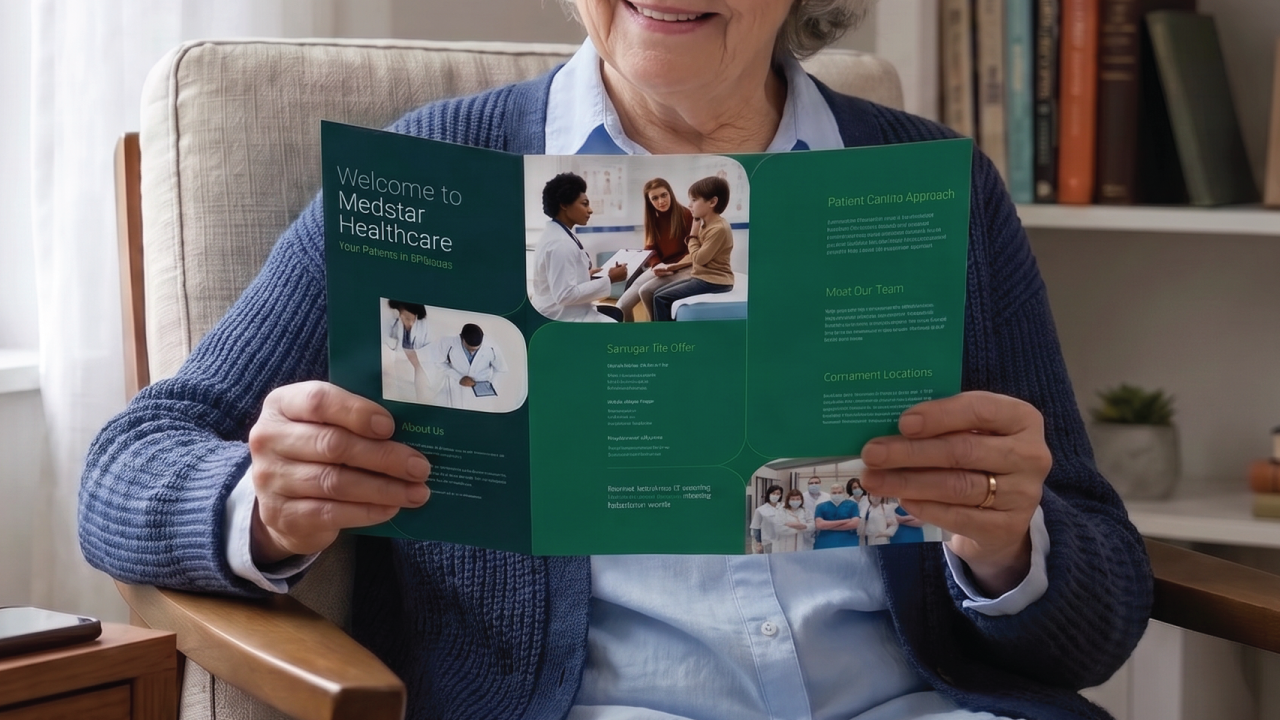
Recommended Brochure Size and Folds: Brochure Size: 8.5” x 11” | Fold: Trifold
4. Travel
Travel agencies and hotels often use eye-catching images and special deals to draw in travelers. Try adding these elements to your Z-fold brochures to give customers an engaging way to discover your accommodations.
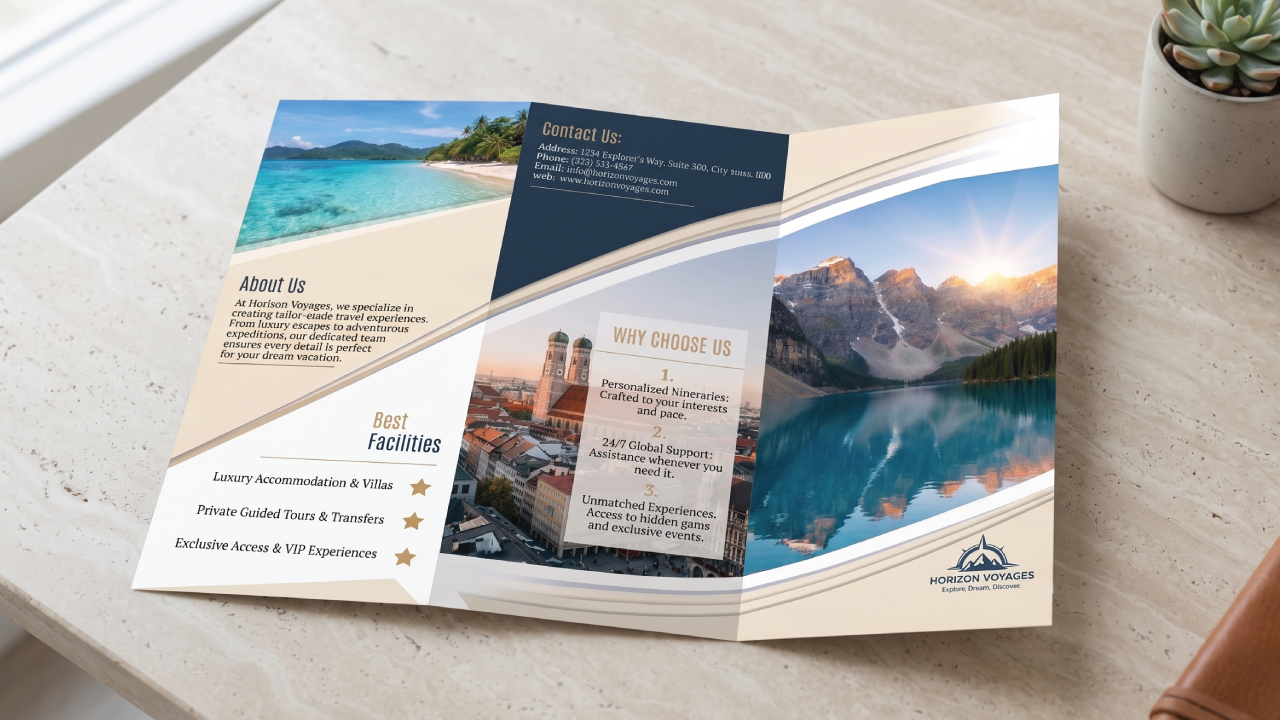
Recommended Brochure Size and Folds: Brochure Size: 8.5” x 14” | Fold: Z-Fold
Destination guides take a different approach. Focus on useful details: local highlights, travel tips, what to expect on arrival. Keep the design open and inviting, so the brochure feels like the start of a good trip, not a checklist.
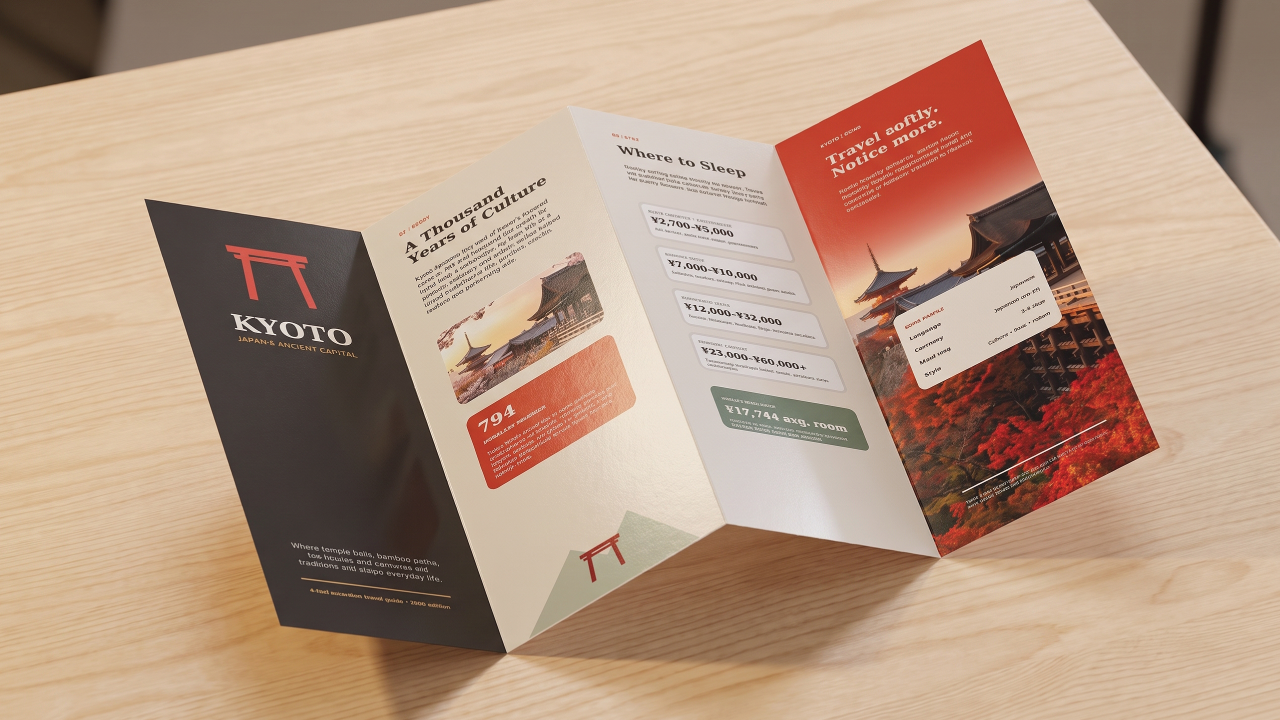
Recommended Brochure Size and Folds: Brochure Size: 11” x 17” | Fold: Accordion, 4 folds
5. Home Services
Most brochures for home services share clear, simple information so customers can easily find what they need. A standard trifold brochure is a good choice, especially if you want to organize your services into clear service packages.
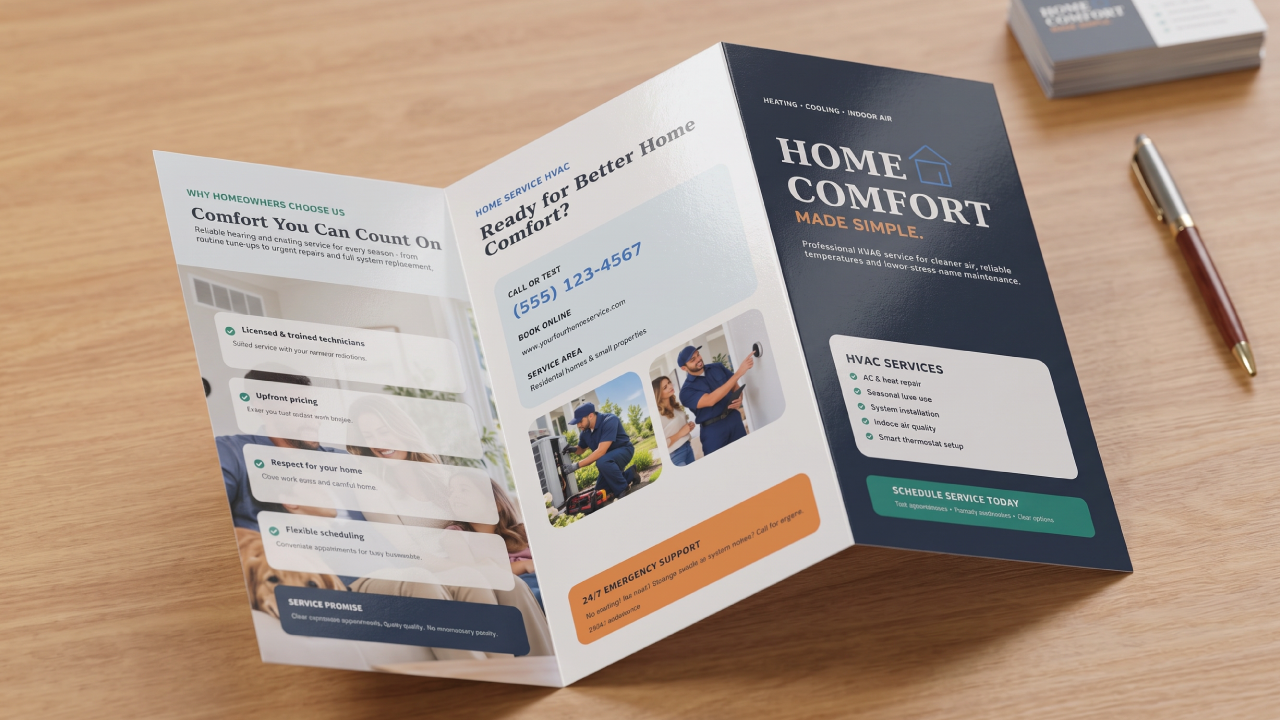
Recommended Brochure Size and Folds: Brochure Size: 8.5” x 14” | Fold: Trifold
Trust matters in this industry. Include your company background, years of experience, and a few customer testimonials. Customers choosing between landscapers, HVAC companies, or cleaning services are more likely to call the one that already feels familiar and credible.
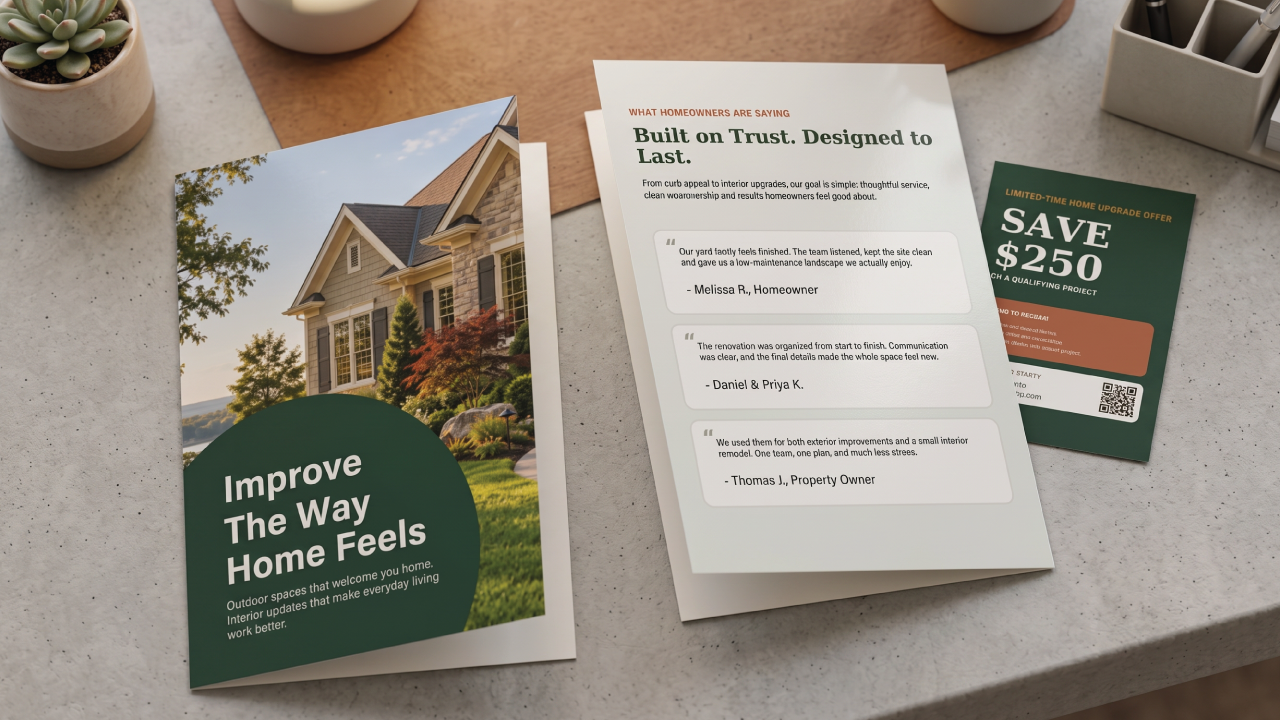
Recommended Brochure Size and Folds: Brochure Size: 8” x 11” | Fold: Half Fold
6. Non-Profit Organizations
Nonprofit brochures need to communicate a cause quickly and clearly. Bold headlines, strong imagery, and a concise mission statement help readers understand who you are and why it matters, often before they've made it past the cover.
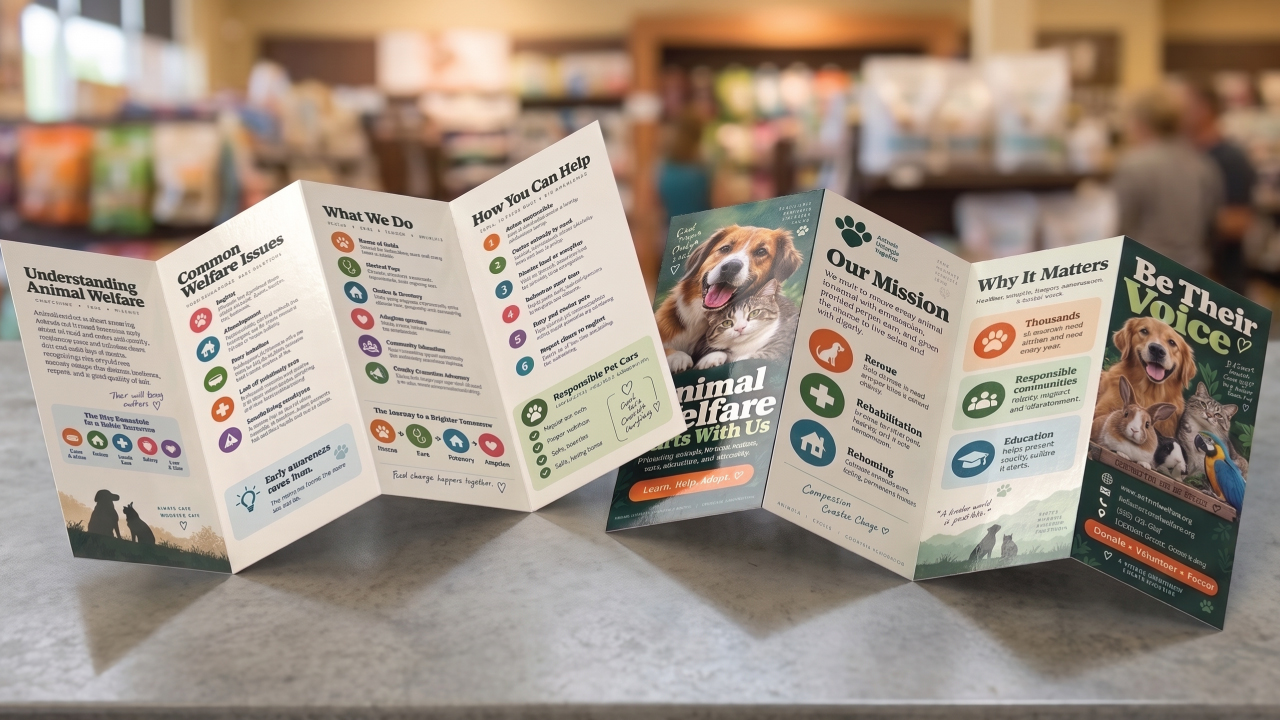
Recommended Brochure Size and Folds: Brochure Size: 8.5” x 14” | Fold: Accordion, 4 folds
Brochures also serve an internal purpose. Nonprofit groups often give brochures to their volunteers so they can learn about the organization’s mission and understand current goals. A clear, well-designed brochure helps volunteers by giving them important information they can bring along during outreach.
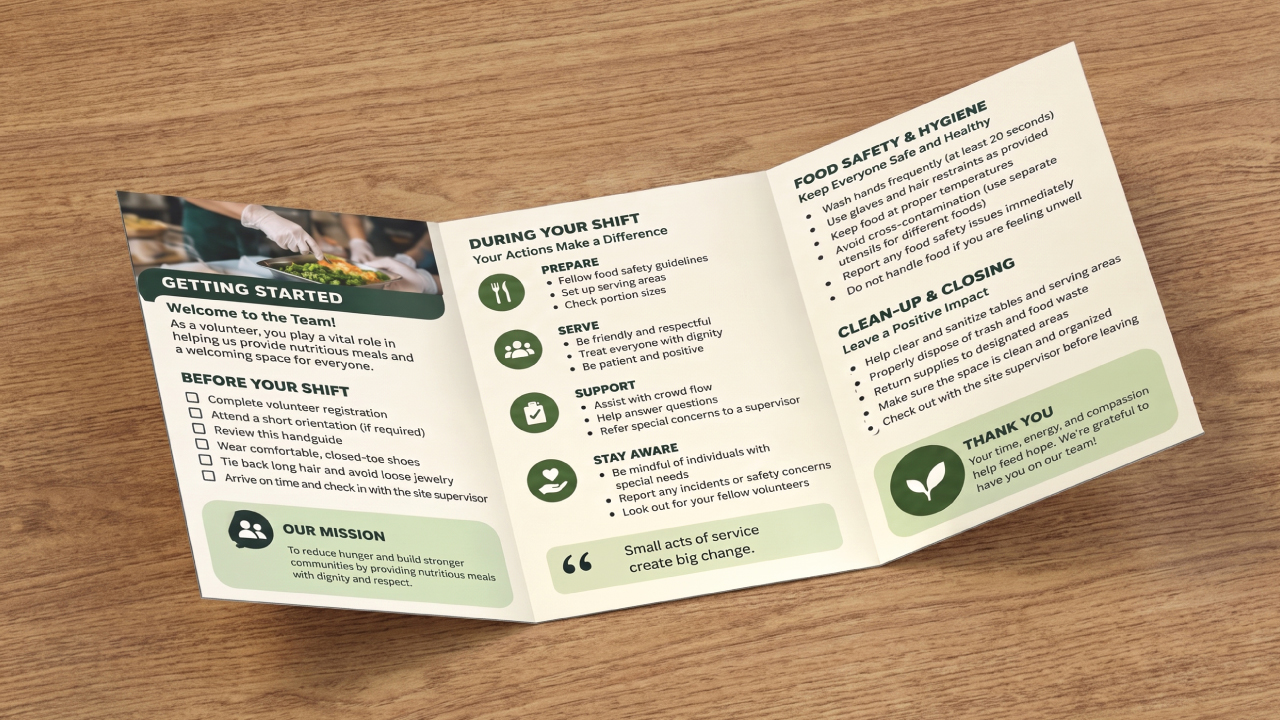
Recommended Brochure Size and Folds: Brochure Size: 8.5” x 11” | Fold: Trifold
7. Retail
Retail brochures are a natural fit for seasonal promotions and sales events. Design yours to match the occasion — a holiday palette, a summer theme, a back-to-school feel — and use the three panels of a trifold to separate promotional details, featured deals, and product highlights.
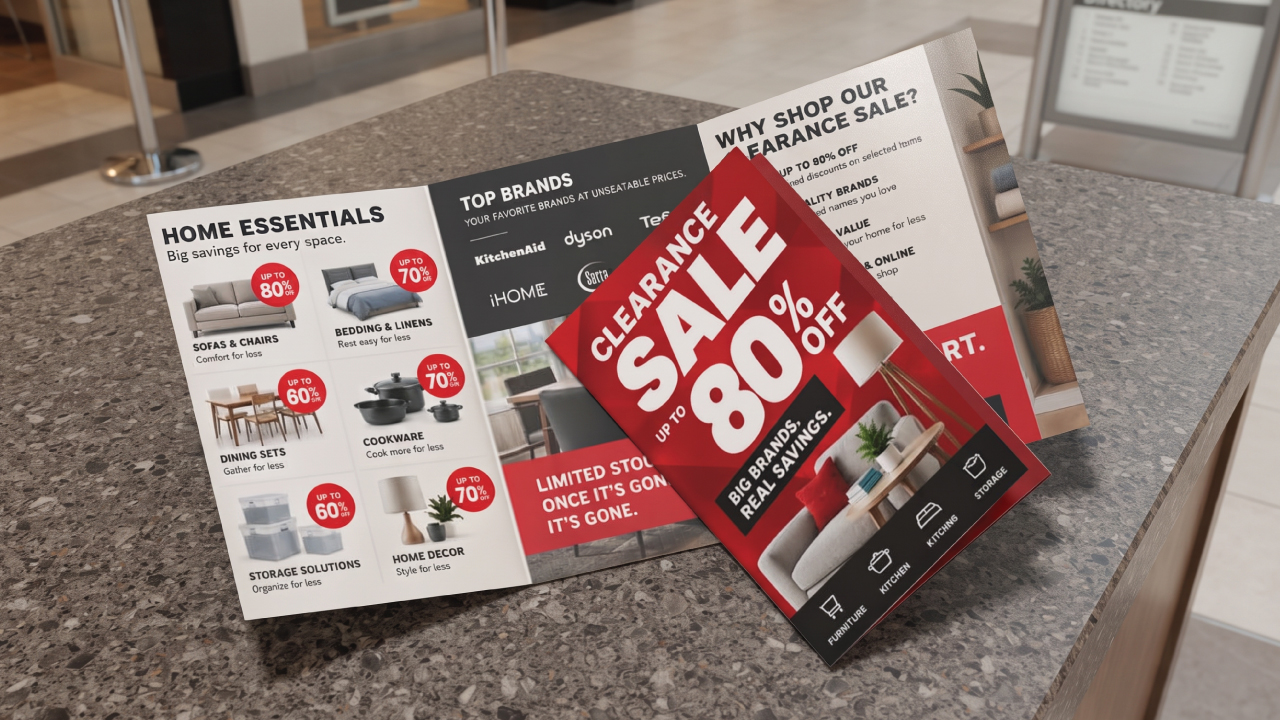
Recommended Brochure Size and Folds: Brochure Size: 8.5” x 14” | Fold: Trifold.
Outside of sale periods, brochures can work as product catalogs. Rather than pushing sales or discounts, design your brochure to highlight your current products. Create a catalog of your best items, with a good balance of design and details, so customers can keep it and refer to it when they are ready to buy something.
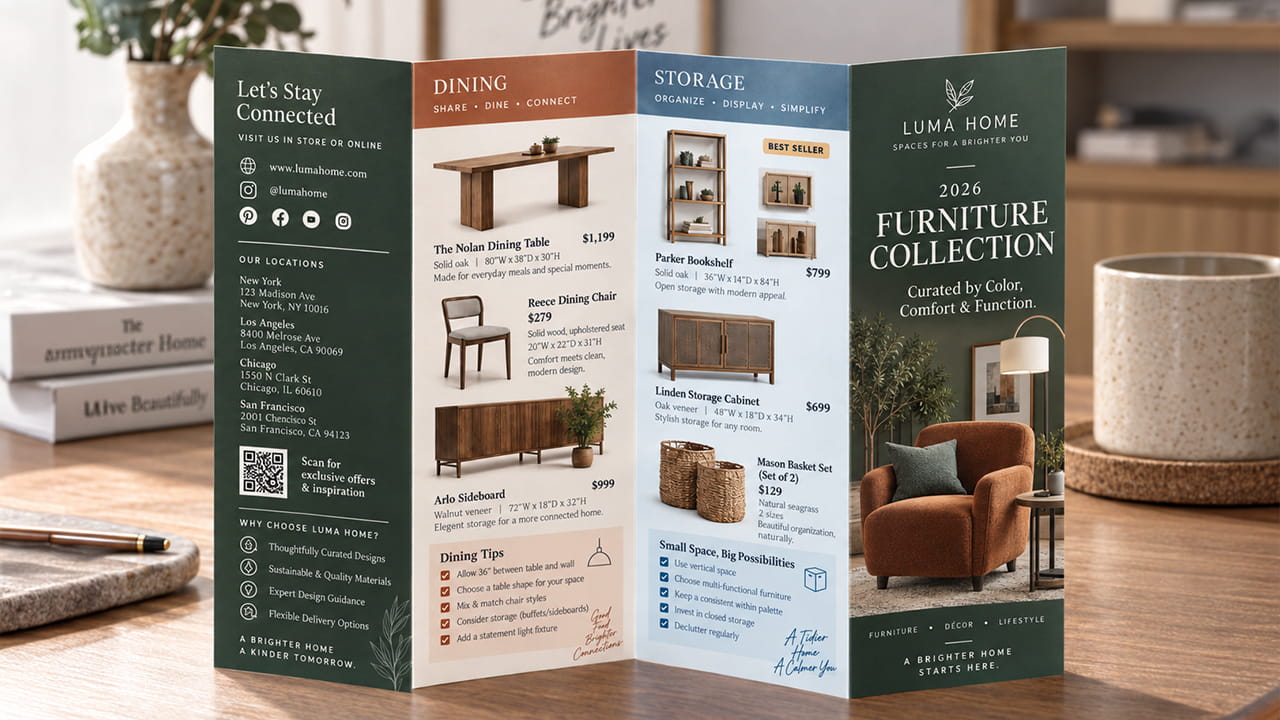
Recommended Brochure Size and Folds: Brochure Size: 11” x 17” | Fold: Accordion, 4 folds
Best Practices for Creating Brochure Designs
A good brochure helps people quickly find, understand, and use the information they need. Eye-catching visuals draw attention, and a clear layout points readers to the most important details. Every headline, image, and section should support your industry and your main goal.
Keep these principles in mind as you design:
The Audience
Identify your main audience and what information matters most to them. This helps you decide what to highlight. Staying focused keeps your brochure clear and avoids mixing in unrelated messages.
Try to answer these questions when creating a brochure:
- Who will receive it? Think about the customers, visitors, potential clients, or event guests you want to reach.
- What should they learn? Share information that supports your brochure’s main purpose.
- What should they do next? Decide what action you want readers to take after reading your brochure.
The Design Fundamentals
Once you know your brochure’s purpose, focus on how each design element works together to share information and support your message.
- Cover: Lead with clear headlines and a relevant image to introduce your brochure. Keep extra details inside so the cover stays focused and encourages readers to keep going.
- Content Flow: Organize information in a logical order with headings, short paragraphs, and bullet points. Group related details together and avoid putting important text or headlines across fold lines.
- Visuals: Choose clear, high-resolution photos, illustrations, icons, or diagrams that support your message. Keep a consistent visual style and leave enough white space so images and text don’t compete for attention.
- Branding: Apply your colors, fonts, and logo consistently across every panel. Consistent branding makes your brochure immediately recognizable as yours.
Brochure Folds Supporting Your Content
The way you fold your brochure can affect how people see the information and how much they notice at once. Choose a fold that fits your content.
- Trifold: This fold splits the brochure into three panels. It’s great for organizing services, product categories, steps, benefits, or any information that needs clear sections.
- Gatefold: The two outer panels open up to show a larger center section. This style is good for highlighting a main image, an announcement, a product, or a central message.
- Z-fold: The panels fold in opposite directions, creating a continuous flow. This format works well for timelines, step-by-step guides, menus, service lists, or any information that should be read in order.
- Accordion: Several alternating folds create panels that open up for more detailed information. Accordion brochures are great for longer sequences, multiple categories, maps, schedules, or any content that needs extra space.
Brochure Sizes to Consider
The size of your brochure affects how much space you have for text and images. The size also helps with your folds and presentation.
- 8.5" x 11": This standard size works for most promotional brochures and gives you enough space for clear service, product, company, or event details.
- 8.5" x 14": The extra length gives you more space for product details, service descriptions, larger visuals, or extra sections without crowding each panel.
- 11" x 17": This larger size is ideal for brochures with more content, bigger photos, detailed comparisons, charts, maps, or several product and service categories.
Your Call to Action
Choose an action that fits your brochure's purpose. A service brochure might ask for a quote request; an event brochure might invite online registration. Whatever the action, make it visible and give readers everything they need to follow through: a phone number, website, or QR code.
Putting It All Together
You have plenty of options when it comes to creating a brochure for your business. Even classic sizes and folds can stand out if you add your own style and creativity. In the end, the design and layout are yours to decide. Aim to make a brochure that people want to pick up, look through, and keep. Start with a design that is both helpful and memorable for your brand. And when you are ready to bring your artwork to life, UPrinting offers the right materials and quality printing for your brochures.