Custom boxes do a lot of work. They help showcase your brand, protect items during transit, and enhance the unboxing experience. But the price can swing a lot depending on how you build them. Here's what actually moves the cost, so you can plan your order with fewer surprises.
What factors affect the cost of custom boxes?
Before requesting for a quote, it helps to know which choices drive the cost. Eight factors do most of the work, and a few of them are easy to adjust without changing how the box looks or performs.
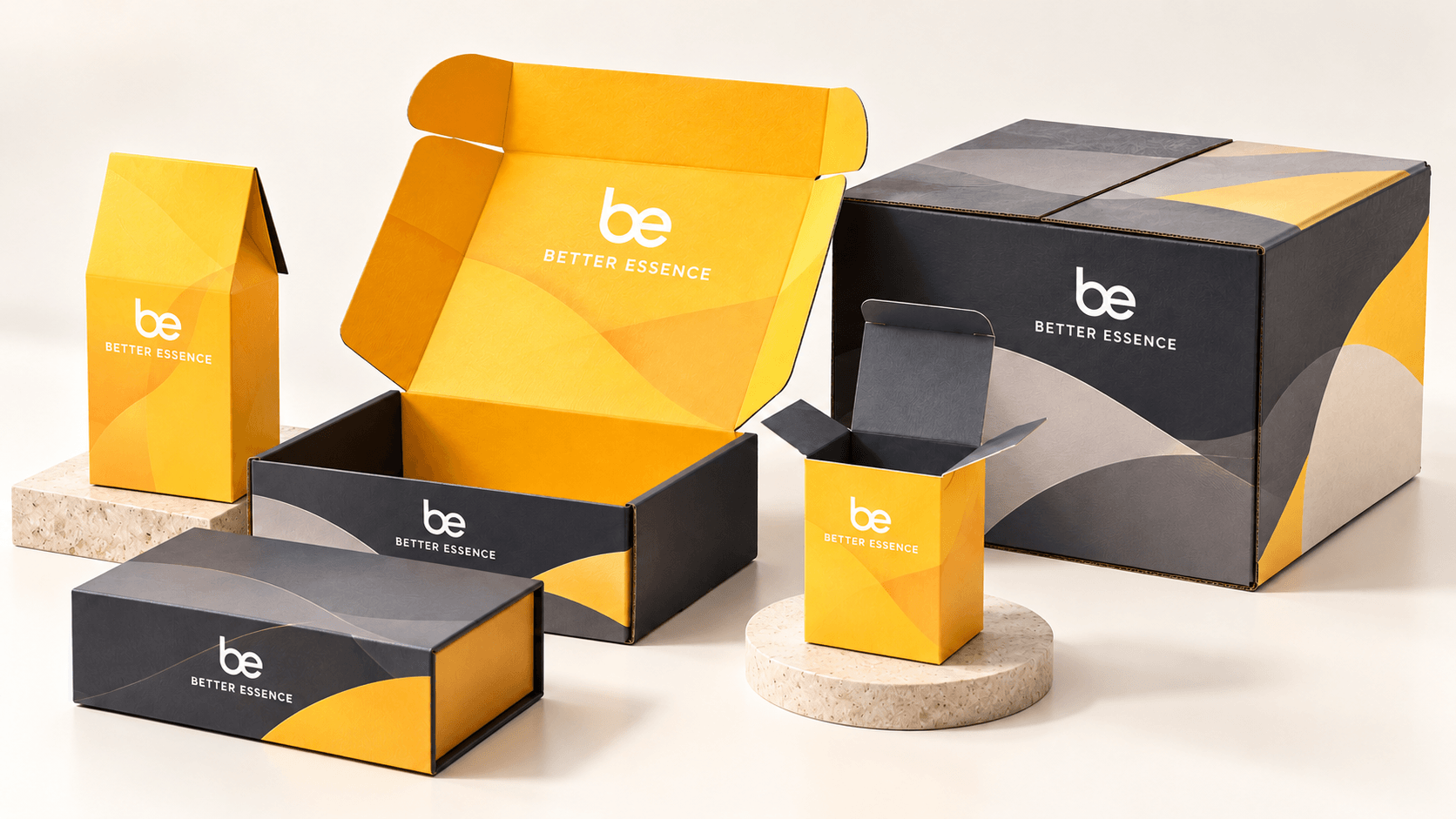
Custom boxes for different purposes
1. Box Dimensions
The size of your box directly affects the amount of material required. Larger boxes generally cost more to produce and ship. Choosing dimensions that closely fit your product can help reduce waste, lower shipping expenses, and improve packaging efficiency.
2. Packaging Material and Thickness
Materials range from economical paperboard and kraft stock to heavy-duty corrugated cardboard and premium rigid board. While thicker and stronger materials typically cost more, they offer greater durability and product protection.
3. Order Quantity
Order volume is one of the biggest drivers of cost. For example, ordering 1,000 boxes will usually result in a lower per-unit cost than purchasing 100 boxes. In general, the more packaging supplies you order, the lower the cost per unit.
4. Printing Requirements
Printing costs vary based on the complexity of your design. Factors that can increase pricing include:
- Full-color printing vs. one-color logo
- Interior printing
- Full-coverage graphics
- Custom color matching
A simple one-color logo is typically less expensive than a full-color design printed inside and outside the box.
5. Custom Finishes
Premium finishes can enhance your packaging's appearance and lead to a more memorable unboxing experience but may increase costs. Popular upgrades include:
- Gloss or matte coating
- Spot UV
- Foil stamping
- Embossing
- Debossing
- Soft-touch coating
6. Inserts, Dividers, and Extra Components
Custom inserts, partitions, and protective packaging add functionality and improve presentation. While they increase the overall cost, they can help prevent damage and enhance customer experience.
7. Shipping and Turnaround Time
Rush production and expedited shipping often come with additional fees. By contrast, standard production schedules are typically more cost-effective, especially for larger orders.
8. Box Type
The box style you choose can significantly affect pricing. Basic folding cartons and tuck-top boxes are generally more affordable, while mailer boxes, rigid boxes, and magnetic closure boxes typically cost more because they require additional materials and manufacturing steps.
Tip: If you're looking to lower costs, focus on four key factors you can control: box size, material, order quantity, and finishing options. Small adjustments in these areas can make a noticeable difference in your overall budget.
How Different Box Types Affect Pricing
Custom box pricing varies by box style, materials, and production requirements. For instance, basic folding cartons are typically among the most affordable options, while corrugated mailers, subscription boxes, and rigid boxes generally cost more due to their enhanced durability.
Understanding different box types can help you choose packaging that fits your product and budget.
| Box Type | Typical Cost Range | Cost Considerations | Common Uses |
|---|---|---|---|
| Folding cartons | Lowest cost | One of the most affordable options. Typically made from lightweight paperboard and ideal for simple retail packaging. | Cosmetics, food products, pharmaceuticals, and consumer goods |
| Product boxes | Moderate cost | Pricing varies based on size, material, and printing requirements. | Retail merchandise, electronics, cosmetics, and consumer products |
| Shipping boxes | Moderate to higher cost | Corrugated materials and reinforced construction increase costs but provide greater protection during transit. | E-commerce shipments and product distribution |
| Mailer boxes | Moderate to higher cost | Self-locking design and custom branding features can increase pricing compared to standard boxes. | Subscription boxes, online retail, and promotional kits |
| Corrugated boxes | Moderate to higher cost | Pricing depends on board grade, flute type, and material thickness. | Heavy, bulky, or fragile products |
| Subscription boxes | High cost | They often include premium printing, inserts, and enhanced branding elements that increase costs. | Subscription services and curated product kits |
| Retail display packaging | Higher cost | Complex structures, specialty finishes, and custom designs can raise production costs. | Point-of-purchase displays and retail promotions |
| Rigid boxes | Premium cost | Among the most expensive options due to premium materials and labor-intensive manufacturing. | Luxury products, gift packaging, and high-end electronics |
Custom Boxes vs. Stock Boxes: Which Offer Better Value?
Custom boxes generally require a higher initial investment, but they can deliver greater long-term value. Custom packaging offers these benefits:
- Strengthen brand recognition
- Improve product presentation
- Create a more memorable unboxing experience
- Reduce excess packaging materials
- Help your products stand out from competitors
Ultimately, investing in custom boxes can improve how customers perceive your products, strengthen brand recognition, and help your business stand out.
How to Save Money on Custom Boxes
Custom packaging doesn't have to stretch your budget. With the right choices, you can keep costs under control while still creating high-quality packaging that reflects your brand.
Choose the right box size. Use packaging that fits your product as closely as possible. Smaller, properly sized boxes require fewer materials and can help reduce shipping costs.
Select cost-effective materials. Choose materials that protect your product without paying for features you don't need.
Order in larger quantities. If you anticipate ongoing demand, placing larger orders can lower your per-box cost and improve overall value.
Use specialty finishes strategically. Premium upgrades such as foil stamping, embossing, or specialty coatings can enhance your packaging, but incorporating them into the design strategically can help you achieve a professional look while staying within budget.
Plan Ahead. Ordering early gives you more production and shipping options, helping you avoid costly rush fees and expedited delivery charges.
Frequently Asked Questions About Dieline Templates
A.
Costs vary based on size, materials, printing, and order quantity. Larger orders typically have a lower per-box cost.
A.
Folding cartons and standard paperboard boxes are usually the most cost-effective options.
A.
Yes. Custom printing and branding features generally increase the cost.
A.
Order quantities should align with your budget, storage space, and expected demand. Larger orders often provide better pricing.
A.
Yes. Custom packaging can strengthen your brand, improve product presentation, and create a better customer experience.
Choosing the Right Custom Boxes for Your Business and Budget
Custom box pricing depends on factors such as materials, box style, printing, order quantity, and finishing options. Understanding these cost drivers can help you choose packaging that fits your products, supports your brand, and stays within budget.
Ready to create custom packaging that makes an impact? Explore UPrinting's custom boxes available in various sizes, styles, and printing options tailored to your needs. Get an instant quote today and design custom packaging that showcases your brand while staying within budget.