First impressions sell homes. Are you ready to make yours unforgettable? Open houses remain a cornerstone of real estate marketing, offering prospective buyers a chance to experience properties firsthand. However, the difference between a forgettable walkthrough and a successful event often boils down to preparation. This ultimate open house checklist will ensure your next event is both seamless and impactful.

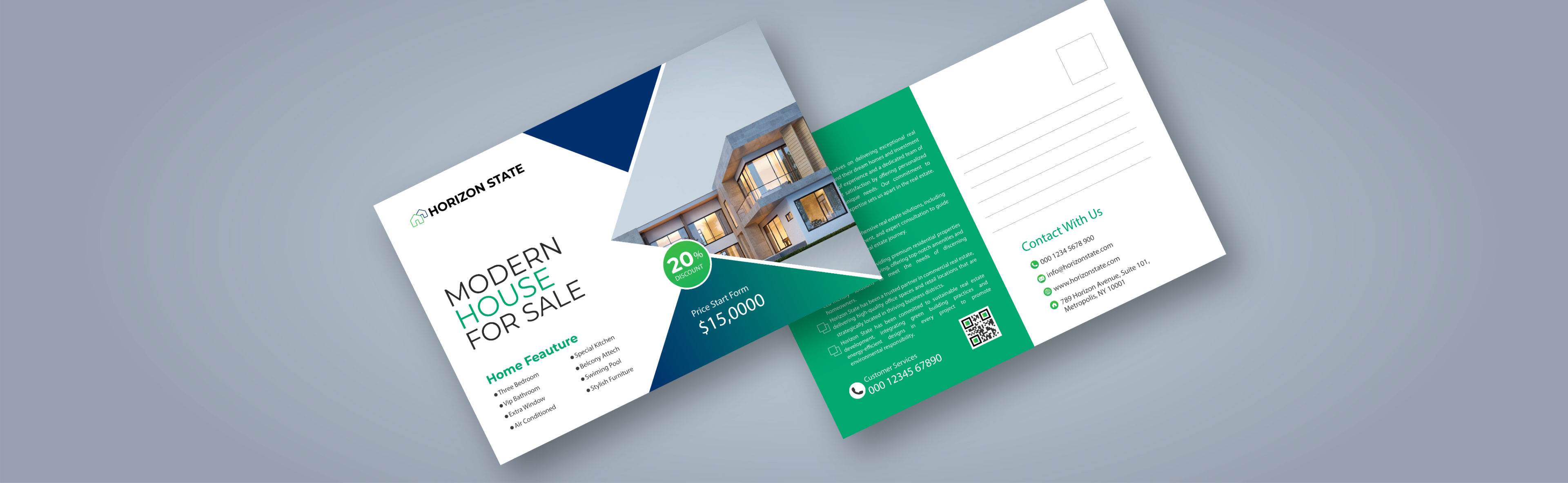
Modern house for sale brochure with green and white design and luxury home image.
A successful open house begins long before the doors open. Ensure you have the right materials and setup for a polished presentation.
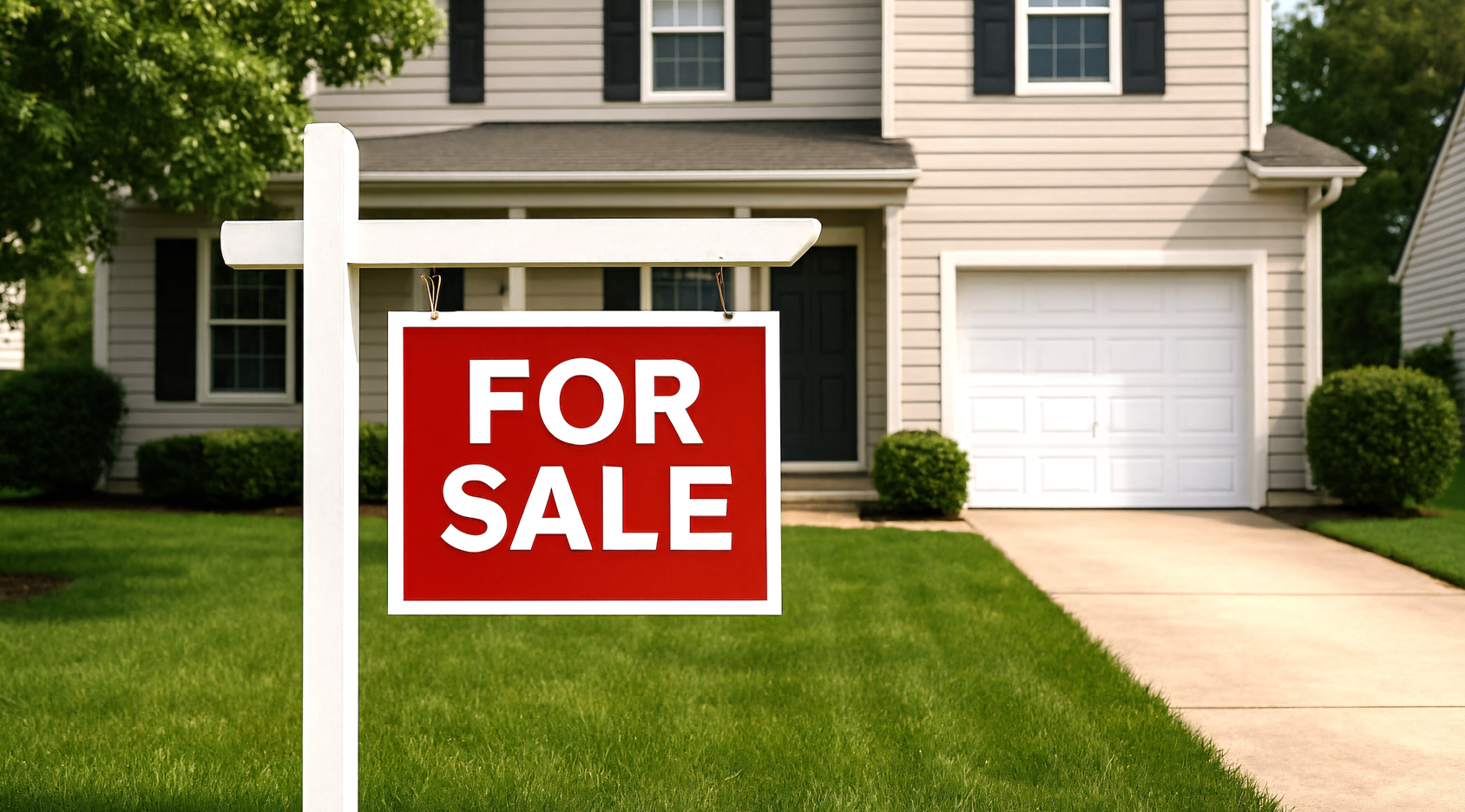
Modern house front entrance with wooden door and red “For Sale” real estate sign.
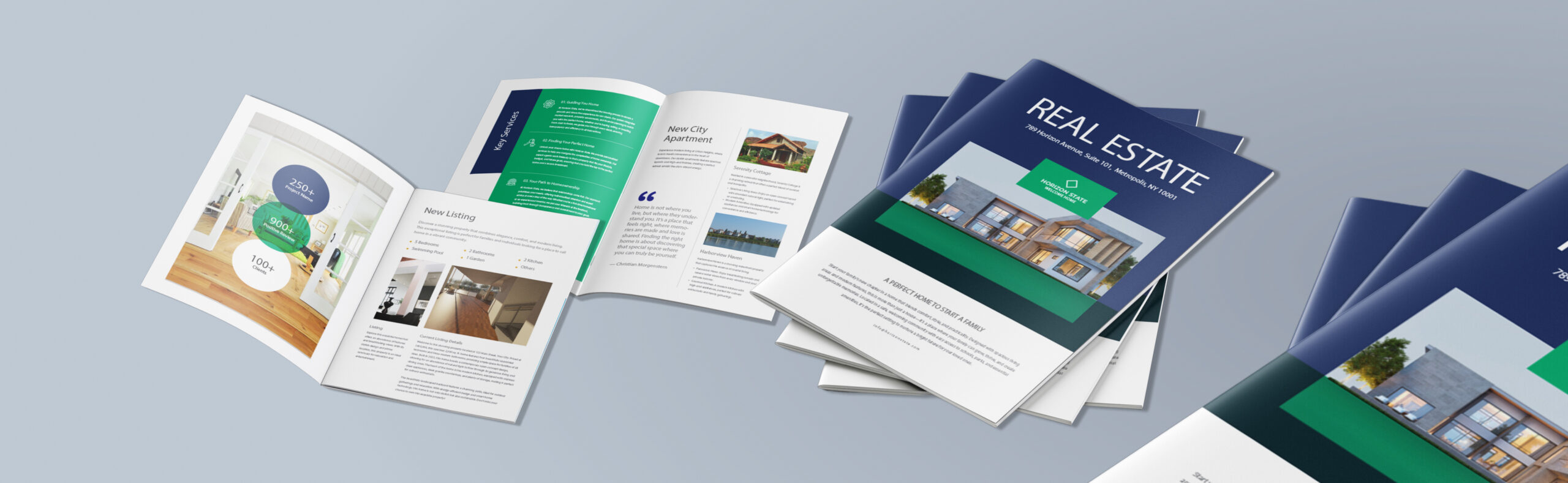
Real estate brochure mockup with modern property listings and blue-green layout design.

Modern luxury house exterior.
Downloadable Open House Checklist
Planning an open house doesn’t have to be overwhelming. To streamline your efforts, download our free PDF checklist today and ensure no detail is overlooked.
Download Your Open House Checklist and Plan the Perfect Event!
A well-planned open house can make all the difference in showcasing a property’s potential. By following this ultimate checklist, real estate agents can ensure their events are both professional and memorable. Remember, the key to success lies in preparation, engagement, and effective follow-up—turning open house visitors into future clients.
Successful open houses require a strong marketing plan. Posting the event on the MLS, major real estate websites, and social media can boost visibility. Using email marketing, local advertisements, and personal invitations to neighbors or past leads can also drive attendance.
Weekend afternoons, particularly Sundays, tend to attract the most visitors. The best timing also depends on the local market, competition, and weather conditions. Hosting an open house at a unique time—such as a twilight showing on a weekday—may work well in certain neighborhoods.
For serious buyers, providing immediate information about the property, financing options, and next steps is crucial. If they are unrepresented, agents must follow local regulations regarding representation disclosure. If they are working with an agent, they should be encouraged to coordinate an offer with their representative.
Safety precautions include having another agent or assistant present, keeping valuables and personal belongings secure, and requiring visitors to sign in before entering. Agents should also be aware of exit points and avoid being alone in isolated areas of the home.
If attendance is low, analyzing the marketing approach, timing, and competition is key. Expanding promotional efforts, using social media ads, or scheduling another open house at a different time can help increase exposure.
Common mistakes include poor marketing, lack of preparation, and failing to engage visitors. Some agents treat open houses as passive events rather than active lead-generation opportunities. Not following up with attendees is another major missed opportunity.