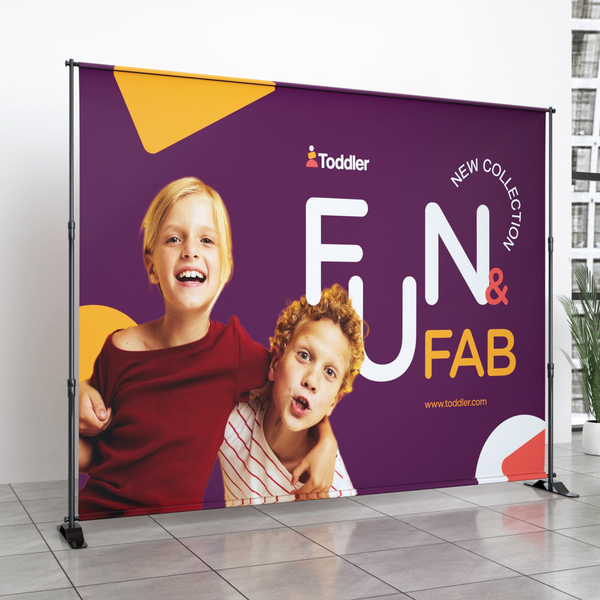
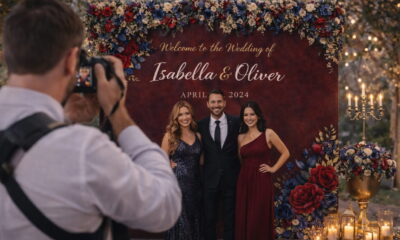
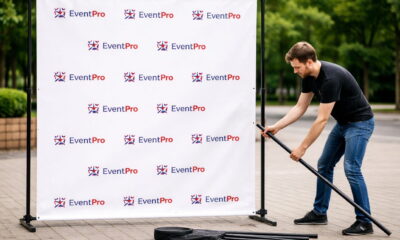
Step-and-repeat banners and backdrops might look alike and often serve the same purpose. Still, knowing the differences can help you boost your branding or set the right mood for your event or party. If you want your logo to stand out and get more media attention, a step-and-repeat banner is often the best option. For a more decorative or immersive look, a backdrop gives you more design choices. This guide will show you the differences between the two print designs, when to use each one, and how to pick the right display for your event or business.
A Quick Guide: Step-and-Repeat Banners vs. Backdrops
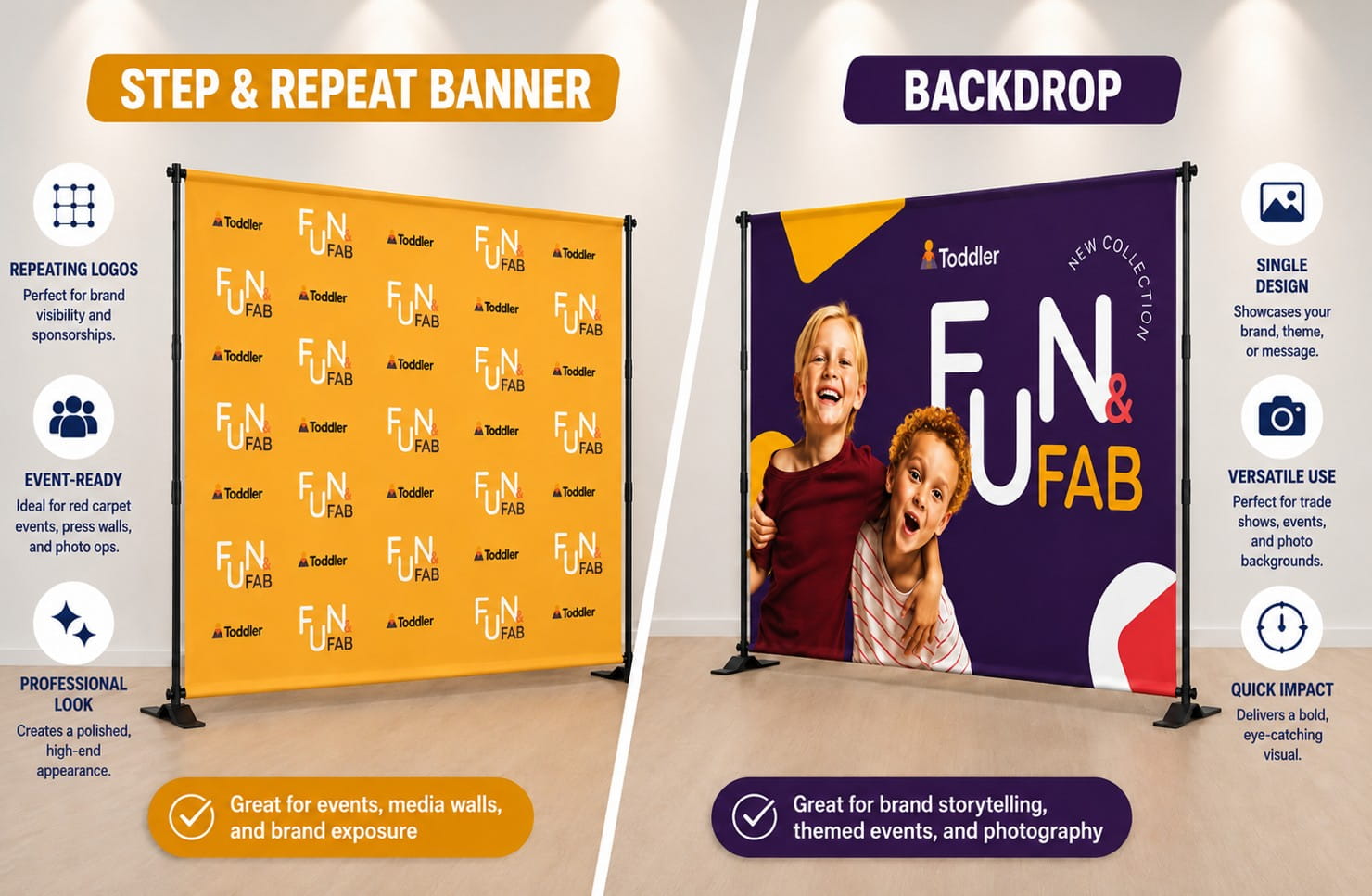
Infographic comparing banners and backdrops.
A step-and-repeat banner is mostly used for branding and photography. It shows repeating logos or sponsor graphics, so brands stay visible in every photo.
A backdrop is a general display that creates visual impact. It can show large promotional graphics, scenic images, event themes, or branded designs.
A key point of difference between the two is their goals.
- Step-and-repeat banners are mainly about brand repetition.
- Backdrops are made to create a strong visual impression.
For photo moments and social sharing, a step-and-repeat banner turns guests into brand ambassadors. For full immersion — where your brand, theme, or atmosphere greets people at the door — a backdrop is the stronger choice.
Here’s a quick side-by-side comparison to help you see the difference more clearly:
| Feature | Step-and-repeat banner | Backdrop |
|---|---|---|
| Main purpose | Designed to maximize brand visibility across all event photographs consistently. | Created to enhance visual impact and provide decorative event appeal. |
| Design style | Features repeating logos or patterns arranged in a structured layout. | Showcases fully customizable graphics tailored to event themes. |
| Best for | Ideal for media walls, sponsor events, and red-carpet appearances. | Perfect for trade shows, stages, photo booths, and retail displays |
| Photo focus | Keeps branding visible at all times, which adds strong photographic value. | Focuses more on aesthetics, offering a balanced photographic look. |
| Branding visibility | Makes sure branding shows up in almost every photo. | How visible the branding depends on the graphic design used. |
| Creativity | Follows a set pattern for a structured design that focuses on branding. | Gives you more artistic freedom with lots of options to customize visuals. |
| Graphics | Usually features logos, sponsor names, and repeated brand elements. | Often shows scenes, products, artwork, and custom brand messages. |
| Audience experience | Sets up a professional photo spot for guests and media. | Creates an engaging visual space that helps guests feel more involved in the event. |
What are the Advantages of Step-and-Repeat Banners?
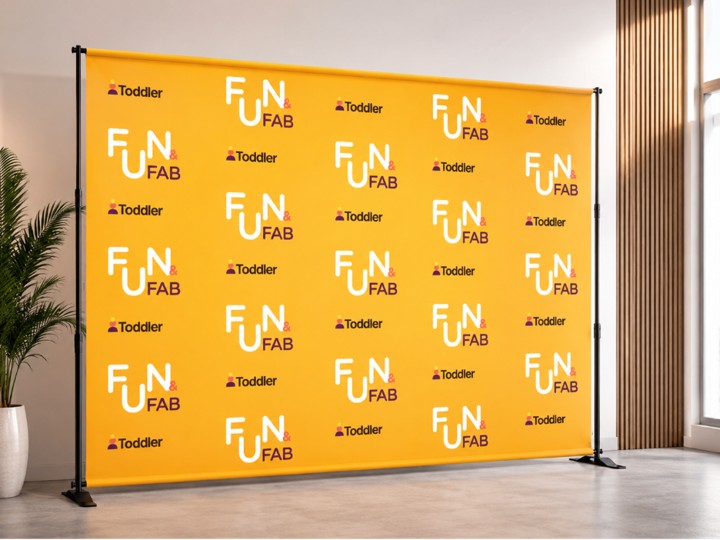
Step-and-repeat banner with repeating logos.
Step-and-repeat banners help businesses keep their brand visible at every event. With logos, sponsor names, and brand elements repeated across the display, any company’s branding will show up in every photo, interview, and social media post. This not only looks professional but also makes the most of event photos and media coverage.
Step-and-repeat banners are also designed for the long run, serving as both a promotional tool and an event design. These banners continue to work for the brand even after the event is over. Each guest photo, press image, or online share increases the sponsored business's visibility and reaches more people without incurring extra advertising costs. Given how easy it is to design, set up, and maintain step-and-repeat banners, any brand can reuse them for future events and gatherings.
How to Design a Step & Repeat Banner
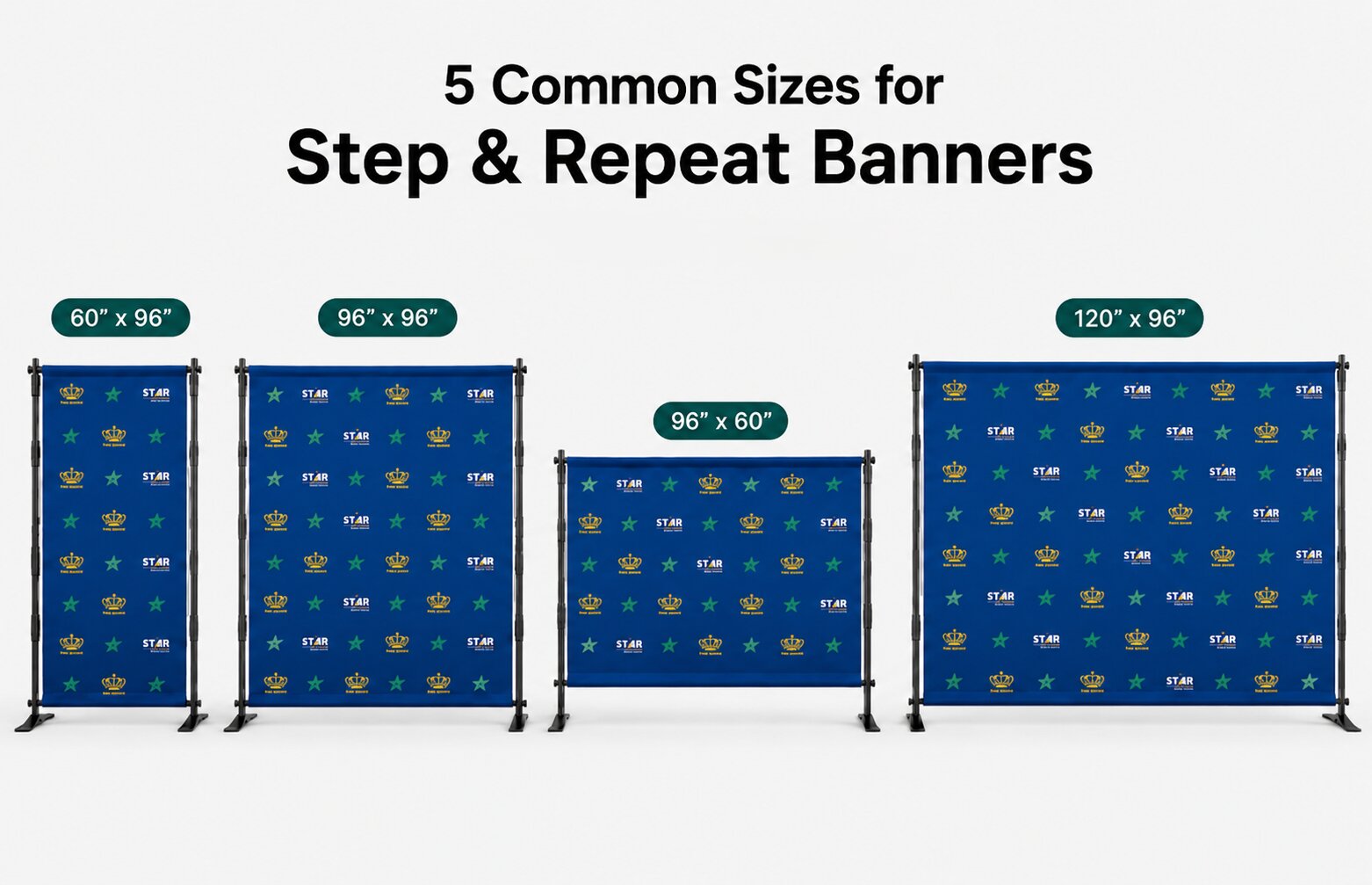
Step-and-repeat banner sizes
A well-designed step-and-repeat banner looks balanced and professional, and it is easy to photograph. Here are some tips when designing your banner patterns for the next event.
1. Choose Your Size
The best banner size depends on your venue, your photography needs, and how many people you expect in each photo.
Common step & repeat banner sizes include:
- 120″ x 96″ – Large events and stage setups (fits 4–6 people)
- 96″ x 96″ – Standard photo ops (fits 2–4 people)
- 60″ x 96″ – Small spaces and solo shots (fits 1–2 people)
- 96″ x 60″ – Seated interviews and indoor locations (fits 2–3 people seated)
2. Keep Logos Readable
Make sure your logos are easy to see, even in photos taken with a phone. If people must zoom in to recognize your brand, the logos are too small.
3. Use High-Resolution Artwork
Low-quality graphics are easy to spot on large banners. Whenever you can, use vector files like AI, EPS, or PDF for sharp, clear results.
4. Maintain Consistent Spacing
A clean layout looks much better in photos than a crowded one. Keeping the spacing even makes your banner look polished and professional.
5. Stick With Simple Backgrounds
White, black, or neutral backgrounds work best. They keep the focus on the people in the photo and help your logos stand out.
6. Prioritize Contrast
Using dark logos on light backgrounds, or the other way around, makes your banner easier to read in person and in photos.
7. Always Factor in Photography
Keep in mind that flash, lighting, and camera angles all change how your banner looks in photos. Matte finishes and wrinkle-resistant materials usually work better under bright lights.
How do Brands Maximize Backdrops?
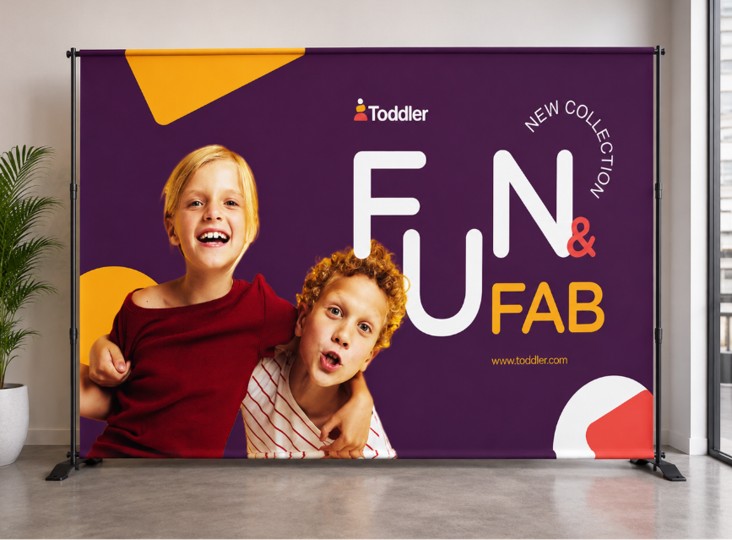
Large backdrop banner showcasing single design.
Businesses use backdrops at social gatherings and formal events to create memorable visual experiences. Unlike step-and-repeat banners, backdrops give brands full creative control. They can highlight product images, event themes, marketing messages, custom artwork, or immersive graphics. For trade shows, stage presentations, product launches, or retail activations, a well-designed backdrop can turn a plain space into an engaging environment that draws attention and strengthens brand identity.
Brands get the most out of backdrops by using bold visuals, clear messages, and designs that invite people to interact and take photos. When attendees snap pictures, visit branded areas, or check out displays, the backdrop becomes part of their experience. This helps businesses boost brand recognition, leave a lasting impression, and extend the impact of their events beyond the venue.
Designing a Backdrop for Events
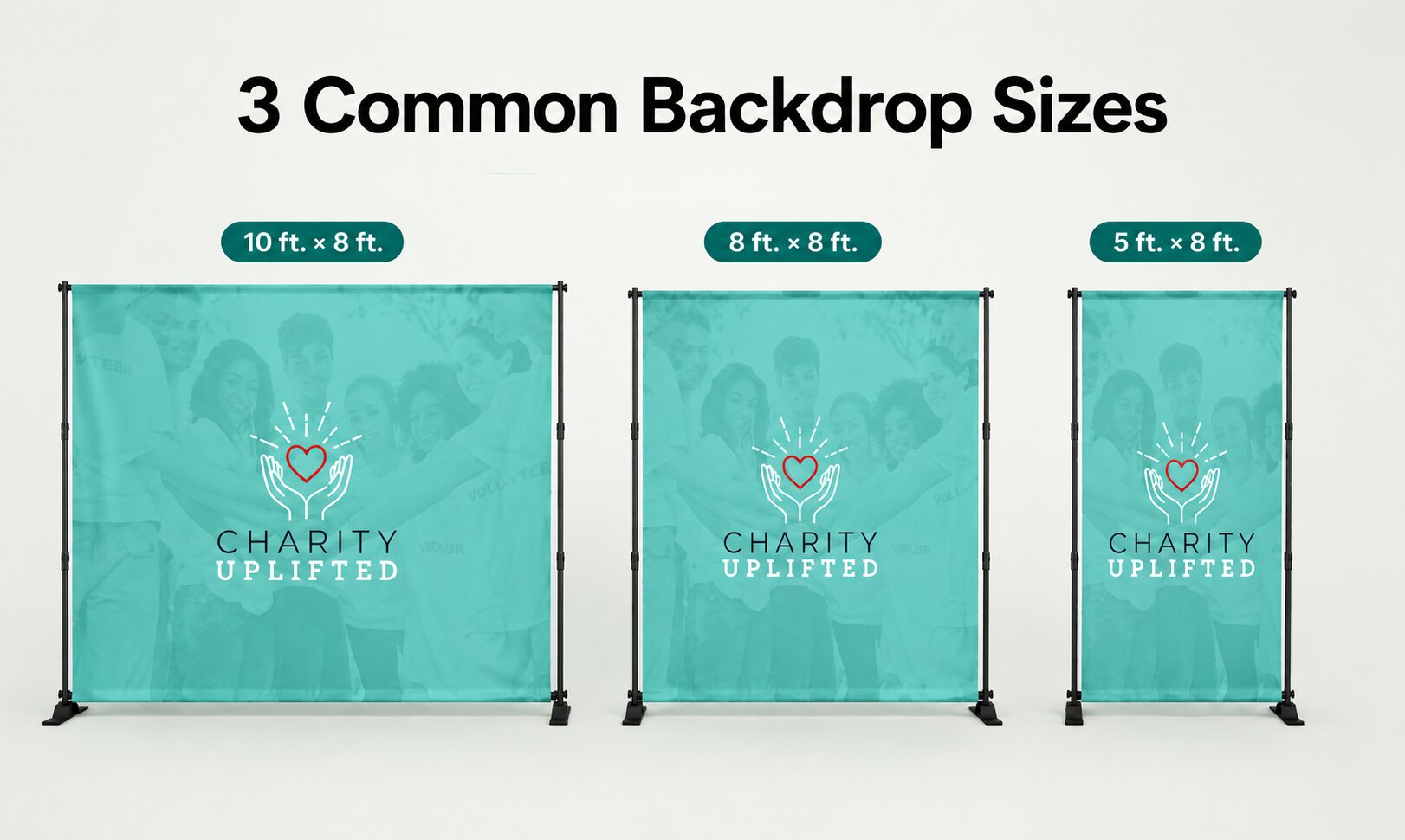
Common backdrop sizes
Designing a backdrop is about blending visuals with storytelling. If you are making your first event backdrop, make it the centerpiece of your event.
1. Pick Your Size
Choosing the right size helps your backdrop look balanced in the space. Avoid making it too small, crowded, or difficult to photograph. If it is on a stage, check that it fits the platform and leaves space for hosts and performers.
Backdrop sizes to consider:
- 10″ x 8″ – This size works well for large events, group photos, and strong branding
- 8″ x 8″ – This is a versatile option for most events, photos, and displays
- 5″ x 8″ – This size is best for small spaces, portraits, and easy transport
2. Focus on One Main Message
The best backdrops have one clear visual design. Consider your event’s theme and design a backdrop that matches.
3. Design for Distance
People may see your backdrop from far away at first. Make sure important text and images are easy to read from a distance.
4. Use High-Quality Images
Large backdrops can make image flaws more noticeable, so always use high-resolution, professional photos.
5. Think About the Environment
Your backdrop should fit in with its surroundings. Think about the lighting, booth size, and nearby displays at your venue.
6. Keep Branding Visible but Balanced
Branding matters, but it should not take over the design. The best backdrops include branding in a way that fits with the overall look.
frequently asked questions
A.
Yes, a step-and-repeat banner is a type of backdrop made for branding and photos. It usually shows repeating logos or graphics.
A.
It depends on what you want to achieve. Step-and-repeat banners are great for photos and showing off sponsors. Regular backdrops work better if you want your booth to stand out visually.
A.
Yes, but if you use them outside, make sure to use strong hardware and add weights or sandbags to keep the banner steady.
A.
Fabric backdrops are popular since they cut down on glare, don’t wrinkle much, and look good in photos. Vinyl is also a strong choice, often used at events and trade shows.
Final Thoughts
Step-and-repeat banners and backdrops might look alike, but they each have their own use. If you want your logo to show up in photos, go with a step-and-repeat banner. For a more eye-catching or immersive display, a backdrop works best.
At UPrinting, you can customize banners and backdrops in different sizes, materials, and styles for trade shows, events, retail spaces, and more. Check out our custom banner options and make your brand stand out.