Parking signs do more than mark spaces. They guide behavior, reduce confusion, and keep traffic moving safely across commercial lots, residential streets, and public areas. When installed properly, they’re easy to spot, quick to read, and built to last. When installed poorly, they’re ignored.
Whether you’re setting up reserved parking, loading zones, or restricted areas, the goal is simple: maximum visibility and long-term durability. That comes down to smart placement, correct height, and secure mounting.
What You Need Before Installing Parking Signs
Before you begin, make sure you have the right tools and materials on hand:
- Parking sign (aluminum or reflective)
- Sign post (metal or treated wood)
- Mounting brackets or hardware
- Bolts, nuts, and washers
- Drill or wrench
- Post driver or shovel (for new installations)
- Level and measuring tape
Having everything ready upfront speeds up installation and helps you avoid alignment issues later.
Step 1: Choose the Right Location
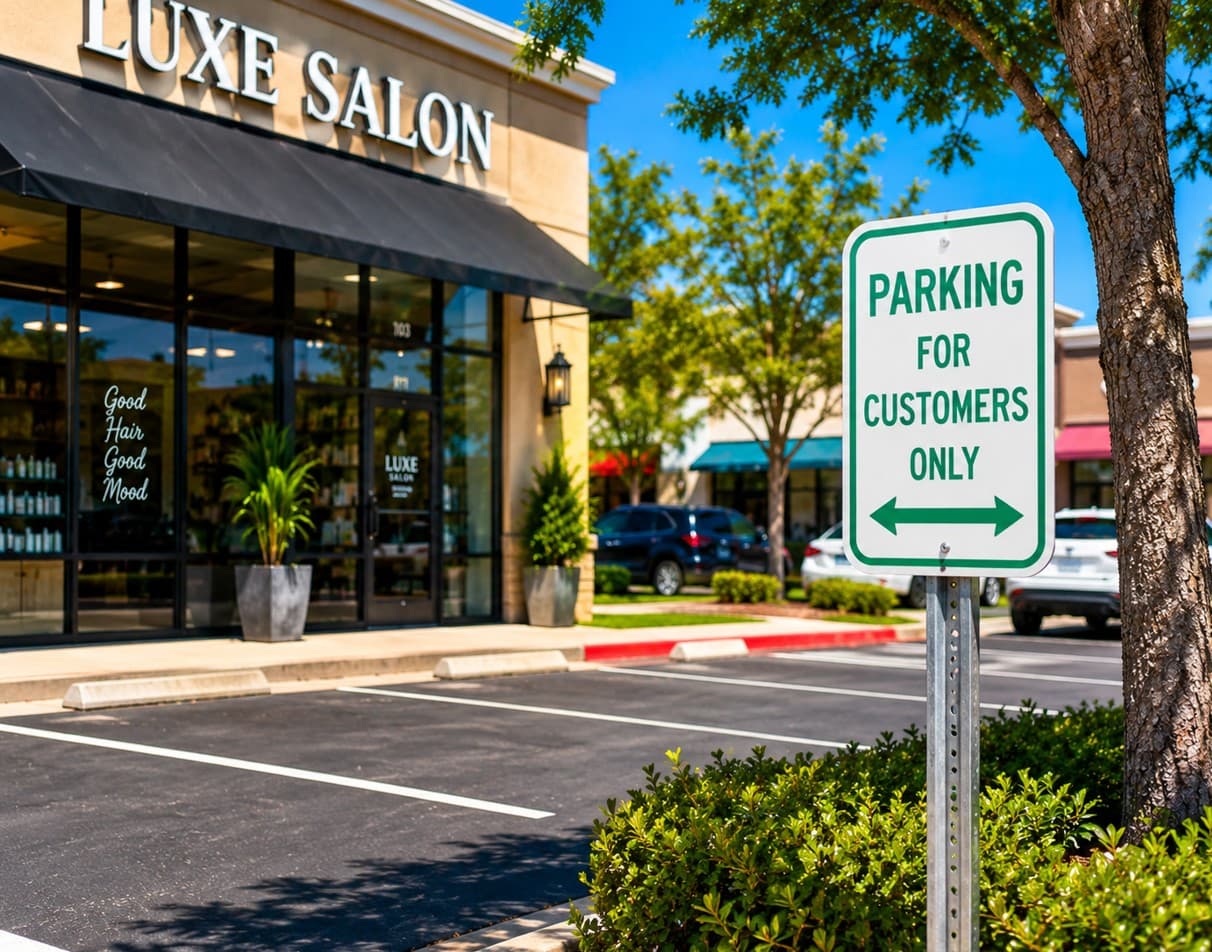
Start with visibility. If drivers can’t see the sign in time to react, it’s not doing its job.
Place parking signs where they naturally catch attention:
- At entrances and exits
- Directly in front of designated spaces
- Along curbs, lanes, or restricted zones
Avoid areas where signs can be blocked by parked vehicles, landscaping, or structures. Always think from the driver’s perspective approaching the space.
Step 2: Install or Position the Sign Post
If there’s no existing post, you’ll need to install one securely. A weak post leads to leaning signs and poor readability over time.
To install a new post:
- Dig a hole about 1.5 to 2 feet deep
- Position the post and check alignment with a level
- Fill with compacted soil, gravel, or concrete
- Allow it to set firmly before mounting the sign
For high-traffic or commercial areas, concrete is the most durable option.
Step 3: Mount the Sign at the Correct Height .
Height directly impacts visibility. Too low, and cars block it. Too high, and it’s harder to read quickly.
General guidelines:
- 5 to 7 feet from ground to the bottom of the sign in pedestrian areas
- Slightly higher near roadways for better sightlines
Measure before mounting to ensure consistency across multiple signs.
Step 4: Attach the Sign to the Post
Secure mounting keeps the sign stable through weather and daily wear.
Installation steps:
- Align the sign against the post
- Insert bolts through pre-drilled holes
- Add washers and nuts on the back
- Tighten using a wrench
Before fully tightening, double-check that the sign is straight and centered.
Step 5: Check Alignment and Stability
Once installed, take a few steps back and review the sign from a distance.
Make sure it is:
- Level and properly aligned
- Securely fastened with no movement
- Clearly visible from the intended approach
Small adjustments here make a big difference in real-world visibility.
Step 6: Inspect and Maintain Regularly
Even a well-installed sign needs occasional checks to stay effective.
Look for:
- Loose hardware
- Leaning or shifting posts
- Obstructions like new landscaping or parked vehicles
Routine maintenance keeps your signage clear, professional, and compliant over time.
In Summary
Installing parking signs correctly is about more than putting up a marker. It’s about creating a system that drivers can understand instantly.
By choosing the right location, mounting at the proper height, and securing everything firmly, you ensure your signs remain visible, durable, and effective for years to come.
Frequently Asked Questions
A.
Yes. Common sizes include 12" x 18" and 18" x 24", depending on visibility requirements and local regulations.
A.
Reflective signs are highly recommended, especially in low-light conditions. They improve nighttime visibility when illuminated by headlights.
A.
Yes. Signs can be mounted on walls, fences, or existing poles as long as they remain secure and clearly visible.