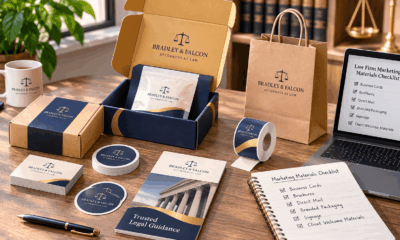
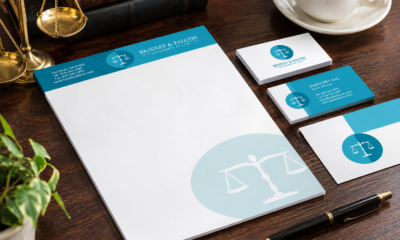
Digital marketing is a great way for law firms to reach new clients, but traditional methods still have their place. Direct mail lets firms introduce their services, boost their local presence, and connect with specific groups using printed materials. If you’re promoting family law, estate planning, or other legal services, this guide will show you how to plan, design, and measure a successful direct mail campaign.
Why Direct Mail Works for Law Firms
Direct mail gives law firms control over who gets their materials and where they go. Law groups can use targeted mailing lists, neighborhood routes, or professional networks based on what they want to achieve. For example, they can:
- Increase local awareness by letting households in their area know about their services.
- Let potential clients in the right communities know about new services or office locations.
- Share information about seminars and events that offer helpful legal advice.
- Stay in touch with former clients by sending them updates and reminders.
- Connect with people who may not be looking for legal help online.
- Build stronger referral relationships by sharing updates with other professionals and community partners.
Printed materials can act as helpful reminders, prompting people to check out the firm's website when they need legal help.
Choosing the Right Direct Mail Materials for Your Law Firm
Print materials for law firms have different uses, whether you need to share a quick announcement or provide detailed legal information. To pick the best format, think about who will read it, what you want to say, and how you want people to react. Also, make sure your materials meet direct mail and EDDM rules and guidelines.
1. Postcards
Postcards work best when they deliver a short, clear message that people can quickly understand. Use them to promote legal services, announce events, or raise local awareness. Focus on one topic per postcard and make sure to include these key details:
- Use a headline that stands out and grabs attention.
- Briefly explain what your firm offers.
- Share a useful benefit or helpful legal tip.
- Include your firm's phone number and website.
- Add a clear call to action.
- Add any required legal advertising disclosures.
- Include a QR code or a short URL for more information.
2. Letters and Envelopes
If you need to explain something in detail or want to add a personal touch, letters are a good option. They are useful for client updates, referrals, and educational outreach. Keep your paragraphs short, use clear headings, and use matching envelopes to keep your branding consistent.
3. Brochures
Brochures are a great way to help potential clients learn about your services. The print materials give you room to explain important details and are the right size for mailing. They’re especially useful for consultations, referrals, and community events. Instead of only listing your credentials, consider organizing your brochure around these common client questions:
- What types of legal issues does the firm handle?
- Who can benefit from the firm's services?
- What should prospective clients do first?
- What documents or information should clients prepare?
How can interested clients contact the firm?
4. Self-Mailers
Self-mailers are a way to share detailed information without needing separate envelopes. You get more space for your message, and everything stays together. They work well for campaigns that mix educational content with invitations, announcements, or reminders.
Common uses include:
- Educational guides that explain legal topics in simple terms.
- Seminar invitations with event details and registration instructions.
- Practice-area overviews introducing the firm's services.
- Community outreach materials sharing helpful legal resources.
- Seasonal reminders about relevant legal planning activities.
To get the best results, make sure your content is easy to read and leave space for addresses, postage, and other mailing needs.
How to Target the Right Recipients
To run a successful direct mail campaign, start by deciding who you want to reach. Law firms can focus their audience by looking at campaign goals, location, client needs, and existing professional relationships.
Define Your Campaign Objectives
Before you pick mailing lists or delivery routes, decide what you want your campaign to achieve. Clear goals help you find the right people, create relevant messages, and track your results.
Law firms often aim to:
- Generating consultations for a specific legal service.
- Increasing brand awareness within a defined service area.
- Promoting educational seminars and community events.
- Introducing legal services to local businesses.
- Reconnecting with past clients and existing contacts.
- Building relationships with professional referral partners.
Geographic Targeting
After setting your goals, figure out which locations need your services most. Focus on cities, counties, or neighborhoods in your service area. Think about how easy it is to reach your office, how many people live nearby, and which places already bring in client inquiries.
Audience Segmentation
Once you have chosen your locations, group potential recipients by their needs and interests. For example, homeowners might want estate planning tips, while business owners could need help with contracts.
Typical audience groups include:
- Homeowners who may need estate planning services.
- Local businesses seeking legal guidance on commercial matters.
- Older adults and caregivers planning for future legal needs.
- New residents looking for legal services in their community.
- Parents and families are interested in family law services.
- Professional partners who may refer to prospective clients.
- Past clients who may benefit from additional services.
Referral Partner Outreach
Besides reaching out to clients, think about professionals who often work with people who need legal help. Accountants, financial advisors, real estate agents, and healthcare providers can be great referral contacts. Send them clear mailers that introduce your services and explain how they can refer clients to you.
Always check applicable rules on attorney advertising, referrals, and solicitation before sending materials.
Every Door Direct Mail (EDDM) for Law Firms
Every Door Direct Mail allows law firms to send promotional materials to specific postal routes without needing to address each household. This is a useful way to reach local communities and promote services to a wide audience nearby.
EDDM works particularly well for:
- Introducing consumer-focused legal services.
- Announcing new office locations.
- Promoting local seminars and events.
- Sharing educational legal information.
- Building awareness within a service area.
But if your firm wants to reach certain professions or client groups, using a more targeted mailing list might work better.
Before you start, make sure to review USPS rules for mail sizes, route choices, quantities, how to prepare and bundle your mail, and delivery schedules. This helps your materials get delivered smoothly.
What to Include in a Law Firm Direct Mailer
A good law firm mailer gives clear information, is easy to read, and makes it simple for people to take action. These parts help you show what you offer, build trust, and get people to reply.
A Clear Headline
Begin with a headline that quickly tells people what your mailer is about. Highlight a legal service, a client need, or a useful resource. Use simple, direct language that fits your audience. For example:
- “Planning for the Future? Start With an Estate Plan Review.”
- “Local Legal Guidance for Small Business Owners.”
- “What to Bring to Your Personal Injury Consultation.”
A Relevant Explanation
After your headline gets their attention, explain how your message connects to what they need. Use everyday words and real-life examples, not complex legal terms. Keep it short but give enough detail to be helpful.
Credibility Indicators
Once you’ve described your services, show why people can trust your firm. Share attorney credentials, memberships, experience, or where your offices are. Always make sure your claims are true, can be checked, and follow legal advertising rules.
A Specific Call to Action
After you’ve shared the key details, point people to a clear next step. Pick one main action that fits your goal. Give simple instructions, whether you want them to ask questions, check out resources, or join an event.
Examples include:
- Schedule a consultation with the firm.
- Call the office to discuss available services.
- Visit a dedicated webpage for additional information.
- Register for an upcoming legal seminar.
- Download a helpful legal planning checklist.
- Request more information about a specific practice area.
Complete Contact Information
Make it easy for people to contact your firm. List your correct phone number, website, and office address. Add your business hours if needed. Check all details before printing to avoid mistakes and make sure questions go to the right person.
A Measurable Response Method
Lastly, add a way to see how people respond to your mailer. You can use special phone numbers, landing pages, short URLs, and QR codes to track which replies come from your mailing and see how well your message works.
Direct Mail Compliance Considerations for Law Firms
Legal advertising rules are different in each jurisdiction. Make sure to check the relevant regulations and required disclosures before you send out any direct mail materials.
Pay attention to:
- Claims about past results, expertise, or specialization.
- Guarantees, predictions, and terms like “best” or “expert.”
- Required attorney advertising disclosures.
- Solicitation rules and mailing-list privacy.
- Referral arrangements and practice-specific restrictions.
Do not suggest guaranteed outcomes or make legal claims that have not been verified. Before printing, ask the responsible attorney or compliance reviewer to check and approve the final content, design, contact details, and distribution plan.
How to Measure Direct Mail Results
Include in your direct mail tracking methods to show how campaigns perform. This helps law firms see if their investment is paying off and spot ways to improve.
Some important metrics to watch are:
- Total inquiries and consultation requests.
- Cost per inquiry and consultation.
- Consultation-to-client conversion rate.
- Revenue from campaign-sourced clients.
- Response rates by location or audience.
Use tracking methods such as:
- Dedicated phone numbers.
- Unique landing pages, URLs, or QR codes.
- Campaign-specific reference codes.
- Intake forms asking how clients found the firm.
Because it can take months to get responses, always track direct mail as a lead source.
Turn Direct Mail Into a Measurable Growth Channel
Direct mail helps law firms connect with local audiences through clear, physical messages. Postcards raise awareness, brochures explain services, letters add a personal touch, and EDDM lets firms target specific neighborhoods.
The best campaigns start by defining the audience and goal. They share helpful, accurate information, make the next step clear, and track responses regularly.
If you want more tips on making your materials consistent, check out How Law Firms Can Build Trust Through Professional Print Marketing. For help planning your campaign, see The Law Firm Marketing Materials Checklist. UPrinting offers postcards, brochures, envelopes, and other print products to support your outreach.