Law firms rely on marketing materials such as business cards, consultation folders, and direct mail to connect with clients. Since many teams are involved and deadlines can be tight, staying organized and consistent is important.
Using a simple checklist helps firms focus on priorities, maintain a professional brand, and make sure their materials support their marketing goals. Below are some important points to consider.
Downloadable Law Firm Marketing Materials Checklist
Print this checklist and use it when your law firm opens a new office, adds legal services, or starts a marketing campaign. Make sure you finish each section before you approve materials for printing or public release.
Start With Your Law Firm Marketing Goals
Every marketing material should have a clear purpose. Start by identifying what your firm wants to accomplish before you choose the design, format, or message.
Common marketing goals include:
- Generate consultations by encouraging potential clients to contact your firm.
- Build local awareness by introducing your services to nearby communities.
- Promote practice areas by highlighting new or existing legal services.
- Encourage referrals by sharing useful information with professional partners.
- Improve onboarding by organizing documents and explaining the next steps.
- Promote events by inviting people to seminars or community activities.
- Maintain client relationships through appropriate follow-up communications.
- Educate potential clients by simplifying complex legal topics.
After you know your goals, pick one main objective for each campaign. This will help you focus your message, materials, distribution, and how you track results.
Define Your Target Audience
After setting your marketing goals, figure out who you want to reach with your materials. Each audience has its own needs, so make sure your message and format match what they care about.
Common target audiences include:
- Prospective clients who need information about your services and consultation options.
- Existing clients who need updates, instructions, or additional legal guidance.
- Past clients who may benefit from relevant follow-up communications.
- Referral partners who need information about your services and ideal client profiles.
- Local businesses seeking legal support for their operations.
- Event attendees interested in specific legal topics or services.
- Community organizations looking for educational resources or professional partnerships.
- Legal professionals interested in networking and collaboration opportunities.
Once you know your audience, focus on giving them the information they need most. This will help keep your materials relevant and helpful.
Essential Law Firm Branding Materials
With your audience and goals identified, it’s time to pick the right print materials. Here are some basics to help with daily communication, attract new clients, and promote your firm at events.
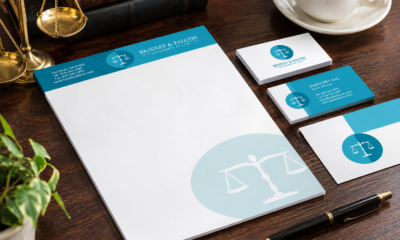
1. Business Cards
Business cards let attorneys, paralegals, and other staff share their contact details at meetings and networking events. If your firm has several locations or practice areas, think about whether general or customized cards work best for you.
Before ordering, confirm that:
- Names, job titles, and practice areas are accurate.
- Phone numbers and email addresses are working.
- Website URLs and office addresses are current.
- Logos, colors, and fonts follow the firm's branding guidelines.
2. Letterheads and Envelopes
Letterhead documents make your client letters, referrals, and official announcements look consistent and professional. Pair them with matching envelopes to help people recognize your firm before they open the mail. Keep both designs simple and easy to read, with enough space for your message and details.
Check the following details:
- Firm names and attorney information are accurate.
- Contact details are readable and up to date.
- Logo placement is consistent across materials.
- Colors match the firm's branding guidelines.
- Letterhead provides enough space for written content.
- Envelope sizes accommodate the intended documents.
3. Presentation Folders
Presentation folders help you keep consultation documents, service info, and client instructions together. If your firm covers several practice areas, a general branded folder with changeable inserts gives you flexibility without needing a different folder for each service.
Common folder inserts include:
- Firm brochures introducing available legal services.
- Attorney biographies highlighting relevant experience.
- Consultation checklists outlining preparation requirements.
- Document request lists identifying necessary paperwork.
- Fee and process information explaining applicable procedures.
- Office contact details for future questions and appointments.
4. Branded Stationery
Branded stationery helps with daily communication, scheduling, and following up with clients. Make sure these materials are practical and easy to use, with simple branding that keeps everything clear. Usually, a small logo, matching colors, and key contact details are all you need.
Consider including:
- Notepads for meetings and consultations.
- Appointment cards with scheduling details.
- Thank-you cards for appropriate follow-up communication.
- Branded note cards for professional correspondence.
Client Acquisition Materials
After you have your main branding materials, turn to print products that introduce your services to new clients. These should share clear information, invite questions, and make it easy for people to reach your firm.
1. Brochures
Brochures let potential clients learn more about your firm’s services, attorneys, and how consultations work. They’re helpful when a legal topic needs more explanation. Focus each brochure on one audience or practice area so readers don’t feel overwhelmed.
Before printing, check that:
- The content addresses a specific audience or practice area.
- Legal terms are explained in plain language.
- The call to action is clear and easy to follow.
- Contact information is complete and accurate.
- Claims about legal services are factual and supportable.
- Content complies with applicable legal advertising rules.
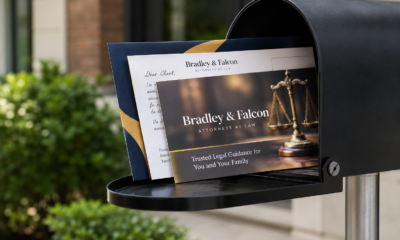
2. Postcards
Postcards work well for local outreach, event announcements, and targeted legal marketing. Since space is limited, keep your message short and focused. Pick one main goal and make the next step clear, like visiting your website or booking a consultation.
Include the following elements:
- A clearly defined target audience.
- One primary message or promotional objective.
- An engaging, accurate headline.
- A specific call to action.
- A working phone number and website.
- A trackable URL, phone number, or QR code.
- Correct mailing dimensions and specifications.
- Any required legal advertising disclosures.
3. Flyers and Rack Cards
Flyers and rack cards are good for promoting legal services at community centers, offices, libraries, and local events. Use clear headlines, short details, and make your contact info easy to spot.
For effective designs:
- Use a headline that immediately explains the topic.
- Keep descriptions short and easy to understand.
- Make contact information visible and readable.
- Choose font sizes suitable for the viewing distance.
- Match the format to the intended display location.
Event and Community Outreach Materials
Besides daily marketing, printed materials help law firms stand out at seminars, networking events, and community activities. Pick products that fit the venue, the audience, and the key information you want people to remember.
1. Event Signage and Displays
Event signage helps people find your firm’s booth, table, or presentation area. Use big, clear headlines and branding on larger displays. Smaller signs can give directions, share service details, or offer extra information.
Consider preparing:
- Retractable banners for booths branding and visibility.
- Tabletop signs for service information and directions.
- Branded table covers for a consistent booth appearance.
- QR-code cards linking to relevant online resources.
2. Event Handouts and Takeaways
Handouts give attendees helpful information they can look at after meeting your team. Unlike event signs, handouts can explain legal topics in more detail. Make sure the content fits the event and includes clear contact info for follow-up questions.
Useful materials include:
- Brochures explaining relevant legal services.
- Business cards for professional networking.
- Presentation folders for organizing event documents.
- Appointment cards for scheduling consultations.
- Educational handouts covering specific legal topics.
- Seminar workbooks containing discussion notes and exercises.
3. Coordinated Seminar Materials
For seminars and educational events, make sure all your printed items focus on the same main topic. Invitations, signs, handouts, and follow-up materials should use the same messages and branding so people can easily link the information to your firm.
Before the event:
- Confirm that invitations communicate the correct topic and schedule.
- Match signage with the seminar's branding and messaging.
- Organize handouts according to the presentation's flow.
- Prepare follow-up materials with relevant contact information.
- Check that all printed materials contain consistent event details.
Create a More Consistent Marketing System
A comprehensive marketing materials checklist helps law firms stay organized, keep their branding consistent, and make the most of every printed piece. Begin with the basics and add more options as your firm grows and tries new marketing ideas.
Ready to take the next step? Learn how to strengthen your firm's image with How Law Firms Can Build Trust Through Professional Print Marketing. You can also explore Direct Mail Marketing for Law Firms: A Complete Guide for practical tips on reaching local clients and tracking campaign results.