When clients search for a law firm to help with legal questions, they want a team that is experienced, dependable, and will treat their case with care. Before they even meet, high-profile clients pay attention to details like how quickly the law office responds, how their staff communicates and acts, and whether the firm appears organized and professional.
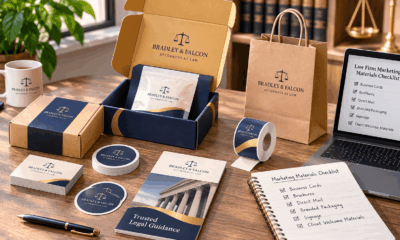
Printed marketing materials play a big role in shaping that first impression. A well-designed business card, consultation folder, brochure, or letterhead does more than show your logo. It gives clients something real that shows your firm’s standards. In this article, we’ll focus on how these printed materials help build your reputation and professional identity.
Why Professional Presentation Matters for Law Firms
Trust matters in legal services, especially for clients picking a firm for the first time. Even if they do not know every legal process, they notice clear communication, organized information, and a professional look.
Professional print materials help law firms make a strong first impression and offer real benefits:
- Help build trust during first meetings with clients.
- Make legal services and steps easy to understand.
- Keep the firm’s branding the same in all offices, at events, and in mailings.
- Help clients remember the firm after meetings.
- Encourage clients to refer others by giving them professional materials they can share.
But good design only works if the information is accurate. Old details, unclear explanations, or claims that sound too good can hurt your credibility. Keeping materials clear, up-to-date, and relevant helps show the professional image clients want from a law firm.
12 Law Firm Marketing Materials That Build Trust
1. Business Cards
Business cards let attorneys and staff connect with others at consultations, networking events, and conferences. A good card should have:
- Name, title, and practice area
- Firm name and logo.
- Phone number and email address.
- Office address or website.
Keep the layout simple and highlight your main services instead of listing every specialty.
For example, “Family Law and Estate Planning” shows your expertise clearly. Use the same colors, fonts, and branding on all cards so clients and contacts can easily recognize your firm.
2. Letterhead and Envelopes
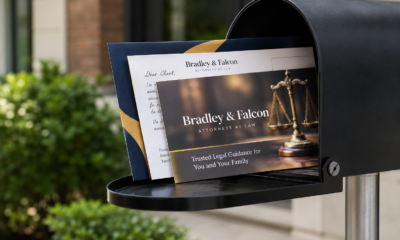
Professional correspondence should always look consistent. Using custom letterheads helps law firms present a polished appearance across client letters, announcements, and referral communications.
Be sure to include key details like the firm's logo, address, contact information, and website, while following any professional rules. Use matching envelopes to give mailed documents a coordinated appearance. This makes it easy for recipients to recognize the firm and strengthen its professional image, whether they receive consultation details, engagement documents, or regular correspondence.
3. Presentation Folders
Law firms can also focus on organizing and presenting client documents better. Using presentation folders helps keep consultation materials, attorney biographies, service information, and appointment details together.
This helps clients review important information without losing any documents. Use a simple design with the firm's logo, colors, and contact details. Pick a folder size that can handle all the materials you usually give out, so everything stays neat and professional.
4. Practice-Area Brochures
Presentation folders keep documents organized, but brochures help law firms explain their services clearly to potential clients. A good brochure should include:
- Legal matters the firm handles.
- Common questions about its services.
- Consultation requirements and preparation.
- General legal procedures and next steps.
- Contact information and office details.
Make sure your explanations are simple, accurate, and helpful. Do not promise specific results and always check that your content follows legal advertising rules before printing.
5. Postcards and Appointment Reminders
Law firms can use postcards not just to explain their services, but also to connect with new clients and stay in touch with current ones. Postcards work well for promoting consultations, seminars, community events, or sending appointment reminders.
Make sure each postcard shares one main message and a clear next step, like booking a consultation or visiting your website. Write for your specific audience instead of advertising unrelated services. This helps people understand your message and see why it matters to them.
6. Event Signage and Banners
In addition to printed documents and direct mail, law firms can boost their local presence by using event signage and banners. These tools make it easier for people to spot the firm at conferences, seminars, and community events.
Proper signage includes the firm's name, logo, a brief description, and contact details. Use a simple design with big fonts and clear colors so people can see it easily. You can also add QR codes for easier online access. Because most people look at signs while walking, focus on information they can quickly understand.
7. Notepads and Client-Facing Stationery
Custom notepads and thank-you cards help law firms look professional when meeting with clients and following up after consultations.
Notepads and stationery are handy for taking notes, and thank-you cards are a nice way to show appreciation to clients and contacts. Use simple branding and leave plenty of space for writing or personal messages. This keeps the items useful and still shows the firm’s professional image.
8. Appointment Cards
In addition to branded stationery, appointment cards make it easy for clients to remember their upcoming consultations and meetings. These small reminders keep important scheduling details handy.
Be sure to add the appointment date, time, office address, phone number, and instructions for rescheduling. If your firm has more than one location, double-check that each card lists the right office details. Keep the layout simple and the text easy to read so clients can find what they need quickly.
9. Referral Cards
Referral cards let law firms reach new clients by using their existing relationships. These small cards make it easy for happy clients and professional contacts to recommend the firm.
Add the firm's name, logo, contact details, and main practice areas to the card. Use clear, honest messaging and do not make big promises about results.
Check the rules for referrals before handing out cards, especially about incentives. A simple, clear card helps people share your contact information in a professional way.
10. Client Welcome Packets
After a client decides to work with the firm, sending a welcome packet can help start the relationship on the right foot. This packet puts all the key information in one place, making it easier for clients to get started.
The packet should have an introductory letter, attorney biography, a checklist of needed documents, communication guidelines, and a summary of what happens next. Make sure clients know who to contact if they have questions. Setting expectations early helps clients feel ready and informed as they start working with the firm.
11. Community Education Handouts
Law firms can also help their communities by sharing useful information through educational handouts. These handouts are helpful at seminars, workshops, and local events.
Choose practical topics like how to prepare for a consultation, organize estate documents, or understand basic legal steps. Use simple explanations and do not give advice for specific cases. Add the firm's contact details for anyone who wants more help. This shows the firm is an easy-to-reach source for general legal
12. Referral Partner Materials
Educational handouts help law firms connect with the community, but referral partner materials are for building relationships with other professionals. Accountants, financial advisors, and real estate agents often have clients who might need legal help.
Give partners short brochures or folders that list the firm's practice areas, services, and contact details. Describe the types of cases the firm handles so partners know when to refer clients. Make sure the information is clear and accurate, so professional contacts feel confident introducing the firm to others.
How to Create a Consistent Law Firm Brand
A strong brand helps law firms look professional in every office, service, and client meeting. Begin by making a simple brand reference sheet that covers:
- Approved logos, colors, and fonts.
- Photography and visual styles.
- Attorney names, titles, and office contact details.
- Standard practice-area descriptions.
- Required legal disclaimers and advertising language.
Use these guidelines for business cards, brochures, letterheads, signs, and digital materials. Each piece can look a bit different, but the overall style should stay consistent.
If your firm has more than one office, set up a way to review and update shared information. Check contact details, attorney titles, and branding before printing helps prevent costly mistakes and ensures every location presents the same professional image.
Choosing and Designing Client-Friendly Legal Marketing Materials
Once your branding is set, choose print materials that help with your firm’s daily work and client meetings. If you run a smaller practice, begin with the basics and add more marketing tools as you grow.
- Start with business cards and letterheads.
- You can also use presentation folders and brochures for your practice areas.
- Appointment cards and welcome packets are helpful for new clients.
- Postcards or flyers work well for reaching out to your local community.
After you pick your materials, make sure they are simple and clear. Use easy-to-read language and fonts, keep sections short, and add clear headings. Make your contact details easy to find and include a clear call to action. If you use QR codes, link them to helpful, mobile-friendly pages.
Before printing, ask someone unfamiliar with your firm to check the materials to see if they are clear. As your firm grows, you might add event signs, referral cards, or educational handouts to help with new marketing and client connections.
Build a More Credible Client Experience
Print marketing helps law firms show professionalism at every stage of a client relationship. Business cards, brochures, folders, letterhead, postcards, and signage all have their own roles, but they should support a single, clear brand.
When your materials are consistent, your firm is easier to recognize, refer, and trust. Begin with the items your clients and referral partners use most, make sure the details are correct, and check each piece for clarity before printing.
To plan your materials, see The Law Firm Marketing Materials Checklist. If you want to focus on getting new clients, check out Direct Mail Marketing for Law Firms: A Complete Guide.