In boutique stationery, the print finish shapes how your product feels and how customers remember your brand. Texture, foil accents, and paper weight all contribute to a strong first impression. If you run a small-batch business with limited runs and changing designs, it helps to keep these details flexible and affordable. The best part is that you don’t have to order in bulk to stand out. With the right approach, custom finishes can make your stationery unique while keeping production easy, dependable, and true to your brand.
This guide shows how stationery brands can use letterpress, foil, and specialty papers in practical, affordable ways while maintaining consistent quality.
Why Print Finishes Matter for Small Stationery Brands
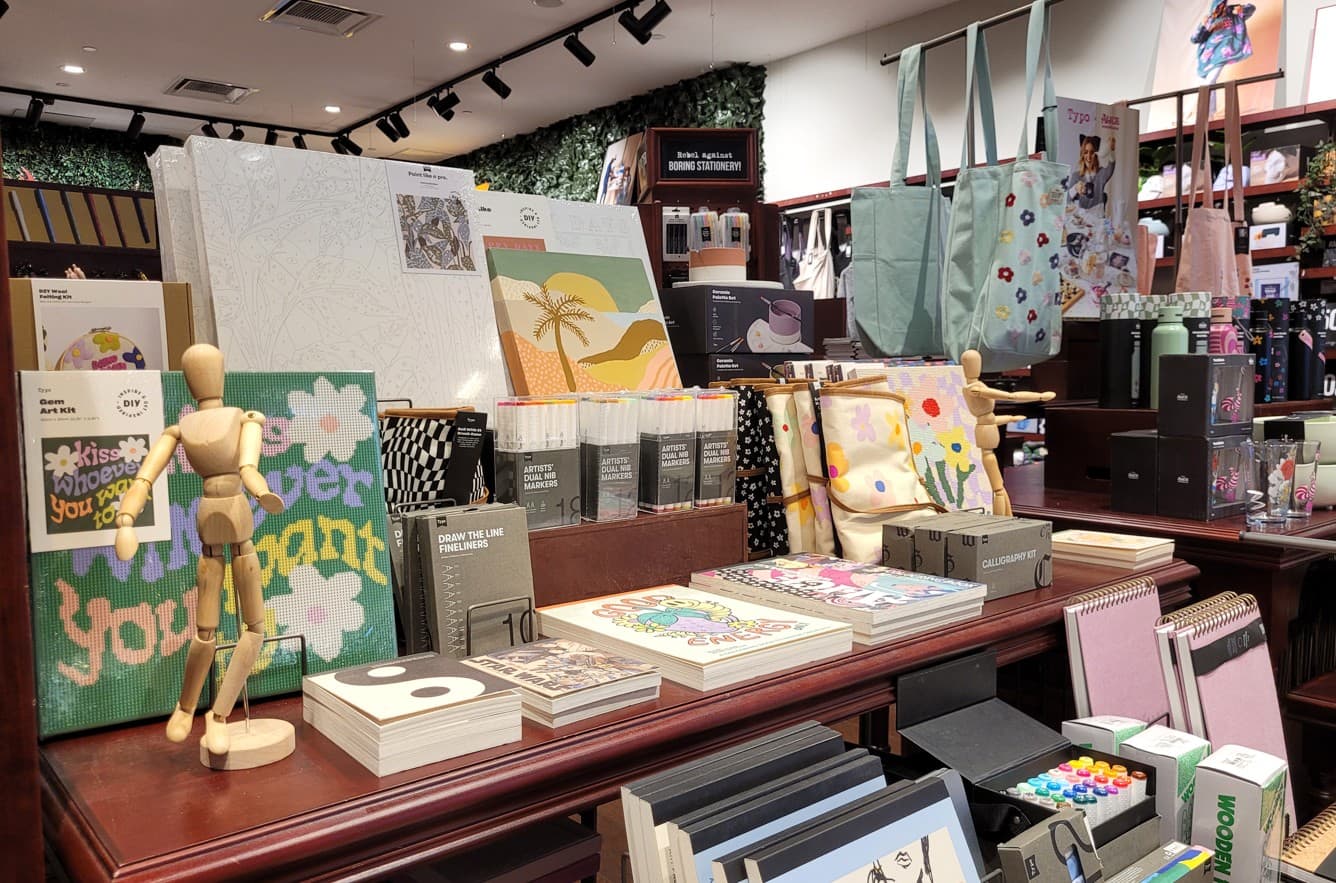
A boutique stationery display with printed notebooks and accessories
Customers may not know the technical terms for printing, but they notice how something feels right away. Studies show that touch affects how people judge quality, and many are willing to pay more for prints with special finishes.
Tactile details like embossing or foil can make a product more appealing. Using thicker paper also suggests quality and careful craftsmanship.
For small stationery brands, special finishes show quality, build trust, and help make products more memorable. Some even capitalize on them, adding texture and feel to their signature branding. In these cases, the finishes also signal if a print journal or stationery is authentic.
Letterpress: How to Create a Signature Look on a Budget
People love letterpress for its rich texture and depth. Pressing ink into thick paper gives each piece a special, handcrafted feel.
Why Letterpress Is a Good Fit for Boutique Sellers
Letterpress works best in these situations:
- Your designs feature short messages, simple phrases, or focus on typography.
- You want your product to have a timeless feel rather than follow trends.
- You plan to reprint the same design several times during the year.
Printing a small batch of 100 to 250 letterpress cards can help your collection stand out rather than just being a one-off project.
How to Keep Letterpress Affordable
Independent brands often save money by making smart choices early in the process.
- Stick to single-color designs to lower plate and setup costs.
- Focus on letterpress for text rather than for full illustrations.
- Print designs that use the same plate size.
- Pick paper stocks that your printer already has in stock.
Foil Stamping: How to Add Visual Impact with Purpose
Foil stamping brings shine and contrast to stationery. It helps designs look more polished and special but doesn’t take over the whole piece.
When Foil Has the Most Impact
Foil works especially well for:
- Wedding and engagement cards, to highlight key details and make the event feel even more special.
- Holiday and milestone greetings that can double as gifts.
- Limited editions or keepsake collections.
Foil looks best when used sparingly. Rather than covering the whole design, try focusing on:
- Names, dates, or short phrases to highlight important details.
- Borders or lines that frame the layout without taking over.
- Symbols or icons that add to the overall design theme.
Tips for Using Foil in Small Batches
You don’t need much foil to make your work stand out. To keep things simple:
- Use just one foil color per design to make setup easier and keep costs down.
- Apply foil only to the front to simplify production.
- Consider digital foil options, which are more flexible and cost-effective for batches of 100 or fewer.
Paper Options and Card Stock for Color Accuracy
Customers usually notice the paper stock before they look at the design. The type of paper used affects how colors appear and how sturdy the product feels.
How to keep your paper choices consistent
Pick paper stocks that match your brand and keep a record of your choices. Try not to switch papers often. The most successful stationery brands establish clear guidelines to maintain consistency.
- Pick one main paper for your regular designs.
- Select a premium paper for your special collections.
- Record the paper weight, finish, and supplier information for future orders.
This way, your reprints will look and feel the same, even if you make them months later.
Smart Ways to Save on Paper Costs
To prevent unexpected problems or running out of paper:
- Order real paper samples before you finish your designs.
- Check with your printer to see which paper stocks they usually have available.
- Refrain from using unusual or novelty papers that might be hard to find in the future.
Maintaining Consistent Print Quality Across Small Runs
After you choose the right paper and finish for your stationery, focus on keeping things consistent. Customers want every order to feel the same, whether they’re reordering or telling others about your brand.
You can make a simple printing guide to share with your printers. This helps them match your letterpress designs, foil stamping, and paper stock for future orders.
Be sure to keep track of these details for repeat printing:
- Paper type and weight
- Ink colors or color values
- Finish details
- Printing notes or preferences
This makes it easier to reorder and helps your printers know exactly what you want.
Proofing with Confidence
When you talk to your print providers, remember to:
- Request physical proofs for new finishes.
- Review samples under neutral lighting.
- Compare proofs against previous runs side-by-side.
These steps help keep your brand consistent and let you check your stationery before they’re produced.
Custom print finishes let boutique stationery brands make products that customers remember and want to share. Techniques such as letterpress, foil stamping, and using specialty papers can make your designs stand out, even if you don’t have big production runs or complex processes. The most important thing is to pick finishes that fit your brand and keep your collection looking consistent. Start with a few options, see what works best, and grow from there. With some planning and help from partners like UPrinting, premium finishes can become a steady and scalable part of your brand’s growth.