Picking a sign material should not require guesswork, yet when aluminum composite and solid aluminum sound so similar, it is easy to get stuck. Both are durable and built for outdoor use, but each one performs differently depending on your project. This guide breaks down the essentials so you can choose with confidence.
What Aluminum Signs Are Made Of
Most aluminum signs fall into two main categories: aluminum composite and solid aluminum. The difference comes down to construction.
Aluminum composite uses two thin aluminum sheets bonded to a lightweight polyethylene (PE) core. This layered build keeps the panel rigid, reduces weight, and makes it easy to install. It is weather-resistant, dependable, and often the most economical option.
Solid aluminum is a single sheet of metal, usually 2 to 4 mm thick, built for maximum toughness. It is heavier, stronger, and designed to hold up against demanding outdoor environments. This is the type of material used for traffic signs or long-term property signage.
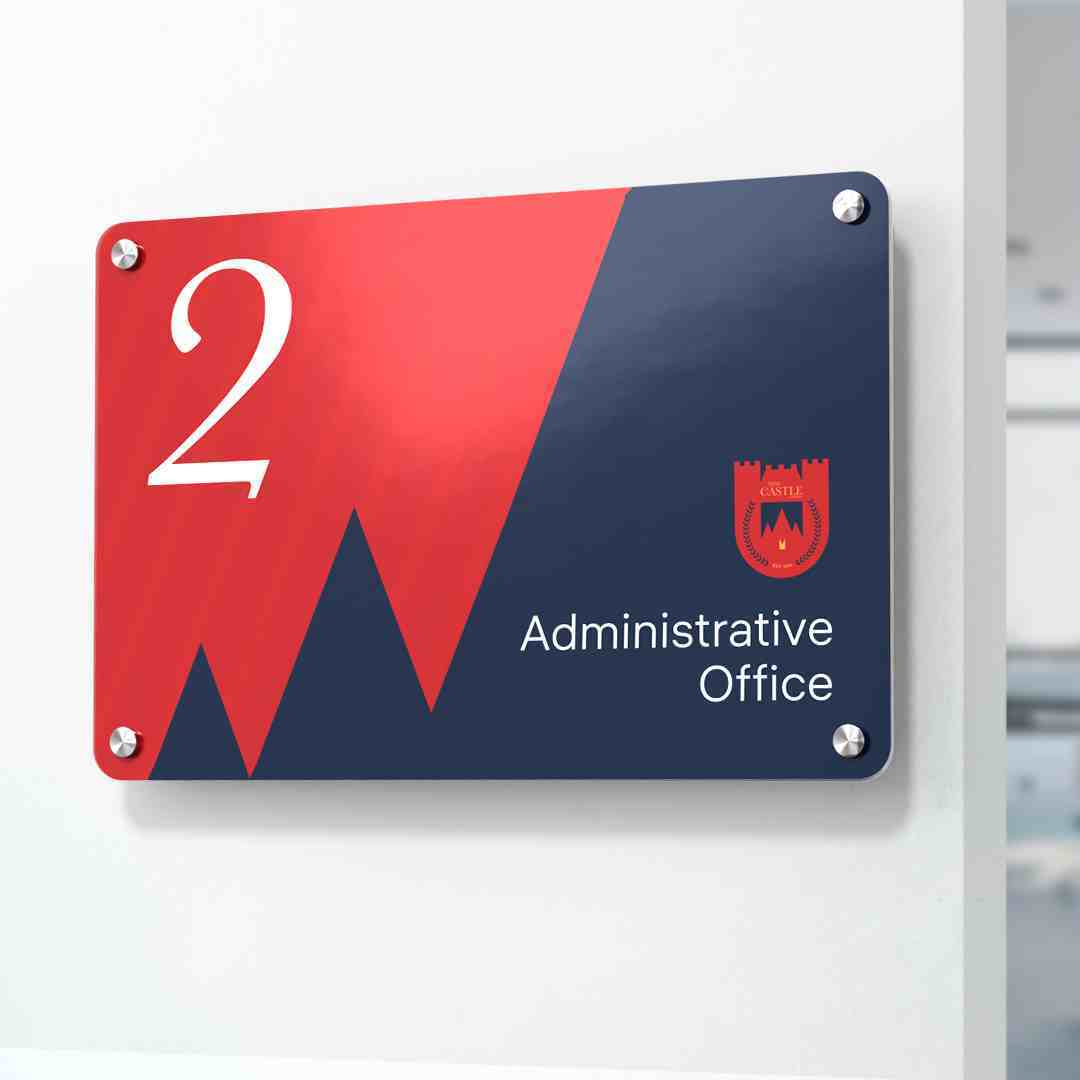
Administrative office sign with room number mounted on a wall
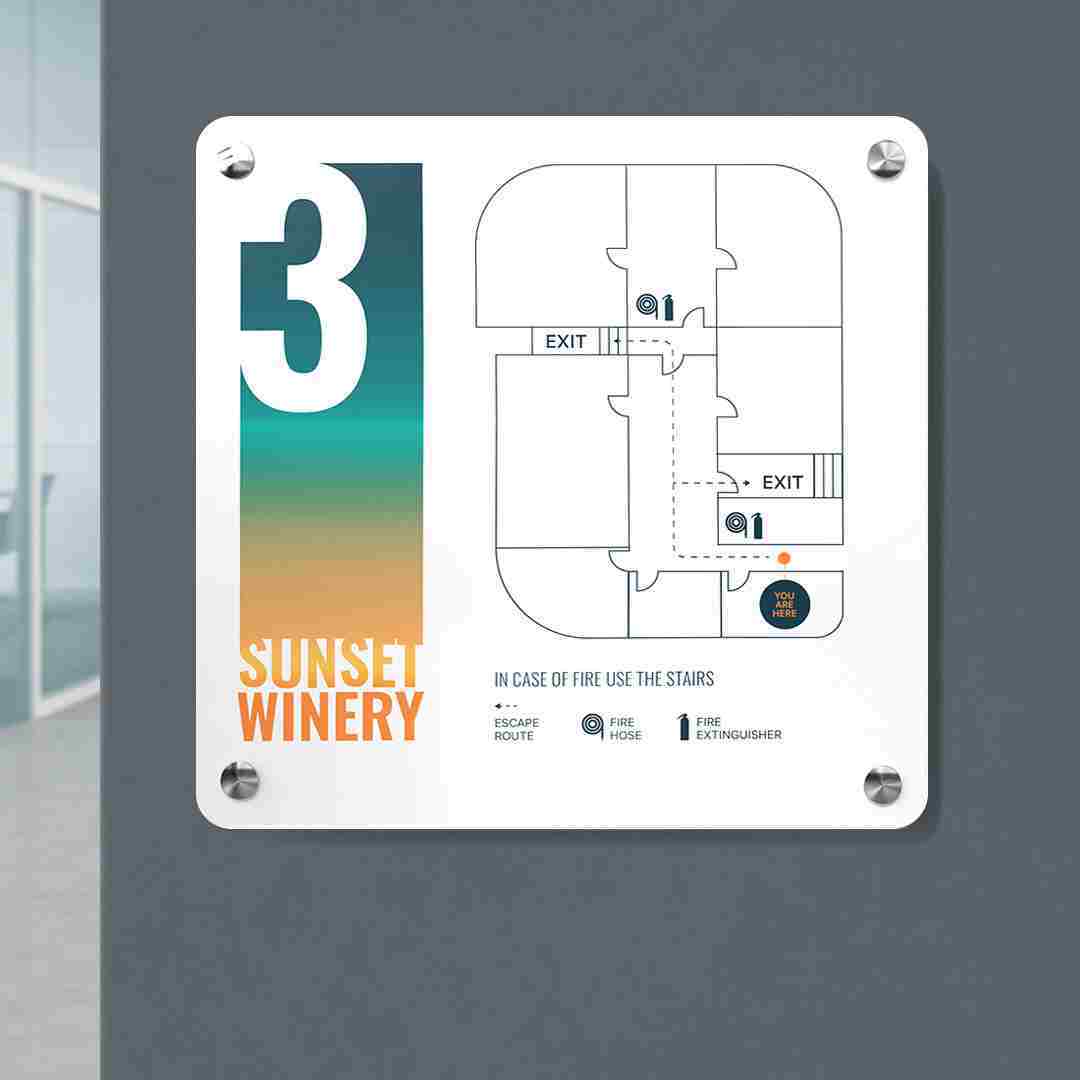
Aluminum directory sign featuring a building floor plan
Aluminum composite uses two thin aluminum sheets bonded to a lightweight polyethylene (PE) core. This layered build keeps the panel rigid, reduces weight, and makes it easy to install. It is weather-resistant, dependable, and often the most economical option.
Types of Aluminum Sign Materials
Once you know the base material, you can choose from different finishes and functional options. Each one serves specific visibility or style needs.
| Material Type | Finish or Option | Best For |
|---|---|---|
| Aluminum Composite | White Composite | Everyday business use, general signage, clean graphics |
| Aluminum Composite | White Reflective Composite | Parking areas, safety signs, nighttime viewing |
| Aluminum Composite | Brushed Aluminum Composite | Offices, reception areas, modern branding, upscale displays |
| Solid Aluminum | Standard Solid Aluminum | Long-term outdoor use, high-wind or harsh weather conditions |
| Solid Aluminum | Reflective Aluminum | Roadway signs, parking lots, directional and safety signage |
How to Choose the Right Material
A quick way to match your sign to the right material:
- Choose aluminum composite when you want a durable, lightweight sign at an affordable price.
- Choose solid aluminum for long-term installs, exposed outdoor locations, or areas with heavy wind.
- Choose reflective options for signs that need to be seen at night or along roadsides.
- Choose brushed aluminum if you want a polished, premium look for indoor branding.
If you know where the sign will be installed and how long you expect it to stay in place, the best choice becomes clear.
Practical Tips for Better Results
Your material matters, but the way you design and place the sign can impact visibility just as much. Keep these tips in mind:
1. Pick a Size Based on Viewing Distance
- 12" × 18": Close-range visibility such as office doors and directories
- 18" × 24": Storefronts and general business or property signs
- 24" × 36": Long-distance visibility such as roadside or event signage
2. Use High-Contrast Colors
- Light backgrounds with dark text, or the opposite
- High contrast helps viewers read your message quickly.
- Avoid thin or delicate fonts
- Keep text short for wayfinding, compliance, or directional signs
3. Add a Protective Coating for Outdoor Use
- A gloss laminate protects your sign from scratches, UV exposure, and everyday wear
- Especially useful for storefronts, exterior walls, and other outdoor installations
- Lamination is generally available for composite aluminum signs only
4. Choose the Right Installation Method
- Pre-drilled holes for mounting on walls, fences, posts, and gates
- H-stakes for temporary outdoor placement
- Double-sided tape for smooth indoor surfaces
5. Place Your Sign Where It Gets the Most Attention
- Angle the sign toward foot or vehicle traffic
- Position it close to eye level when possible
- Avoid placing the sign against cluttered backgrounds
In Summary
Both aluminum composite and solid aluminum deliver strong, professional-quality signs. Composite gives you a lightweight, cost-effective option, while solid aluminum provides long-term durability for tough outdoor environments. Reflective and brushed finishes help enhance visibility or elevate your branding.
When you combine the right material with a clear design and proper installation, your sign not only lasts longer but communicates more effectively. If you are ready to create your sign, you will find plenty of options that match your project, budget, and environment.
Frequently Asked Questions
A.
Yes. Both composite and solid aluminum resist rain, humidity, and most outdoor conditions without warping or rusting.
A.
Composite signs typically last several years. Solid aluminum can last a decade or longer with proper installation and minimal UV exposure.
A.
The metal itself will not fade, but printed graphics can lighten over time. A UV-resistant laminate helps preserve color.
A.
Standard composite panels work for most projects. For maximum durability or high-wind locations, solid aluminum offers extra strength.
A.
No. Reflective signs only illuminate when light hits them. They do not glow in the dark on their own.
A.
Yes. Both types are recyclable, although composite panels may require a facility that accepts mixed-material items.