Whether you’re labeling products, promoting your brand, or designing custom decals, choosing the right sticker material makes all the difference in how your stickers look and hold up over time. Vinyl and paper are the two most common options, each with distinct strengths. In this UPrinting guide, we compare vinyl and paper stickers in terms of moisture resistance, sunlight exposure, and everyday wear, so you can choose the best sticker for your project and budget.
What Are Vinyl Stickers?
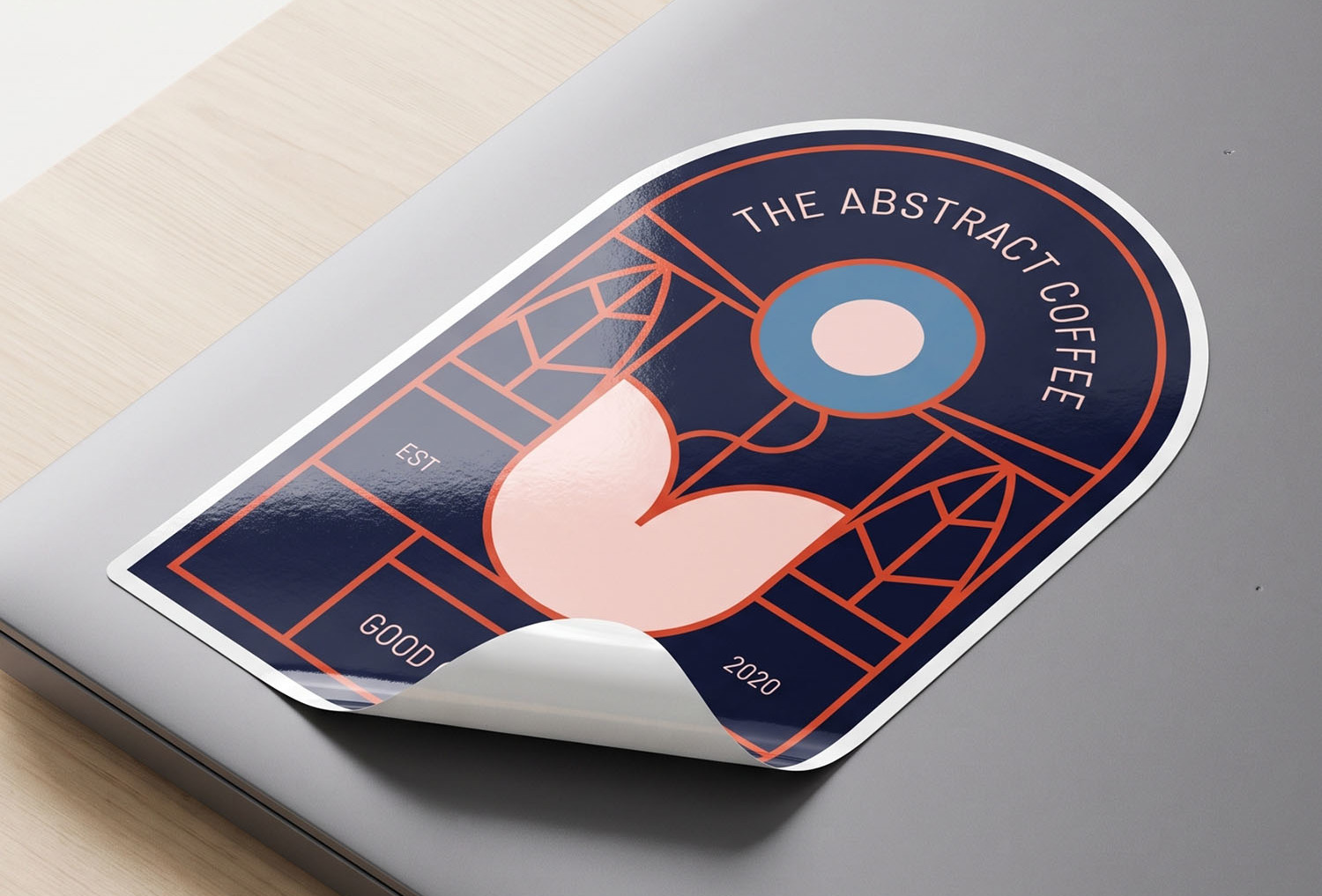
Decorative laptop vinyl sticker
Vinyl stickers are made from a flexible, durable plastic film with an adhesive backing. They resist water, scratches, and UV exposure, making them built to last through outdoor conditions and heavy daily use. Vinyl stickers are commonly used for outdoor signage, water bottles, vehicles, windows, and equipment labels.
What Are Paper Stickers?
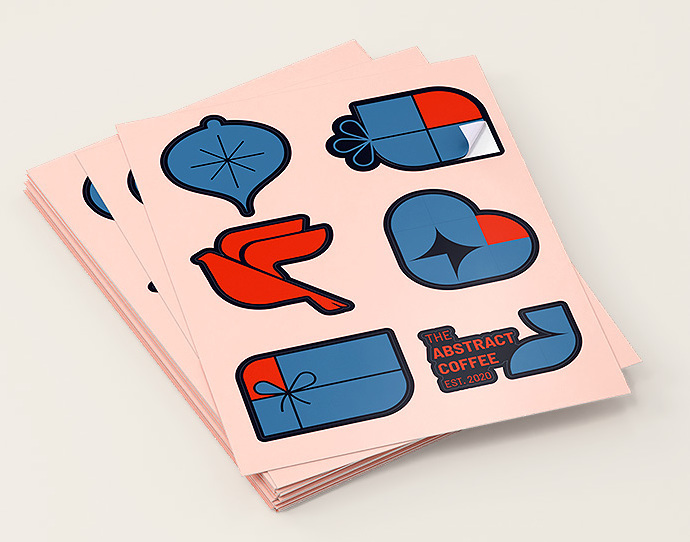
Paper sticker sheet with assorted designs
Paper stickers are printed on paper stock, coated for a polished finish or uncoated for a natural look, with an adhesive backing. They're best suited for indoor use away from moisture and heavy handling. Affordable, easy to print, and writable, paper stickers are a popular choice for product labels, packaging, shipping, and short-term promotions.
Vinyl vs. Paper Stickers at a Glance
Vinyl and paper stickers each have their own strengths. Below is a side-by-side comparison that highlights their key differences in durability, water resistance, appearance, writability, cost, and recommended applications.
| Feature | Vinyl Stickers | Paper Stickers |
|---|---|---|
| Material | Plastic (PVC or similar film) | Paper stock |
| Water/ Moisture Resistance | Excellent; resists rain, spills, humidity, and moisture | Poor; absorbs moisture unless specially coated |
| Outdoor Use | Yes | Intended for indoor use and only for short-term use in dry conditions outdoors |
| Durability | High; withstands frequent handling and wear | Moderate to low; best for light indoor use |
| Tear Resistance | Excellent; flexible and difficult to tear | Tears easily, especially around edges |
| Scratch Resistance | Good, especially laminated | Moderate; surface can scuff over time |
| UV Resistance | Resists fading in direct sunlight | May fade or discolor with prolonged sun exposure |
| Writability | Usually difficult; can be writable with permanent markers | Easy to write on with most pens, pencils, and markers |
| Best For | Outdoor use, long-term branding, reusable items | Indoor use, packaging, temporary labels |
| Cost | Higher | More affordable |
Material
Vinyl stickers are made from flexible plastic film, while paper stickers are made from paper stock. This difference affects everything from durability and water resistance to appearance and cost.
Water/Moisture Resistance
Vinyl naturally repels water, making it an excellent choice for bottles, refrigerated products, and outdoor use. Paper, on the other hand, easily absorbs moisture unless it's specially coated.
Outdoor Use
Vinyl withstands rain, sunlight, humidity, and temperature fluctuations, making it well-suited for outdoor applications. Paper stickers are primarily designed for indoor use and are only appropriate for short-term placement in dry outdoor conditions.
Durability
Vinyl handles frequent handling, bending, and everyday wear better than paper. Paper is sturdy enough for most indoor applications but wears out faster under heavy or prolonged use.
Tear Resistance
Vinyl's flexibility makes it difficult to tear. Paper tears more easily, particularly at the edges and when removed or handled repeatedly.
Scratch Resistance
Vinyl, especially when laminated, resists scratches and scuffs, helping printed graphics stay sharp longer. Paper is more susceptible to surface wear and can show scuffing over time.
UV Resistance
Vinyl resists fading in direct sunlight, making it the stronger choice for outdoor branding and window graphics. Paper may fade or discolor with prolonged sun exposure.
Writability
Paper stickers are easy to write on using pens, pencils, or markers. Vinyl's smooth, non-porous surface makes it less receptive to ink, so permanent markers are usually your best option. Note that glossy finishes may need extra drying time to prevent smudging.
Best For
Vinyl stickers are ideal for outdoor use, long-term branding, and reusable items because they’re more durable. As for paper stickers, they’re more suitable for short-term use, indoor applications, and packaging.
Cost
Paper stickers are more affordable, especially for large orders. Vinyl costs more but offers greater durability, making it a better investment for various applications.
Understanding Waterproof vs. Water-Resistant vs. Weather-Resistant
While these terms are used interchangeably, they describe different levels of protection. By knowing their differences, you can decide on what sticker material to choose for your needs.
- Waterproof – Prevents water from penetrating even with prolonged exposure.
- Water-resistant – Can handle light moisture or occasional splashes but isn’t designed for continuous exposure.
- Weather-resistant – Built to withstand outdoor conditions such as rain, sunlight, wind, humidity, and changing temperatures.
How Vinyl Performs
Vinyl is naturally water-resistant, and most laminated stickers are also waterproof and weather-resistant. They can withstand rain, spills, humidity, temperature changes, and outdoor exposure better than paper.
How Paper Performs
Paper stickers work best in dry environments. Since the material is absorbent, prolonged exposure can cause it to wrinkle, weaken, curl, tear, and lose its adhesive. Some paper stickers are coated and offer light moisture resistance, but they’re designed for long-term outdoor use or wet environments.
Does Lamination Make a Difference?
Yes, it does. Lamination adds a protective layer over a sticker, improving its durability. It's often used on vinyl stickers to help extend their lifespan.
Paper stickers can also have a gloss or matte coating that improves appearance and offers limited protection from fingerprints and light moisture. However, coatings on paper stickers don’t necessarily make them waterproof or suitable for outdoor conditions.
Vinyl vs. Paper Stickers for Product Packaging
Both vinyl and paper stickers are popular options for product packaging, but when should you choose each type?
Choose vinyl stickers when you need:
- Labels for refrigerated or frozen products
- Packaging that will be exposed to moisture or condensation
- Cosmetic, beverage, or bath product labels
- Your products will be stored or displayed outdoors
- Your stickers need to withstand frequent handling
- A premium, long-lasting finish on your packaging
Choose paper stickers when you need:
- Labels for products stored indoors
- Food, bakery, or gift packaging
- Shipping and mailing labels
- Product seals or promotional stickers
- Stickers that require handwritten information
- A cost-effective solution for high-volume orders
Find the Perfect Fit for Your Project
Vinyl and paper stickers are designed for different uses and the right choice comes down to where and how your sticker will be used. Need durability, weather resistance, and reliable outdoor performance? Vinyl is your best bet. Focused on indoor applications, packaging, or short-term promotions? Paper is the more practical, cost-effective choice.
Matching your material to your environment and purpose ensures your stickers look their best, hold up over time, and give you the most value for your budget. Ready to get started? Browse UPrinting's sticker options to find the right fit for your next project.