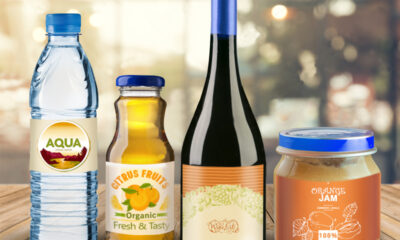
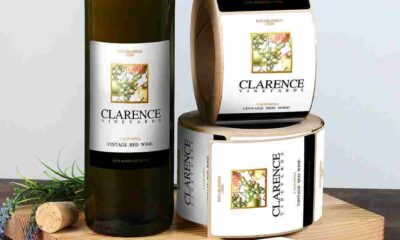
Labels do more than make your product look good. They communicate essential details to customers and need to hold up through shipping, storage, handling, and real-world use.
If you’re selling online, a label that smudges, peels, or fades can quickly undermine customer trust even if the product itself is great.
This guide breaks down product label basics in simple terms. You’ll learn what information most sellers include, what labels typically need for different product types, and how to choose materials that won’t rub off, curl, or fail in transit.
What Most Product Labels Should Include
If you’re unsure what information should be on a label, start with this general checklist. These are commonly included elements across many product categories and help your packaging look complete, professional, and trustworthy.
Basic Product Label Checklist
Most ecommerce product labels include:
- Product name - The name customers recognize when ordering or reordering.
- Brand or shop name - Helps customers remember who made the product and builds brand identity.
- Net quantity - Weight, volume, or count (oz, g, ml, fl oz, or quantity). This is one of the most commonly missed elements for new sellers.
- Ingredients or materials - Especially important for food, candles, skincare, and handmade goods. Clear listings build trust and reduce customer questions.
- Usage instructions (if needed) - Helpful for items that require care, storage, or specific handling.
- Warnings or safety notes - Common for candles, cosmetics, or anything involving heat, skin contact, or children.
- Business location or contact info - A city/state or website is often enough. Customers want to know where a product comes from and how to reach you.
- Batch or lot number (optional but helpful) - Useful if you produce in small batches and want traceability for quality control.
- Barcode or SKU - Helpful when scaling your shop, selling wholesale, or managing inventory.
You don’t need a complicated label system right away. Start with clear, readable information and add more structure as your shop grows.
Start with clear, readable information
Category Examples: What Sellers Usually Include
Different product types have different expectations. Here’s what labels commonly include by category.
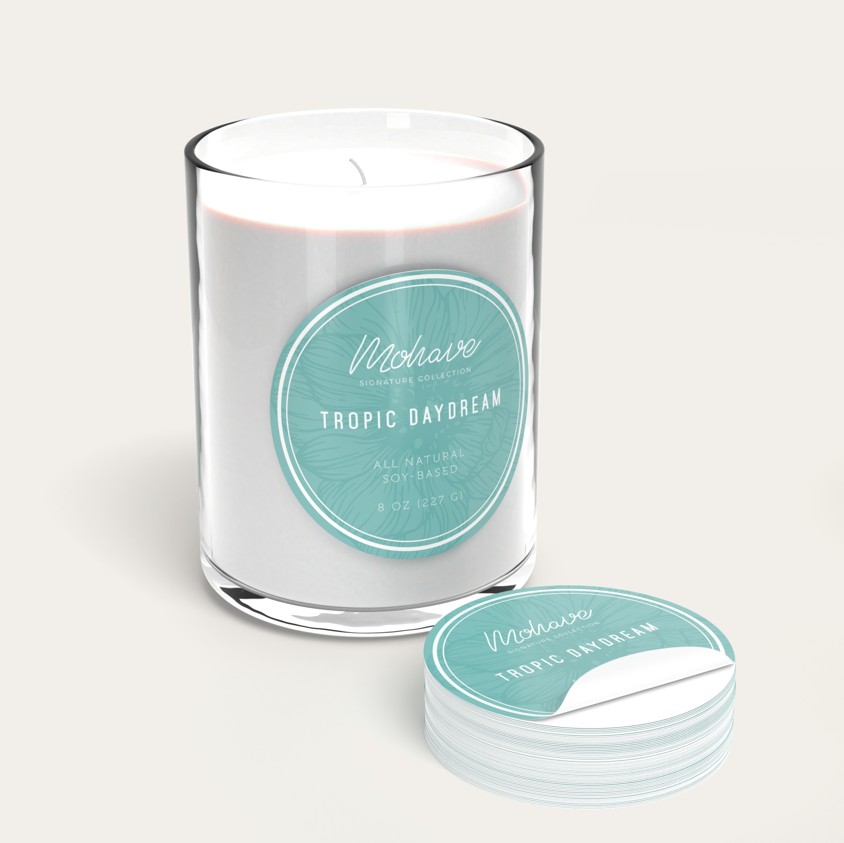
Candle Label Basics
Why it matters:
Candles are exposed to heat, handling, and shipping temperature changes. A label that looks fine at room temperature can peel or warp once the jar warms up or cools down. Durable materials and strong adhesive help keep labels intact from shelf to burn.
Typical elements:
- Scent or product name
- Net weight
- Brand name
- Burn warning label
- Safety icons or instructions
Cosmetic and Skincare Label Basics
Why it matters:
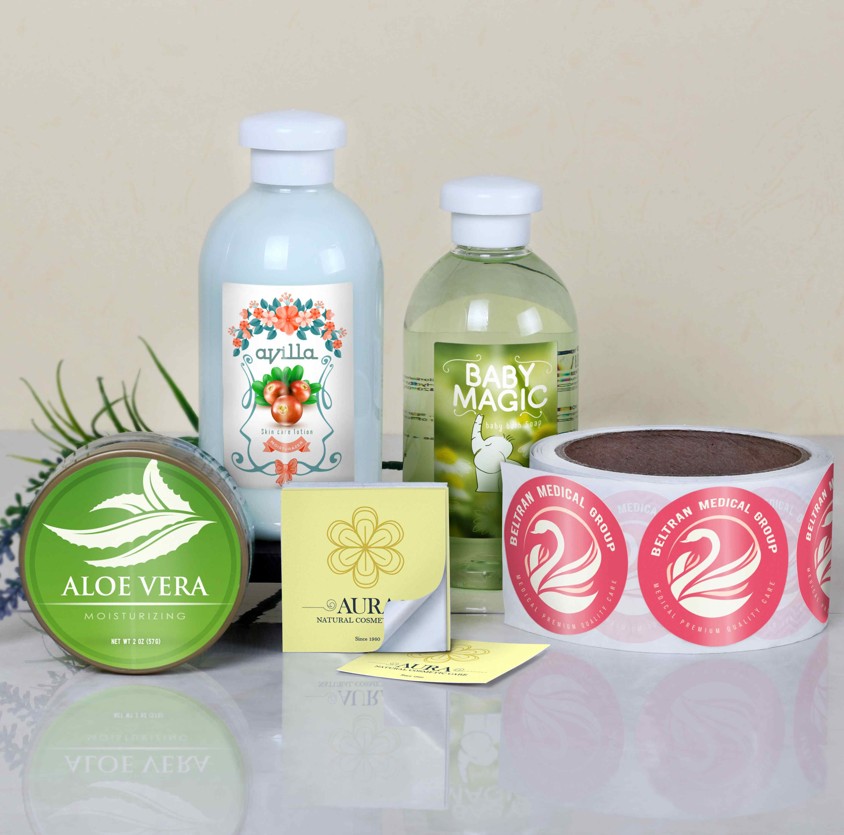
Skincare and cosmetic containers often encounter oils, water, and frequent handling. Paper labels without protection can absorb oils or smear easily. Choosing oil-resistant and waterproof materials helps maintain a clean, readable label over time.
Typical elements:
- Product name or identity
- Ingredient list
- Net contents
- Directions for use
- Shelf life or PAO symbol
- Brand/contact info
Apparel and Textile Labels
Why it matters:
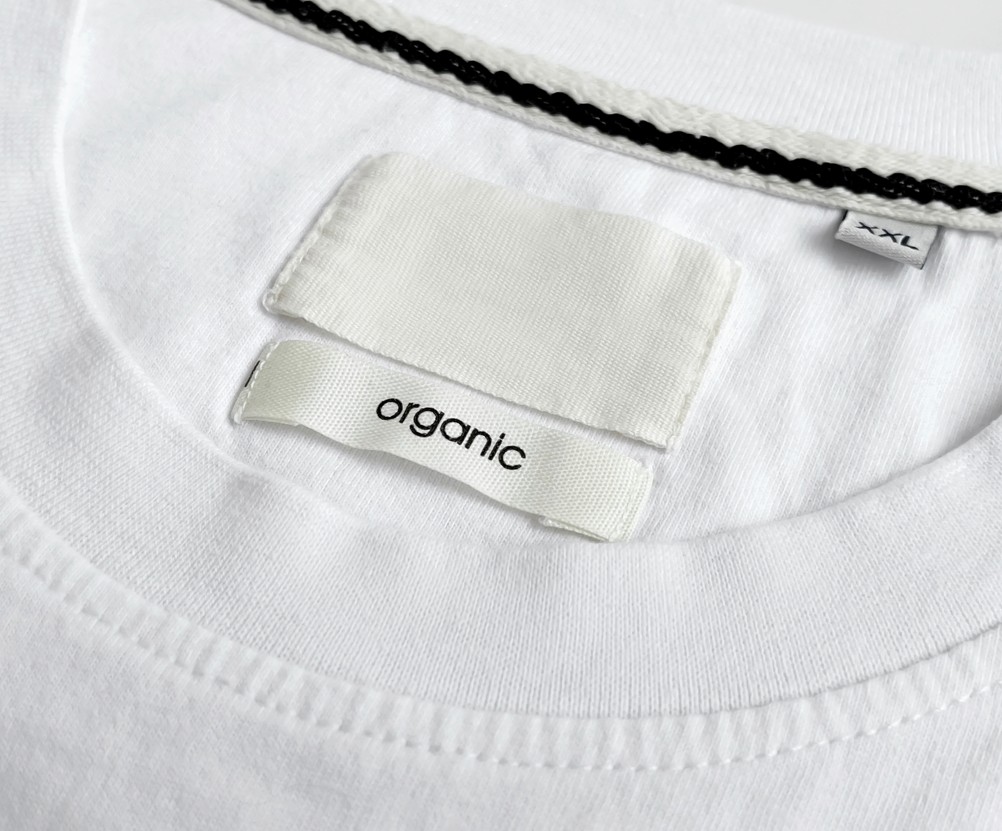
Apparel labels must withstand washing, friction, and repeated wear. Whether you use hang tags, adhesive labels, or sewn labels, durability and readability are key to maintaining a professional presentation.
Typical elements:
- Brand name
- Fabric content
- Care instructions
- Size
- Country of origin (commonly included)
Choosing the Right Label Material
Most label issues are material issues. If your label smudges, peels, or fades, it’s usually because the material or finish doesn’t match the product environment.
Start by thinking about what your label will go through after it leaves your workspace.
If Your Product Gets Wet or Condenses
Use:
- Waterproof film labels
- BOPP or vinyl materials
- Gloss or matte lamination
Good for:
- Beverages
- Bath products
- Refrigerated items
- Products stored in bathrooms or kitchens
These materials resist water, condensation, and splashes that would normally cause paper labels to wrinkle or lift.
If Your Product Contains Oils
Use:
- Oil-resistant film labels
- Laminated finishes
- Permanent adhesive
Good for:
- Skincare
- Hair products
- Balms
- Oil-based goods
Oils can break down standard adhesives and inks. Film labels with protective coatings help prevent staining and smearing.
If Your Product Faces Heat
Use:
- Heat-resistant adhesive
- Film labels instead of paper
- Laminated finishes
Good for:
- Candles
- Hot-filled jars
- Products shipped in warm climates
Heat can cause labels to curl or slide if the adhesive isn’t designed for temperature changes.
If You Want a Premium Look (but Still Durable)
Use:
- Matte or gloss laminated labels
- Textured paper with coating
- Clear labels
- Soft-touch finishes
Good for:
- Boutique products
- Gift items
- Premium packaging
You can still get a high-end look without sacrificing durability. The key is pairing aesthetic choices with protective coatings or stronger materials.
Why Labels Smudge, Peel, or Fade
Most label failures aren’t design problems. They’re material and environment mismatches.
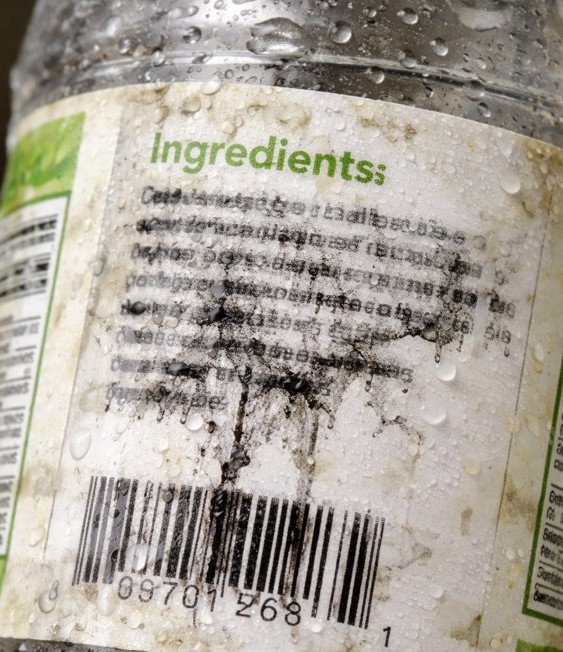
Smudging happens when:
- There’s no laminate or coating
- Labels are handled frequently
- They’re exposed to water
- Ink isn’t protected
Peeling happens when:
- Containers are curved
- Moisture or condensation builds up
- Surfaces are dusty or oily
- Adhesive isn’t strong enough
Fading happens when:
- Labels get sun exposure
- Friction wears down ink
- Low-quality printing is used
- There’s no protective finish
Understanding these causes helps you prevent problems before products reach customers.
Common Label Mistakes New Sellers Make
Most early labeling issues are easy to fix once you know what to watch for.
Common mistakes include:
- Forgetting net weight or quantity
- Leaving out ingredients or materials
- Using paper labels for wet environments
- Printing at home without protective coating
- Choosing labels that are too small to read
- Skipping durability testing
- Not matching label material to the container surface
Fixing these early saves time, reprints, and customer complaints later.
How to Test Your Labels Before Selling
Before committing to a full order, test your labels in real-world conditions.
Simple tests to try:
- Fridge test: Place the product in the refrigerator overnight.
- Water splash test: Lightly splash or wipe with a damp cloth.
- Oil rub test: Rub a small amount of oil on the label surface.
- Shipping test: Pack and shake a box to simulate transit.
- Heat test: Leave in a warm room or near sunlight.
If the label stays intact and readable, you’re on the right track.
When to Upgrade From DIY Labels
DIY labels can work when you’re just starting out, but there comes a point where upgrading makes sense.
Signs it’s time:
- Customers mention smudging or peeling
- Labels shift during shipping
- You’re managing more SKUs
- Consistent branding becomes important
- You’re preparing for retail or wholesale
Professional printing often improves consistency, durability, and overall presentation.
Choosing Labels That Work for Your Products
The best label is one that matches your product’s environment, not just its design.
UPrinting offers label options suited for:
- Waterproof and condensation-prone products
- Oil-resistant applications
- Candles and heat-exposed items
- Custom shapes and finishes
- Small or growing product lines
Choosing the right material from the start prevents reprints, returns, and customer confusion. A well-made label not only looks professional but also holds up from production to delivery to everyday use.