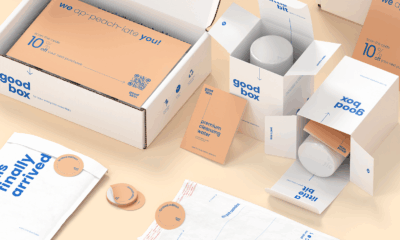
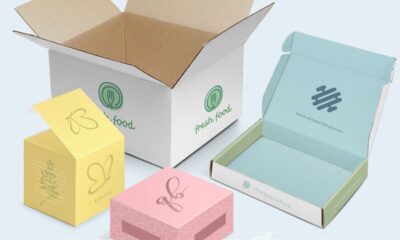
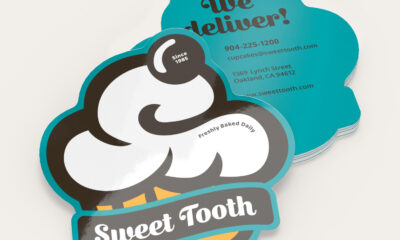
Ecommerce is fast, but packaging still builds trust. When customers can’t hold your product before they buy it, they judge your brand by what arrives at their door. A clean label. A thoughtful insert. A simple return card. Those small, printed touches make your shop feel legit, even if you’re packing orders from your kitchen table.
This checklist breaks down the printed materials ecommerce sellers actually use, organized by what matters most:
- Fulfillment and shipping operations
- Branding and unboxing experience
- Retention and repeat orders
Start with a simple “print system,” then scale from there.
Start Here: Your Ecommerce Print Starter Pack
If you only print 5–7 things for your shop, make it these. They’re budget-friendly, easy to reorder, and they instantly improve customer experience.
Thank-you card insert
What it does: Adds warmth and credibility to every order.
When to use it: Always, even for small batches.
What to include:
- A quick thank-you
- Your shop name or logo
- Social handle (optional)
- A short brand line (1 sentence max)
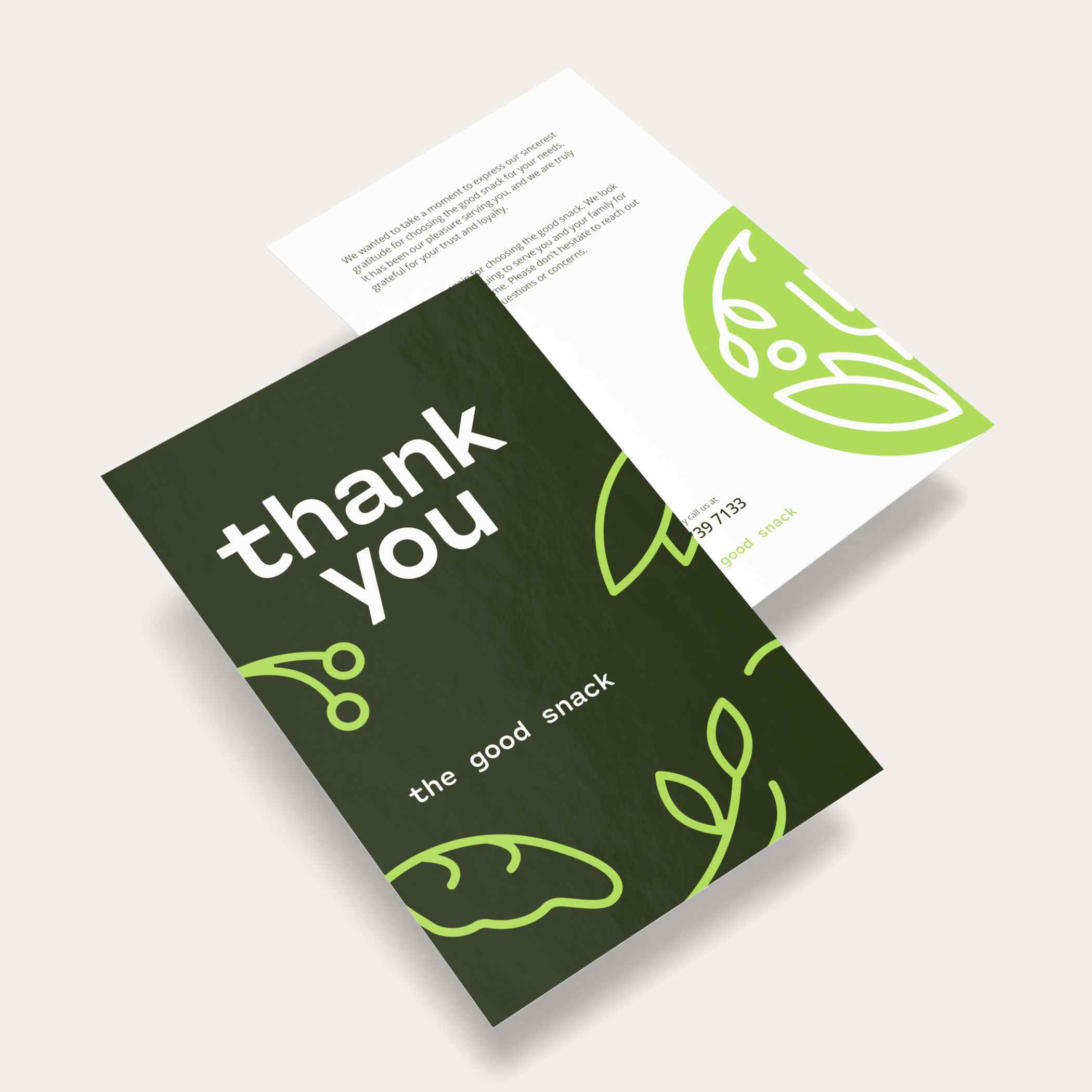
Best format: Postcards or small cards
Pro tip: A postcard-style insert is sturdy, affordable, and easy to pack flat.
Logo stickers or packaging seals
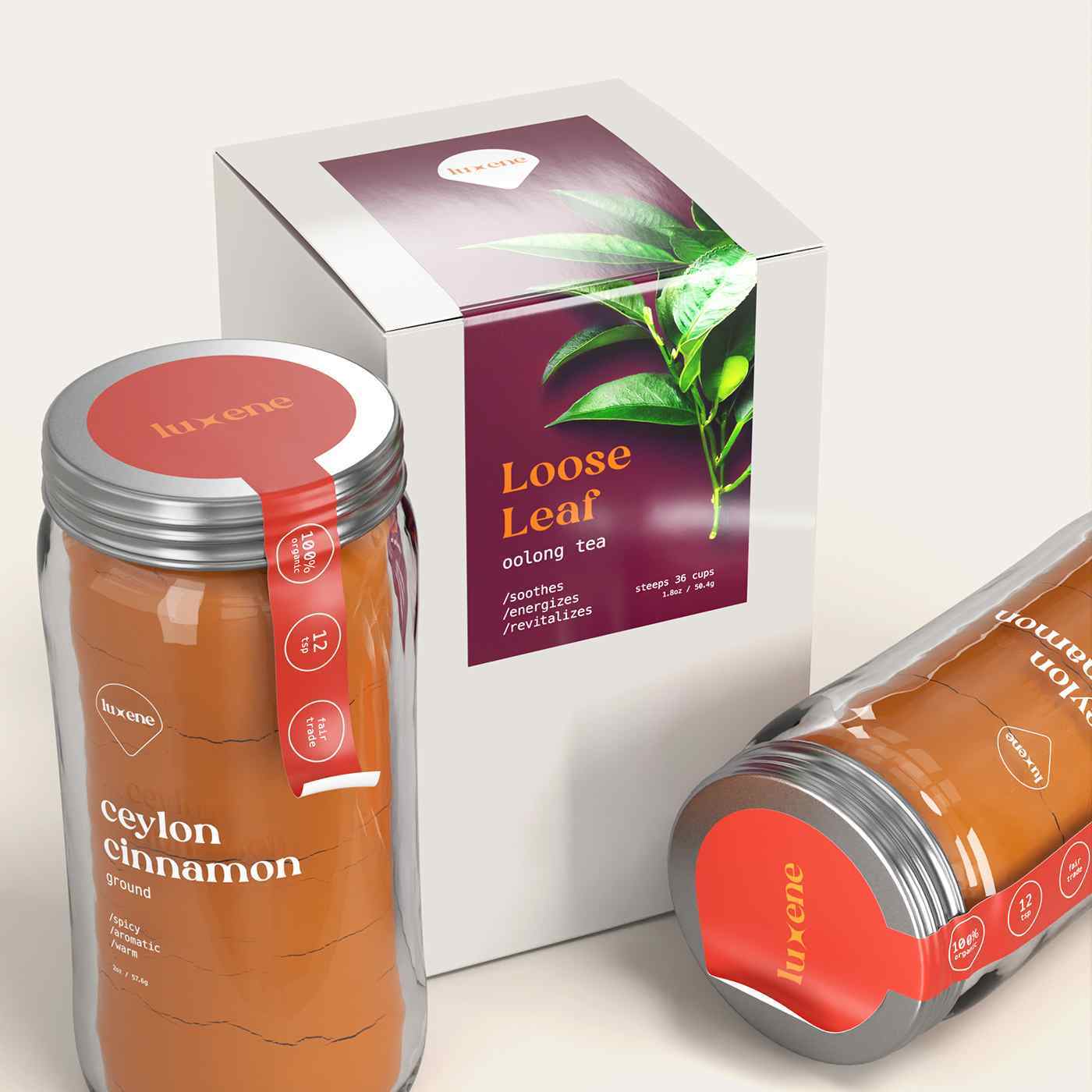
What it does: Makes basic packaging look branded fast.
When to use it: Sealing tissue paper, closing boxes, labeling bags or jars.
Best for: Every seller, especially handmade and giftable products.
Pro tip: Choose 1–2 sticker sizes and stick with them for consistency.
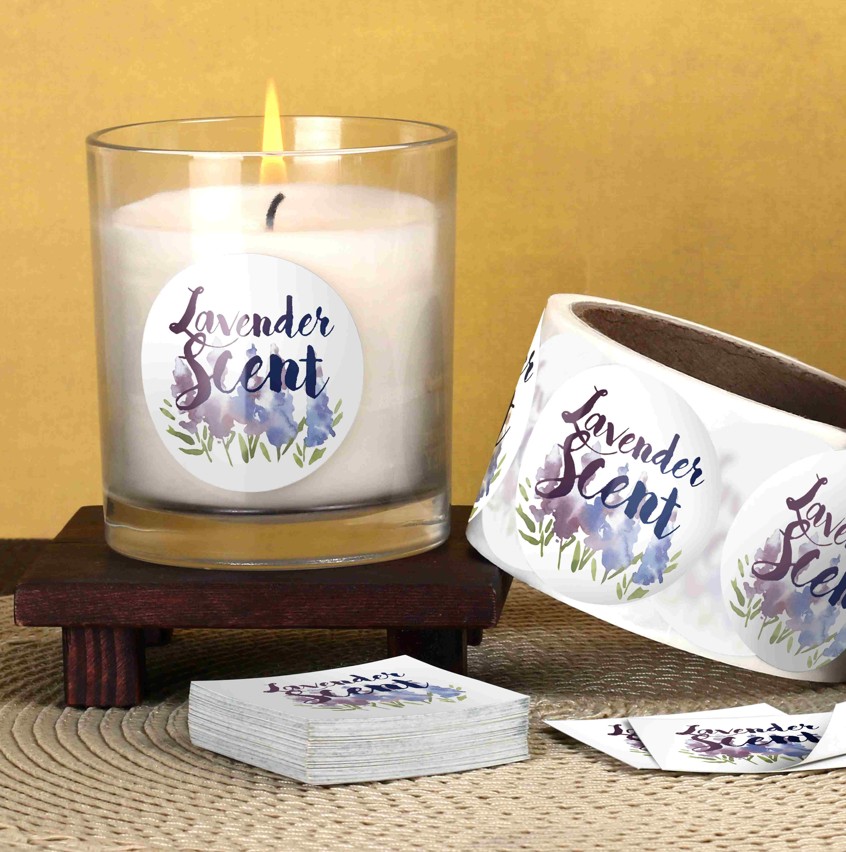
Product labels (variants/SKU/care/ingredients)
What it does: Prevents fulfillment mistakes and helps customers use your product correctly.
When to use it: If you sell variants like scent, size, shade, flavor, or bundle options.
Examples of what to include:
- Product name + variant
- SKU (even if it’s simple)
- Care instructions
- Ingredients or materials
- Batch number (optional)
Best formats: Sheet labels (small runs) or roll labels (high volume)
Promo insert or discount code card
Return/exchange info card
What it does: Cuts down customer service messages and sets expectations early.
When to use it: If sizing, color expectations, or product condition matters.
What to include:
- Return window
- Condition requirements
- Where to request a return (QR code recommended)
- A friendly tone that still protects your policy
Best format: Postcards or business card-sized inserts
Shipping labels
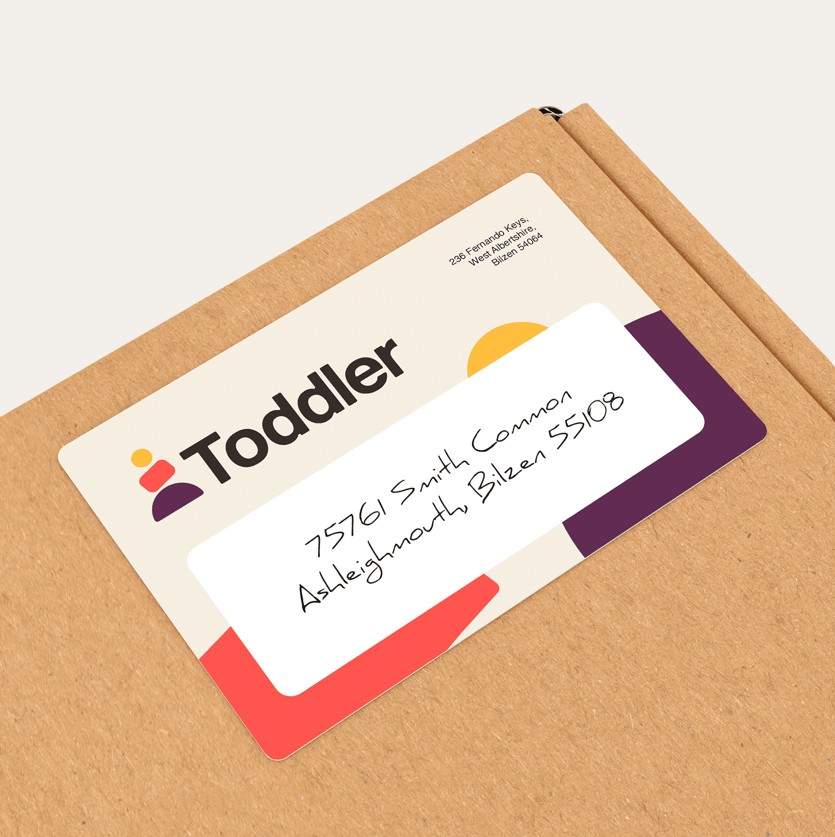
What it does: Keeps shipping clean, scannable, and mistake-free.
When to use it: If you’re printing labels at home or organizing batches.
Bonus use: Add internal order number stickers to match packages with orders.
Packing slip or branded note (optional)
What it does: Gives customers a quick order summary and adds professionalism.
When to use it: Helpful for gifting, bundles, or multi-item carts.
Optional add-on: “Packaged by ____” to add a personal touch.
Fulfillment & Shipping Operations (First Priority)
Before you add cute extras or branded tissue paper, lock in the basics. This part of the checklist helps you pack faster, reduce errors, and stay consistent during busy weeks.
Fulfillment Essentials (Prevents Mistakes + Saves Time)
Think of these as your “shipping workflow prints.” They’re not just branding. They prevent wrong orders, missing items, and return headaches.
Product Labels (Core Essential)
Product labels are one of the easiest upgrades you can make, because they instantly improve both fulfillment and customer confidence.
Use product labels to:
- Identify variants quickly while packing
- Reduce “wrong item shipped” errors
- Add care instructions or usage info
- Keep your branding consistent across product lines
When to choose roll labels vs sheet labels:
- Sheet labels: Great for small batches and lots of designs
- Roll labels: Best for scaling, faster application, and high volume
Shipping Labels
Clean shipping labels help prevent delivery issues and make your packages look professional, even when everything else is minimal.
Helpful additions beyond the address:
- Small “Order #” label for matching packages
- Barcodes or batch stickers (if you’re scaling)
- “Packed on” date for perishable goods (optional)
Fragile / Handle With Care Stickers (If Applicable)
If your products can crack, melt, spill, or crush, this is a low-cost protection step.
Best for:
- Glass bottles and jars
- Candles
- Ceramics
- Cosmetics or liquids
- Gift boxes
Pro tip: Pair “fragile” stickers with internal padding so you’re protected if damage happens.
Box + Packaging Branding (When You’re Ready to Scale)
Once you start shipping consistently, custom packaging helps you work faster and look more established.
Branding packaging helps with:
- Repeat buyer recognition
- Unboxing consistency
- Seasonal campaigns
- Retail-ready presentation
Start simple: Branded stickers + inserts first, then upgrade to printed packaging when it fits your volume.
Branding & Unboxing Experience (Build Trust Fast)
Your unboxing experience is your brand’s “in-person moment.” It can make a small shop feel premium, even on a budget.
Branding Inserts That Make Small Shops Look Legit
The goal isn’t to overwhelm customers with paper. It’s to add a few smart touchpoints that make your packaging feel intentional.
Thank-You Cards for Small Business (Core Essential)
Thank-you cards are simple, but they work because they make the order feel human.
Include one of these styles:
- Warm + simple: “Thank you for supporting my small business!”
- Brand story: “Handmade in small batches in [location]”
- Customer-first: “If you need anything, message us here: ____”
Add a QR code if you want:
- to your shop
- to a reorder page
- to your best-sellers
Stickers for Packaging (Core Essential)
Stickers are the easiest way to make packaging look branded without redoing your entire process.
Smart ways to use packaging stickers:
- Seal tissue paper
- Label the outside of shipping boxes
- Add branding to plain poly mailers
- Close small bags or inner boxes
Pro tip: If your aesthetic matters (and it does), keep colors consistent with your shop branding.
Branded Inserts (Small Detail, Big Upgrade)
Branded inserts are optional, but they can make your shop feel more established.
Ideas that don’t feel “too corporate”:
- “Meet the maker” mini card
- “How this was made” card
- “What to do next” card (follow, reorder, review)
- “Packaging checklist” style card for premium drops
Best formats: Postcards, flyers, or business card-sized inserts
Retention & Repeat Orders (Where Inserts Pay Off)
You already did the hard part: you got the customer to buy. Now your printed materials can help you earn the second order, the review, and the referral without needing a big marketing budget.
Retention Inserts That Increase Repeat Orders (Without Discounts Everywhere)
The best retention inserts are:
- Easy to scan
- Quick to understand
- Simple to act on
Promo Insert (Core Essential)
A promo insert gives customers a reason to return.
Good promo insert offers:
- “10% off your next order”
- “Free gift with your next purchase”
- “Bundle and save” options
- “Next drop coming soon” teaser
Pro tip: Add a simple time limit (like 14–30 days) to encourage action.
Review / UGC Request Card (Nice-to-Have, High Impact)
Reviews help you sell more without paid ads. A small printed card can make asking feel natural.
What to include:
- “Love it? Leave a review”
- QR code directly to your review page
- “Tag us to get featured”
- your @handle clearly printed
Best for: Etsy sellers, new shops, or products that need social proof.
Care Instructions / How-To Card (Reduces Support Questions)
If customers don’t know how to care for your product, they’ll either message you nonstop or they’ll get disappointed.
Best for:
- Apparel and printed shirts
- Skincare
- Candles
- Handmade goods
- Anything fragile or perishable
Include basics like:
- How to store it
- How to wash it
- How to use it
- What’s normal (ex: “natural separation may occur”)
Return / Exchange Info Card (Core Essential)
Yes, this belongs here too. A return card is also a retention tool because it prevents bad experiences from turning into bad reviews.
Simple is best:
- “Need help?”
- “Here’s our return policy”
- QR code to the correct page
- Clear time window
Nice-to-Have Printed Materials (Add These When You’re Scaling)
Once your “starter system” is working, these extras can help you grow without creating chaos in your packing flow.
- Seasonal insert (holiday messaging, limited drops) - Great for Q4, gift season, or limited collections.
- Bundle guide / “how to build a set” card - Helps customers buy more without feeling pressured.
- Referral card (“give $5, get $5”) - A repeatable growth tool if you already have happy customers.
- Wholesale line sheet (if expanding B2B) - Useful for boutiques, gift shops, and stockists.
- Event insert (pop-up schedule / market dates) - Perfect if you do weekend markets or local collabs.
Reorder Timing Guide (What Runs Out First + When to Restock)
Here’s the reality: ecommerce shops don’t run out of everything evenly. Some items disappear fast, especially when orders spike.
Fastest to Reorder (Weekly / Biweekly)
- Shipping labels
- Product labels
- Sticker seals
Best for: scaled shops, frequent drops, multi-variant products
Monthly Reorders
- Thank-you cards
- Promo inserts
- Return cards
Best for: steady order volume and consistent packaging flow
Seasonal / Quarterly Reorders
- Holiday inserts
- Updated promos
- Branded packaging refresh
- Event cards
Best for: sellers who plan around launches or peak seasons
frequently asked questions
A.
Start with three: thank-you card, promo insert, and return/exchange info card. They cover brand trust, repeat purchase, and customer support clarity.
A.
Yes. They’re one of the cheapest ways to make your packaging feel personal and professional at the same time, especially for handmade or giftable products.
A.
Use logo stickers and simple product labels. They create an instant brand system without changing your boxes, mailers, or packing materials.
In Summary
The best ecommerce packaging isn’t about doing the most. It’s about doing the right few things consistently.
Start small with a clean print system, then build as you grow. Your future self will thank you when you’re packing orders on a busy week and everything still looks polished.