The printing process has always been an important part of any political campaign. It helps candidates, organizations, and advocacy groups reach voters, build name recognition, and share their message.
Flyers, brochures, yard signs, postcards, and door hangers each serve a different purpose in a campaign. Knowing which materials to use and when to order them can help you reach more people, stay organized, and make the most of your budget. This guide will show you the main campaign printing materials, when to use them, and strategies for every stage of your campaign.
Start With Your Campaign Timeline, Include Your Product List with the Schedule
Most election campaign teams would first organize their campaign schedule, setting timelines so they can host political rallies and events with ample preparation. If you are in this planning stage, you should also include the print materials you’ll use for these events.
Try to align your flyers, banners, and other campaign prints with voter outreach goals:
| Campaign Stage | Primary Goal | Recommended Materials |
|---|---|---|
| Early Campaign | Build awareness | Flyers, brochures |
| Mid-Campaign | Increase visibility | Yard signs, posters |
| Final Stretch | Deliver key messages | Postcards |
| “Go Out To Vote” Phase | Drive turnout | Door hangers, reminder postcards |
Let your print materials support the events’ objective and ensure their designs, text, and images support their message.
Early Campaign: Introduce the Candidate or Cause
When a campaign begins, it’s important to build recognition and make the candidate’s identity clear. Start by introducing the candidate, pointing out their main values, and giving people a strong reason to support them. Simple and consistent messages help voters remember the candidate and set the stage for more meaningful connections later on.
The following print materials work best during the early campaign stages.
Flyers: Building Awareness and Engagement
Flyers are flexible campaign tools that work well at community events, fundraisers, town halls, and other local gatherings. They quickly introduce the candidate or cause, highlight the campaign’s key messages, and encourage voters to get involved. Flyers are also a cost-effective way to reach many people.
Brochures: Sharing More Detailed Information
Brochures give you more room to share campaign priorities, experience, endorsements, and important issues. They are a good choice for voters who want to learn more about a candidate or initiative, as they present detailed information in a clear, organized way.
Mid-Campaign: Increase Visibility Across the Community
As the campaign gains momentum, visibility becomes increasingly important.
Studies in political communication show that when people see a name often, they are more likely to remember it and have a positive impression. This is why campaign signs matter.
Start setting up the following signage and include powerful calls to action that encourage people to see the events and political rallies.
Yard Signs: Strengthening Community Visibility
Yard signs help keep a candidate’s name visible in the community by appearing often in busy spots. Placing signs along main roads or at supporters’ homes lets more people see the name, get interested, and ask questions that can help the candidate’s campaign. Keeping the signs up throughout the election season makes sure people keep noticing them.
Posters: Promoting Events and Outreach
Posters let people know about campaign events, town halls, fundraisers, and community meetings. Putting them up in public places and local hangouts helps with outreach, builds the campaign’s image, and makes sure people notice the campaign around town.
You can use your flyer and yard sign designs to make your posters better and create a consistent look across the community.
Final Months: Deliver More Targeted Messages
As Election Day approaches, voters pay closer attention to campaign communications.
This is when people move from just being aware to actually getting involved. At this stage, information about your platform and causes becomes especially important to most voters.
If you have scheduled your print materials well, now is the time when direct mail and EDDM matter most for your campaign. You may also try rush-printing some of your other early print materials, now with a focus on your platform and information, while keeping things consistent.
Postcards: Bringing Your Message Directly to Voters
Postcards remain popular because they help campaigns reach households directly and make the message easy to notice.
Campaigns often use postcards to share important issues, campaign goals, voting information, event updates, and reminders about early voting.
A strong approach for election postcards is to start developing designs, messages, and plans when the mid-campaign season begins. Next, organize your mailing list, EDDM routes, and schedule with USPS or other partner couriers. Aim to deliver the postcards at the start of the final campaign months.
Make sure your message matches your most recent election platform.
Go Out to Vote Phase: The Final Push, Focusing on Turnout
In the last weeks before Election Day, these efforts are crucial for both the campaign and overall voter turnout. At this point, promotions and outreach become more focused. The main goal is to remind supporters when, where, and how to vote.
Your campaign materials should now reflect this.
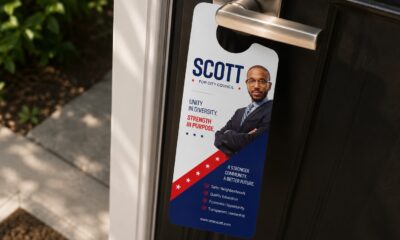
Door Hangers: A Useful Tool for Local Outreach
Door hangers work well during GOTV efforts because they let campaigns reach specific neighborhoods and groups of voters.
Volunteers often hand out door hangers to share:
- Election Day reminders
- Early voting information
- Polling location details
- Last-minute campaign updates
Since door hangers go straight to people’s homes, they can support canvassing and remind voters about conversations they have had with volunteers.
Mini Pamphlets for Key Voting Dates
Many campaigns hand out small pamphlets and postcards in the last weeks before an election. These remind voters about registration deadlines, mail-in ballot dates, and Election Day.
When campaigns pair these pamphlets with door-to-door visits and volunteer efforts, it makes voting information easier for people to find and use.
Printing for a campaign isn’t just about making as many materials as possible. It’s about choosing the right materials for each stage of the campaign.
Flyers and brochures are useful for introducing a candidate or cause. Yard signs and posters help make the campaign more visible in the community. Postcards are good for sending targeted messages as more people start paying attention. Door hangers can encourage people to vote when turnout is especially important.
When campaign teams match their print materials to their goals and plan ahead, they can reach more people, stay organized, and get the most out of their budget for voter communication.