For multi-location restaurant operators, brand consistency isn't just a marketing goal; it's an operational one. Menus get updated at the location level. Promotions roll out unevenly. Packaging runs out and gets reordered from whoever has it in stock. Left unchecked, these small inconsistencies in printed materials add up to mismatched guest experiences and costs that quietly spiral.
This guide is built for operations directors, franchise managers, and brand leaders responsible for multi-location restaurant branding. It outlines where inconsistencies typically occur, the real financial and compliance risks involved, and how centralized printing standards and workflows can help maintain control as your restaurant scales.
Why Brand Consistency Breaks Down Across Locations
Brand inconsistency across restaurant locations is usually the result of operational gaps rather than creative decisions. When individual stores handle their own printing, variations in layout, color, sizing, and materials quickly appear.
Common breakdown points include:
- Local teams creating or modifying designs without approved templates
- Multiple vendors using different paper stocks, finishes, or color settings
- Outdated files circulating across email threads or shared drives
- Rush reprints bypassing approval workflows
These issues create more than visual differences. They affect the customer experience and the brand’s perceived reliability. Guests expect the same look, messaging, and quality regardless of which branch they visit. When that consistency disappears, brand recognition weakens and trust erodes.
Over time, inconsistent printing leads to:
- Uneven customer experiences across locations
- Reduced brand recognition and professionalism
- Higher correction and reprint costs
- Greater operational friction during promotions or menu updates
Treating print consistency as an operational priority helps prevent these issues before they scale.
The Real Cost of Inconsistent Restaurant Printing
Direct Costs
Inconsistent printing often results in avoidable expenses:
- Reprints due to incorrect pricing, outdated items, or wrong layouts
- Small, last-minute print runs at higher per-unit costs
- Rush shipping and vendor switching fees
- Wasted materials from non-compliant or off-brand orders
When each location orders independently, economies of scale are lost. Even small design errors multiplied across locations can significantly increase monthly print spending.
Indirect Costs
Indirect costs can be harder to measure but are just as impactful:
- Slower rollout of new campaigns or menu changes
- Confusion among staff and customers
- Reduced brand trust and perceived quality
- Time spent correcting mistakes across locations
Inconsistent restaurant printing also complicates compliance. Incorrect allergen information, outdated pricing, or missing legal disclaimers can create risk for multi-location operators.
Where Inconsistency Shows Up Most in Restaurants
Printing inconsistencies typically appear in high-turnover materials, and items frequently reordered at the store level.
Common problem areas include:
- Menus and seasonal inserts
- Food packaging and labels
- Window signage and posters
- Table tents and promotional materials
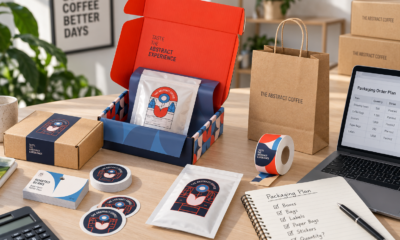
- Stickers and takeout packaging
Menus are especially vulnerable because they change often. Without standardized templates and centralized ordering, different branches may print slightly different versions. Packaging and labels present similar risks if materials, sizing, or color standards are not controlled.
For multi-location operators, these categories should be prioritized for standardization and centralized management.
Relevant solutions include:
- Menu Printing for standardized menu templates
- Food Packaging for consistent branded packaging
- Stickers and Labels for uniform labeling across locations
What Strong Multi-Location Print Standards Look Like
Effective restaurant printing standards create structure without slowing down operations. The goal is to allow local customization where needed while protecting brand integrity.
Centralized Brand Templates
Centralized templates ensure that all locations start from approved designs. These templates:
- Lock core layouts, typography, and branding
- Allow editable fields for store-specific details
- Maintain version control across updates
Templates reduce design errors and prevent unauthorized changes.
Approved Print Specifications
Standardized specifications help maintain visual consistency across vendors and locations:
- Paper stock and thickness
- Finishes and coatings
- Color standards
- Sizing guidelines
When these details are predefined, reorders are faster and results are more predictable.
Controlled Asset Libraries
A centralized asset library ensures that all teams use the same:
- Logos
- Fonts
- Approved imagery
- Legal and compliance text
Controlled assets prevent outdated or incorrect materials from circulating across locations.
Building a Centralized Printing Workflow
Step 1: Create Master Templates
Develop approved templates for:
- Menus
- Packaging
- Labels
- Signage
- Promotions
Templates should include locked design elements and editable fields for location-specific details.
Step 2: Define Approval Rules
Establish clear guidelines for:
- Who can edit templates
- Who can place orders
- What requires HQ approval
Defined approval workflows reduce unauthorized designs and prevent costly mistakes.
Step 3: Use a Centralized Ordering Platform
A centralized ordering system allows locations to:
- Access approved templates
- Customize only permitted fields
- Reorder quickly with consistent specs
This reduces vendor variation and ensures consistent quality across locations.
Step 4: Set Reorder and Inventory Guidelines
Standardize:
- Order quantities
- Reorder timing
- Version update procedures
Clear guidelines help prevent last-minute printing and inconsistent materials.
How Centralized Printing Reduces Risk and Costs
Centralized printing systems support both brand protection and cost control.
Risk reduction
- Prevents brand misuse and off-brand materials
- Reduces incorrect pricing or allergen information
- Limits unauthorized promotions
- Improves compliance with legal requirements
Cost control
- Enables bulk pricing and consistent specs
- Reduces reprints and corrections
- Speeds up rollout across locations
- Consolidates vendors for better quality control
As restaurant brands grow, these efficiencies become more important. A standardized print system supports faster expansion and smoother onboarding for new locations.
Choosing a Print Partner That Supports Multi-Location Control
Multi-location restaurants benefit from a print partner that supports centralized management and scalable ordering.
Look for a provider that offers:
- Template-based ordering
- Consistent specifications across orders
- Reliable nationwide shipping
- Easy reordering and version control
- Support for multi-location brand consistency
UPrinting supports restaurant operators with scalable printing solutions designed for standardized templates, repeat orders, and consistent output across locations. Centralized ordering helps maintain brand integrity while reducing operational friction.
Conclusion
A centralized print partner helps maintain restaurant brand consistency while reducing operational friction. By standardizing templates, specifications, and ordering workflows, multi-location restaurants can protect their brand, control costs, and scale more efficiently.