When customers ask what product boxes are made of, the real answer is surprisingly simple. Almost every retail or shipping box starts with one of two materials: cardstock or corrugated cardboard. They look similar at first glance, but they perform very different jobs. Picking the right one depends on how your product needs to be protected, presented, and shipped.
This guide breaks down each material in plain language, with quick tips to help you decide in minutes.
Cardstock (Folding Carton)
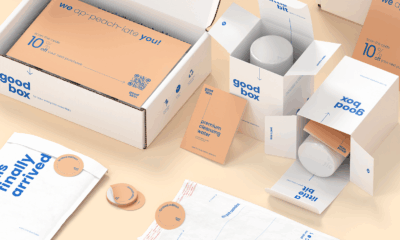
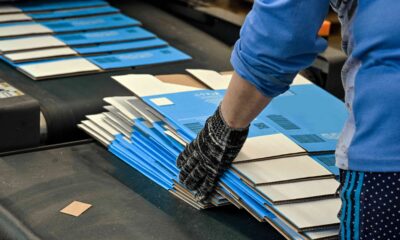
Cardstock is a smooth, single-ply paperboard often used for retail packaging. It is the go-to choice for products that need crisp printing, clean lines, and a refined unboxing experience. You will see it everywhere, from cosmetics and supplements to candles, soaps, and lightweight food items.
Common Thicknesses
- 14 pt. - Best for small, ultra-light goods
- 16 pt. - A versatile option that suits most retail cartons
- 18 pt. - Ideal for larger formats that need extra stiffness

When Cardstock Works Best
Use cardstock when visual appeal matters most. The surface allows detailed artwork and high-end finishes. It is built for shelves and storefronts, not for the rigors of shipping.
Quick Tips
- Choose 18 pt. for anything with extra height or width
- Matte finishes lean modern and minimal, gloss enhances bold color
- Give your product one eighth inch of breathing room inside the box
Do not use cardstock for direct-to-customer shipping
Enjoying this article?
Get more design ideas, print inspo, and expert tips straight to your inbox.
Corrugated Cardboard (E-Flute, 1/16")
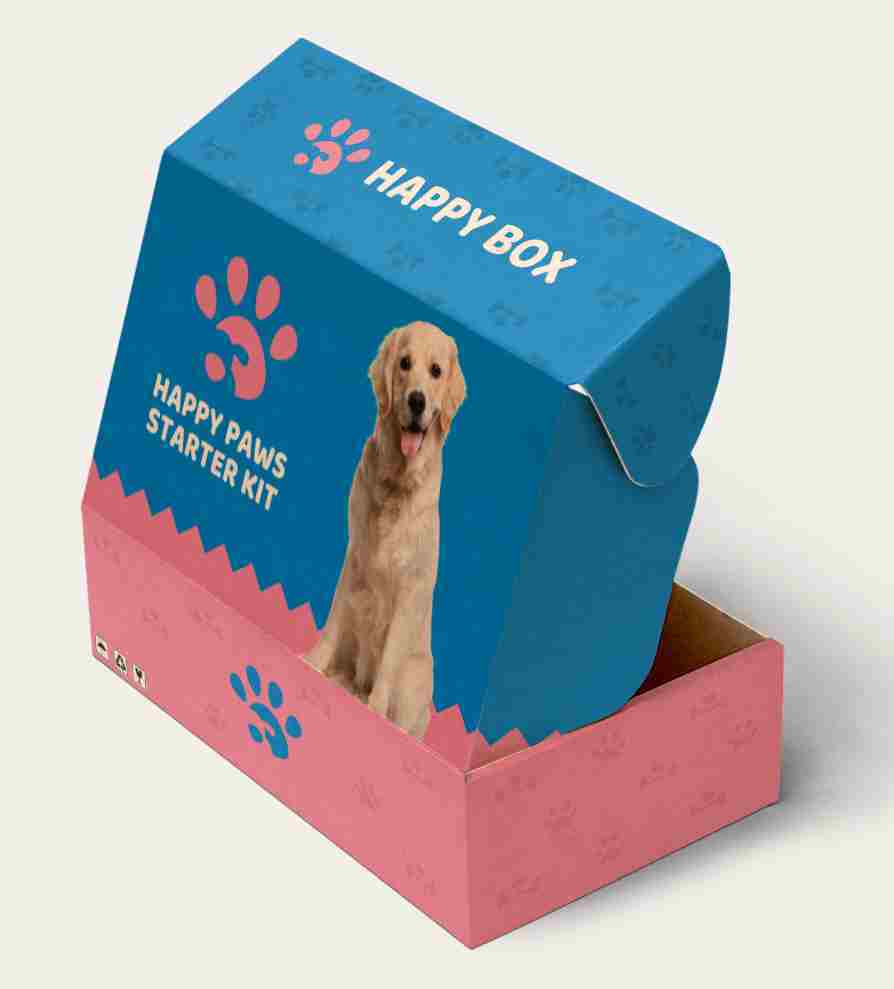
Corrugated features a fluted middle layer sandwiched between two liners. This inner structure provides strength, durability, and reliable support for heavier or fragile products.
When Corrugated Is the Better Choice
This material is made for movement. It is ideal for e-commerce boxes, subscription kits, fragile jars or bottles, PR packages, or anything that could be damaged in transit. If the product has weight, or if you are worried about breakage, then corrugated is your safest option.
Quick Tips
- Choose corrugated for any box that will be shipped
- White corrugated creates a cleaner and brighter print surface than kraft
- Add inserts to keep breakable items from shifting
For very small boxes, select cardstock because corrugated may lose sharp print detail at small sizes
A Fast Way to Make Your Decision
Answer these questions and the right material becomes clear.
| Question | If Yes | If No |
|---|---|---|
| Is the product lightweight? | Cardstock | Corrugated |
| Will the box be mailed or shipped? | Corrugated | Cardstock often works |
| Does the design need sharp, intricate printing? | Cardstock | Corrugated if protection matters more |
| Does the product require inserts or extra support? | Corrugated | — |
Avoid These Common Mistakes
- Picking thin cardstock for oversized boxes
- Using corrugated on tiny boxes when graphic detail is crucial
- Forgetting to leave interior clearance for the product
- Skipping a test fit before placing a large order
Final Thoughts
Your choice depends on four key factors, weight, fragility, printing expectations, and how the product will travel. Cardstock shines in retail environments where presentation matters. Corrugated provides the strength needed for heavy or delicate items. Once you match the material to how the box will be handled and delivered, the decision becomes straightforward.