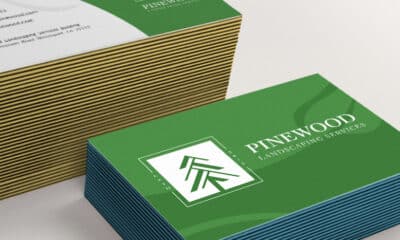
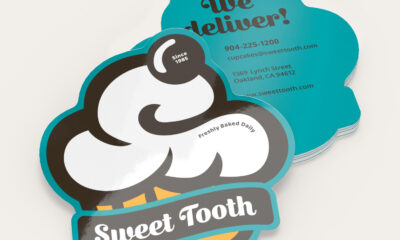
If you want to create a strong first impression on your clients and business partners, your business card is a great place to start. And while the etiquette of handing out your cards is vital, the strongest demonstration of professionalism always comes down to your business card design and the materials it’s made of.
In this article, UPrinting offers tips on how to choose the right material, thickness, and coating to enhance your business cards. We also list the advantages and options available to you before ordering your sets online.
Understanding Thickness: 14 pt., 16 pt., and 17 pt.
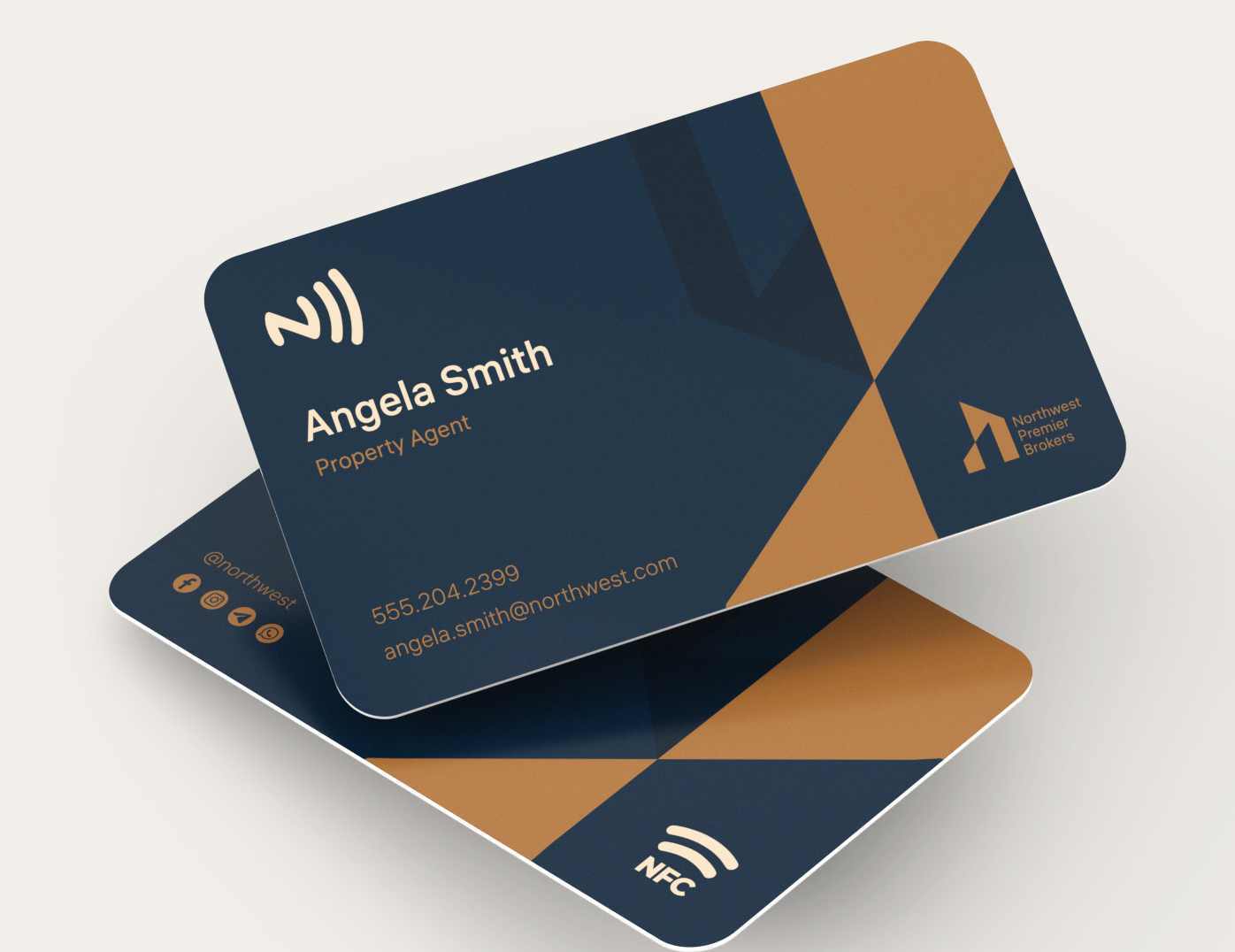
Understanding the different business card thicknesses is key to choosing materials that align with your brand representation. Different thicknesses usually affect the durability, feel, and overall presentation of your card, and knowing which option to go for sets your printing design and finish. At UPrinting, we offer three cardstock options for your business card.
| Cardstock Thickness | Key Features | Overall Feel | Ideal Uses |
|---|---|---|---|
| 14 pt. Cardstock |
• The thinnest option for business cards. • Affordable and easy to print in batches. • Maintains professionalism despite being mass-produced. |
• Thin, versatile, and budget-friendly. • Durable for everyday use but less substantial than thicker cardstocks. |
• High-volume printing. • Ideal for trade shows and event giveaways. • Great for businesses that reprint cards often. |
| 16 pt. Cardstock |
• Slightly thicker cardstock with a more premium feel. • A professional standard for strong first impressions. • Balances cost and durability well. |
• Noticeably firmer and more solid. • Holds its shape longer and feels more premium. |
• Ideal for face-to-face meetings. • Great for cards stored in wallets. |
| 17 pt. Uncoated Cardstock |
• Thickest and most durable option. • Natural texture acts as a design element. • Perfect for clean, organic designs. |
• Matte, minimalist, and upscale feel. • Ideal surface for writing. |
• Excellent for appointment cards. • Works well for eco-leaning branding. |
A Business Card’s Finishing Touch: Gloss, Matte, Uncoated, or Foil
Your booth space may be limited and renting a larger one can be costly. To save on additional costs, use materials that maximize your visibility without taking up too much space.
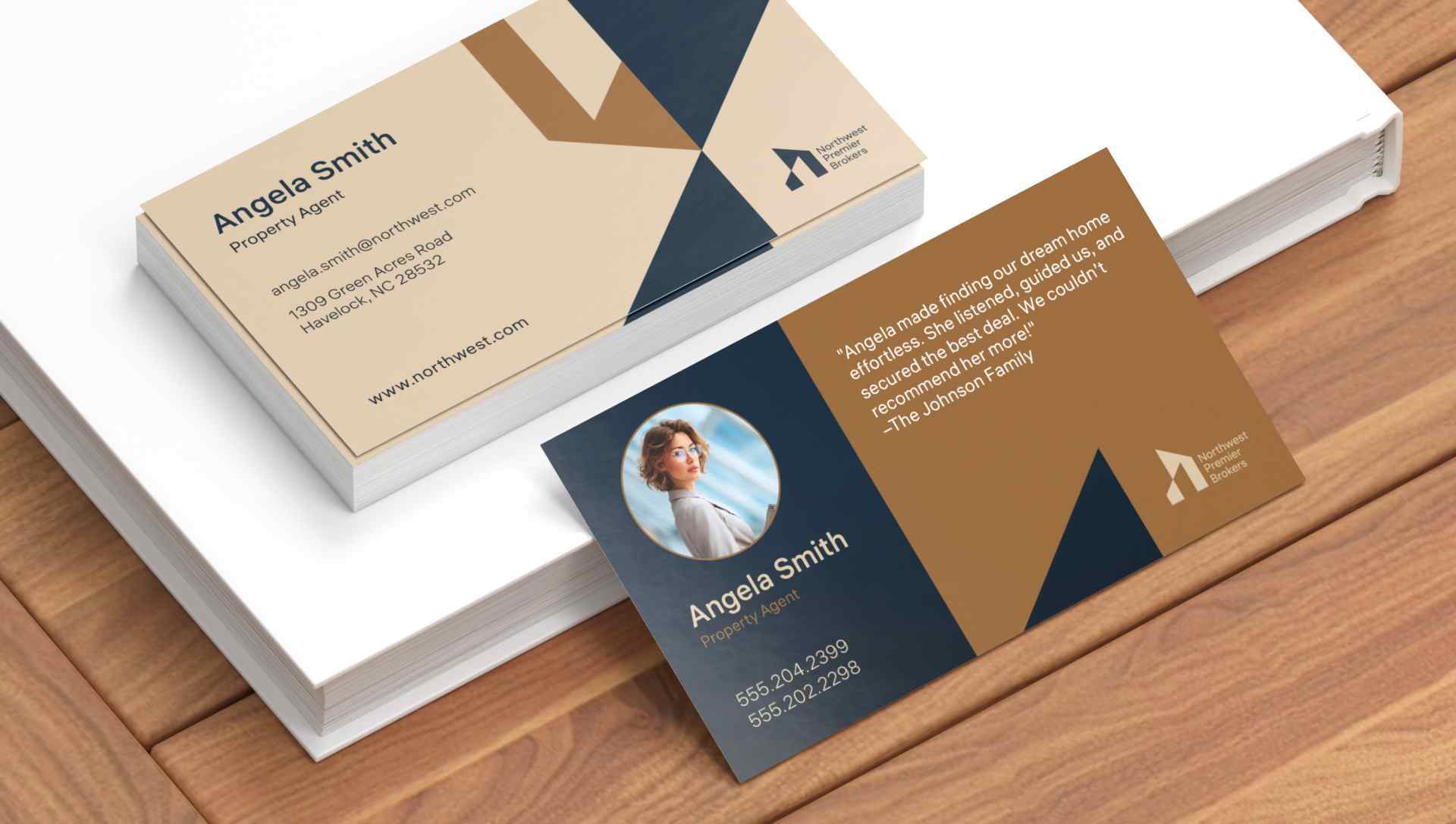
Aside from the thickness, business cards also thrive when the proper finish is applied to their surface. Aside from improving their design, custom coating adds a layer of protection to the business cards and makes them look more professional. If you aim to create a solid first impression, make sure that the proper finish is applied to your choice of cardstock.
| Finish | Finishing Details | Ideal Uses | Notes to Consider |
|---|---|---|---|
| Gloss |
• Delivers bright, vibrant colors with noticeable shine. • Images and graphics stand out with a slick, smooth feel. |
• Best for bold colors, photos, or energetic branding. • A standard option for bulk printing. |
• Ideal when visual impact matters more than written information. • The glossy surface makes writing on the card difficult. |
| Matte |
• Smooth, non-reflective surface with a clean, modern look. • Improves text readability and provides a refined tactile feel. |
• Ideal for minimalist or text-heavy designs. • Great for sophisticated branding without glare. |
• Works best for face-to-face meetings where touch matters. • Can highlight custom fonts and font colors despite being text-forward. |
| Uncoated |
• Natural, paper-like texture with no shine. • Commonly used for thicker cardstocks due to durability. • Provides the best writable surface. |
• Ideal for appointment cards or eco-leaning brands. • Common with 17 pt. cardstock. |
• Typically features white backgrounds for easy writing. • Often includes designated spaces for handwritten notes. |
| Foil |
• Adds metallic accents for a luxurious, eye-catching effect. • Highlights logos, initials, or pattern elements. |
• Best for premium or luxury business cards. • Ideal for showcasing high-end branding. |
• Can be combined with other finishes. • Works especially well with matte finishes for strong contrast. |
Frequently Asked Questions
A.
Many professionals prefer the 16 pt. cardstock since it provides a strong, professional feel without being overly rigid. It also offers the right balance of cost and professionalism.
A.
Go with the thinner cardstock option if you plan to distribute many business cards. These often work well for large events, trade shows, and other gatherings where handing out business cards is highly recommended.
A.
Uncoated cards offer the easiest writing surface, especially when they're designed to have ample writing space. Matte business cards also give a smooth writing option for pens and pencils.
A.
Yes. Most business cards come with custom finishes to enhance their longevity and readability of written information. Some coatings are also designed for multiple handling.
A.
Go for a matte finish for a sleek, tactile feel on your business cards. Choose gloss if you want to add bold, high-energy designs that make your business card stand out more.
A.
Foil is an excellent choice if you want a professional business card that highlights your branding. You can make branding elements such as logos or initials pop and shine with foil stamping, giving the card a premium, high-end touch.
A.
Yes. The added thickness communicates quality and durability, creating a more memorable first impression. Think of it like a firm handshake; you're showing your best foot forward and creating a professional outlook toward clients and business partners.
Wrapping It Up
Choosing the right cardstock and finish is more than just a simple design decision. It's also a professional decision you choose to represent your brand. While all options are open to you, you'll still need to consider the right combination of materials, design, and finish that will showcase your brand and your professionalism more confidently. Once you know how thickness and finish work together, it's easier to pick a combination that reflects your brand and holds up in real-world use.