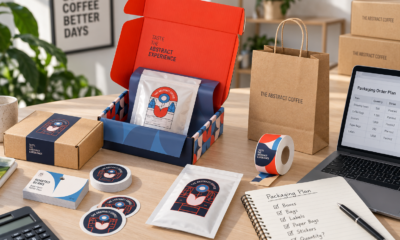
Branding doesn’t require custom box runs or large minimum orders. Many small online shops ship using stock mailers, supplier boxes, or plain packaging. That’s normal. What matters is what you add to it. Small, printed elements like stickers, inserts, and labels can turn generic packaging into something that looks cohesive and intentional. With a few affordable upgrades, even a simple mailer can feel like a branded experience.
Why Branding Still Matters Even With Generic Packaging
For most online sellers, packaging is the first physical interaction a customer has with the brand. Before they try the product again or visit your shop for a second purchase, they see how the order arrives.
Consistent visuals help customers recognize and remember your brand. Even small touches like a logo sticker or thank-you card can signal that the business is organized and professional. This is especially important for Etsy and Shopify sellers competing with other small shops using similar packaging supplies.
Branded touches also help set expectations. When packaging looks thoughtful and consistent, customers often perceive the product as more established and trustworthy. You don’t need a custom box to create that effect. Small, repeatable upgrades can go a long way.
What “Budget Packaging Branding” Actually Means
Budget packaging branding is about adding identity without changing the base packaging itself. Instead of investing in custom-printed boxes, sellers use flexible print items that can be applied to generic packaging.
These elements are easy to reorder in small batches and can adapt as your shop grows, or your branding evolves. That flexibility matters for new sellers who are still refining their logo, color palette, or messaging.
The goal is simple: create a consistent look across shipments using affordable print pieces that scale with your order volume.
5 Ways to Brand Packaging Without Custom Boxes
1. Branded Stickers for Instant Identity
Purpose:
Stickers are one of the fastest ways to turn plain packaging into branded packaging. They add a visible logo or design without changing the box or mailer itself.
How it works:
Apply a logo sticker to the outside of a mailer, on tissue wrap, or over a plain box seam. This creates a clear brand mark that customers see immediately when the package arrives or when they open it.
Setup steps:
- Create a simple logo or text-based design
- Choose a shape and size that fits your packaging
- Order in small batches so you can adjust later if needed
Cost considerations:
Stickers are typically one of the lowest-cost branding tools per order. Because they’re applied individually, they scale easily with your shipping volume and don’t require large upfront investment.
2. Packing Inserts That Tell Your Brand Story
Purpose:
Inserts give you a way to communicate directly with customers. They add personality, reinforce branding, and can encourage repeat purchases.
How it works:
Common insert types include thank-you cards, discount codes, care instructions, or short brand story cards. These pieces sit inside the package and help build a connection with the customer after they open it.
Setup steps:
- Write a short, clear message
- Use a simple layout with your logo and colors
- Print small runs so messaging can evolve as your shop grows
Cost considerations:
Small cards or flyers are inexpensive to print and lightweight to include in orders. The cost per package stays low, especially when printed in moderate quantities.
3. Branded Tape or Seals for a Cohesive Look
Purpose:
Branded seals or tape help unify packaging and make shipments feel more intentional. Even when using stock boxes, a consistent seal can reinforce brand identity.
How it works:
You can use sticker seals with your logo or a simple brand mark to close tissue paper or boxes. This adds a recognizable element to each shipment without requiring custom-printed packaging materials.
Setup steps:
- Choose a simple design that’s readable at small sizes
- Use the same seal across all shipments
- Apply consistently in the same placement
Cost considerations:
There may be a slightly higher upfront cost than standard tape, but sticker seals work across all packaging types and last through many shipments.
4. Custom Address and Return Labels
Purpose:
Shipping labels are functional, but they can also reinforce branding. Custom address or return labels make even basic packaging look more polished.
How it works:
Add your logo, brand colors, or typography to address labels or return labels. This ensures every package leaving your shop carries a consistent visual identity.
Setup steps:
- Create a label template with your logo and details
- Keep fonts and colors consistent with your other materials
- Use the same layout for all shipments
Cost considerations:
Labels are practical and affordable. Because they serve a required purpose, adding branding to them is a low-effort way to upgrade packaging without extra materials.
5. Tissue Paper and Sticker Combo
Purpose:
This combination creates a simple but effective unboxing experience. It adds a layer between the outer packaging and the product while reinforcing brand identity.
How it works:
Wrap products in plain tissue paper and seal with a branded sticker. The customer sees your logo when they open the package, creating a more intentional presentation.
Setup steps:
- Choose a tissue color that fits your brand
- Fold consistently for each order
- Seal with the same sticker design every time
Cost considerations:
Tissue paper is inexpensive and pairing it with a sticker keeps the per-order cost low. This method adds visual impact without requiring custom boxes or complex packing materials.
How to Keep It Consistent (Even on a Budget)
Consistency matters more than complexity. Using the same logo, colors, and fonts across all printed pieces helps create a recognizable brand.
Start with one or two elements, such as a sticker and an insert. As your shop grows, you can add more components like labels or seals. Reorder the same designs regularly so your packaging stays consistent across shipments.
Avoid mixing too many styles or design variations at once. A simple, repeatable system often looks more professional than using multiple unrelated elements.
Why Small Branding Touches Deliver Strong ROI
Small, printed elements are relatively low cost per package, but they can make a noticeable difference in how customers perceive your brand. Consistent packaging can make a shop feel more established and memorable.
Thoughtful packaging can also encourage repeat purchases. When customers remember the experience of receiving your order, they’re more likely to recognize your brand again in their inbox or in a marketplace.
For new sellers, these upgrades offer a practical way to build a professional image without committing to large packaging investments.
Conclusion
You don’t need custom boxes to create a polished brand experience. Generic packaging can still look intentional and professional with a few affordable printed elements.
Start with one or two pieces like stickers or inserts. As your order volume grows, you can expand your packaging system and add more branded touches over time. Small, consistent upgrades help your shop look established while keeping costs manageable.