Learn the top 4 ticket sizes for any event. From 5.5? x 2? to 8.5? x 3.5?, discover which format best fits your branding, budget, and guest experience.
Depending on the event type and audience, ticket sizes have many practical, functional, and marketing purposes. Whether you’re going for a small, medium, or large ticket size, each one can make a difference in enhancing your branding, security, and overall event experience. Here are the top 4 most popular ticket sizes, their uses and benefits, as well as the reasons why different ticket sizes matter.
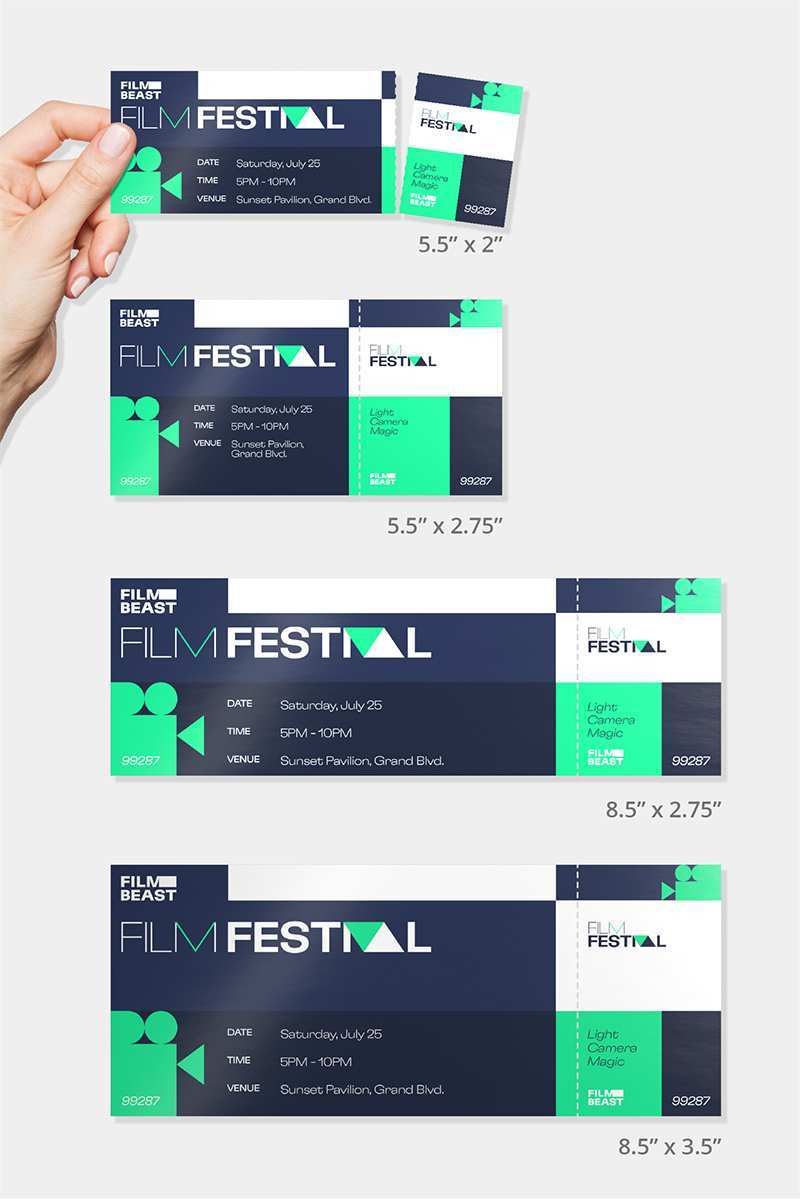
Ticket design templates in multiple sizes
| Ticket Size | Common Uses | Benefits |
|---|---|---|
| 5.5″ x 2″ | General admission, small concerts, raffles, sports events, and lotteries | Compact, easy to carry, cost-effective |
| 5.5″ x 2.75″ | Theater shows, small concerts, small venues, and fundraisers | Medium size with more space for branding and perforations |
| 8.5″ x 2.75″ | VIP events, festivals, high-end concerts and multi-day passes | Larger space for event details, branding, and security features |
| 8.5″ x 3.5″ | Premium events, backstage passes, commemorative tickets, and corporate events | Premium feel, great for souvenirs, more customization options |
5.5” x 2” tickets are compact in size and suitable for small events like general admission concerts, raffles, and lotteries. This size is easy to carry around and will fit easily in wallets, cardholders, or pockets, which makes it convenient for guests. 5.5” x 2” tickets are also cost-effective, as they don’t need too many details and are more affordable and faster to produce.
| Pros | Cons |
|---|---|
| ● Easy to carry | ● Limited space |
| ● Budget-friendly | ● Less secure |
| ● Simple and straightforward design | ● May feel less professional |
If your event requires a lot of space for details like schedules, seating information, sponsor logos, QR codes, or other security features, then this is the ticket size you need. This ticket size offers a sleek and professional design, perfect for sports events, festivals, high-end concerts, and any event that needs multi-day passes.
| Pros | Cons |
|---|---|
| ● Ample space for event details | ● Might be too big for small events |
| ● Sleek and professional design | ● Takes up space in wallets or pockets |
| ● Suitable for adding security features |
This ticket size is often used in large-scale, premium events like concerts, corporate events, backstage passes, and more. It allows plenty of room for customization, including artwork, holograms, watermarks, sponsor logos, and important event information. Guests can also keep them as souvenirs, which serve as a lasting reminder of their experience.
| Pros | Cons |
|---|---|
| ● Has enough space for branding and customization | ● Larger and bulkier for smaller or casual events |
| ● Great as souvenirs | ● Might be more expensive due to customization |
| ● Best for VIP passes and high-end events | |
| ● Professional and premium look | |
| ● Enhanced security features |
Ticket sizes might not be the first thing that would come to mind when planning an event, but they do play an important role. Here’s why:
Whether you’re planning a casual event or a premium one, ticket sizes can affect various factors, from security, branding, budget, and guest experience. When printing tickets for your event, remember to weigh the pros and cons of each size to determine which one best suits your needs.
