A Step-by-Step Marketing Guide to Keep Every Listing on Track
Successful real estate listing requires a clear plan that covers every step of the sales process. This includes preparing launch materials, promoting the property, hosting open houses, and gathering feedback after the sale. Using creative marketing tools and online platforms can help attract buyers and build your professional reputation.
This checklist covers the key marketing tasks and print materials you’ll need at each stage, such as flyers, brochures, and yard signs. Listing everything you use for planning will help you run every listing campaign with consistency and confidence.
Stage 1: Pre-Listing Marketing Preparations
Getting ready before a property goes live can make launch day or open house much smoother. If you prepare your marketing materials, branding, and selling points in advance, you’ll be able to act quickly when the listing is ready.
1. Gather Your Property Assets
Begin by gathering all the materials you’ll need for your digital and print marketing.
Your checklist might include:
- Professional photos
- Drone photos if needed
- Floor plans
- Video walkthroughs
- Property measurements
- Neighborhood photos
- Property highlights from the seller
You’ll use these materials for your online listings, social media, brochures, flyers, postcards, and real estate presentations. Getting everything ready ahead of time helps you avoid delays in your marketing.
Practical tip:
Set up a digital folder for each listing and sort all your assets into subfolders for photos, marketing copy, print-ready files, contracts, and client documents. This way, whether you work alone or with a transaction coordinator, you can always find the latest version easily.
2. Prepare Your Company Branding
Have your brand logo, signature colors, approved fonts, and other key identifiers ready so your business stands out. Check that these assets are current and include your latest contact details, social media handles, and a website or landing page.
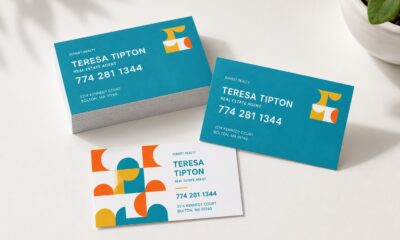
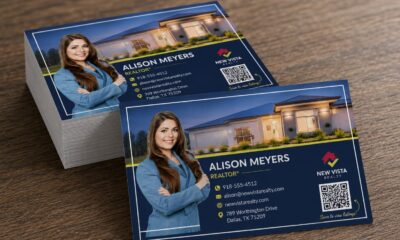
Using the same branding on flyers, brochures, postcards, business cards, banners, and open house signs helps people recognize your business and see it as more professional. Branded templates and layouts also save time when you design print materials and keep every listing consistent.
3. Create the Property Story
Before you create any marketing materials, describe what makes the property special. Ask yourself:
- What sets this home apart?
- Who would be the perfect buyer?
- What are its top three selling points?
- What kind of lifestyle does this home offer?
For example, rather than saying:
"Beautiful three-bedroom home with a spacious backyard,"
You could write the following:
"A move-in-ready family home with an updated kitchen, large backyard, and easy access to top-rated schools and neighborhood parks."
After you’ve written the main story for the property, you can use it for your MLS description, flyers, brochures, postcards, emails, and social media posts. This helps you keep your message consistent.
4. Plan for Your Print Marketing Materials
Each property listing is unique, so it's a good idea to choose the marketing materials you'll need before you start promoting.
For most residential listings, your marketing package might include:
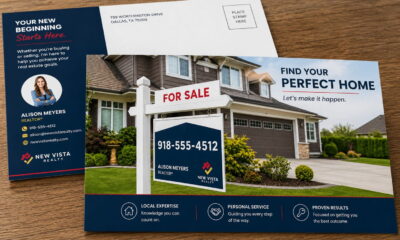
- Property flyers for showings and brochure boxes
- Multi-page brochures for open houses
- Yard signs with directional signs
- Open house signs
- "Just Listed" postcards
- Door hangers for nearby neighborhoods
- Large banners for luxury homes, new developments, or community events
If you plan ahead, you can order several materials at once instead of making separate purchases during your campaign.
Stage 2: Launch Day Marketing
Launch day is your chance to show the property to buyers and build excitement about the listing. If you prepare ahead of time, your marketing will go live everywhere at once, so buyers get the same experience whether they see the property online or in person.
1. Publish Your Digital Marketing
After your listing goes live, make sure it shows up correctly on every platform.
Here’s what to check:
- MLS listing is published.
- Real estate websites are updated.
- Listing is shared on major online real estate platforms.
- Social media announcement is scheduled.
- Email is sent to your buyer database.
- Test the property page on both desktop and mobile devices.
Before you share the listing, spend a few minutes checking the photos, pricing, contact details, and links. Paying attention to small details can really improve the buyer’s experience.
2. Install Outdoor Marketing Materials
Put up your yard sign as soon as the property is listed. If you plan to host an open house, prepare your directional and open house signs ahead of time. In busy areas or new neighborhoods, banners can help you get noticed.
Make sure every sign has your up-to-date contact details and a QR code that links to the property page or virtual tour.
Practical tip:
Test each QR code before printing to ensure it directs buyers to the correct web page.
3. Prepare Printed Materials for Buyers
Offer buyers something to take with them after a property showing. Flyers work well for individual showings, while brochures give you more space to include photos, floor plans, and neighborhood details.
If your yard sign has a brochure box, make sure it stays filled while your property is listed. You can also include a QR code on your flyers and brochures so buyers can easily access the online listing, virtual tour, or additional property information.
Stage 3: Open House Marketing
An open house lets buyers see a property for themselves and get to know its features and the neighborhood. The National Association of REALTORS®' 2024 Profile of Home Buyers and Sellers found that 23% of buyers considered open houses or online video sites very helpful in their search. For this, you can easily make similar preparations with different print materials.
1. Set Up Clear Directional Signage
Post directional signs at nearby intersections that are easy to follow and won’t distract drivers. Open house signs can lead visitors to the entrance and registration area.
Banners can also help people spot open houses if the property is on a busy street or in a large neighborhood.
Before the event starts, make sure that:
- Directional signs are firmly in place.
- Open house signs can be seen from the street.
- The yard sign looks clean and is in good shape.
- Brochure boxes are filled with enough materials.
Swapping out faded or damaged signs might seem minor, but it keeps your listing looking professional the whole time it’s on the market.
2. Provide Buyers with Take-Home Information
After a buyer tours the property, give them your business card. This makes it easy for them to contact you with questions or if they want to move forward.
Brochures are helpful too, letting buyers review the property's details after a showing or open house.
Be sure to include these items in your brochures:
- Property highlights
- Professional photos
- Floor plan
- Neighborhood amenities
- Your contact information
- A QR code linking to the online listing or virtual tour.
3. Capture Future Opportunities
Not every visitor will buy the property, but some may become future clients. When you ask for their contact details, offer something useful, such as:
- A local market update
- A first-time home buyer checklist
- A neighborhood guide
- A home valuation for nearby homeowners
When you give visitors something helpful, it encourages them to keep in touch after the open house.
Stage 4: Turn One Sale Into Your Next Listing
Promoting your real estate business does not stop once you close a deal. Often, it is a chance to build a stronger reputation in your local area.
You can highlight your successful sales and celebrations in future marketing materials and note these important achievements to improve your credibility.
1. Update Your Promotional Materials to Inform Past Clients
After the deal is complete, make sure to update your marketing right away. This way, your previous clients know your real estate activities, and potential clients see that you are successfully helping buyers and sellers reach their goals.
Here are some steps to add to your checklist:
- Put a "Sold" rider sign on the yard sign.
- Post a "Just Sold" update on your social media.
- Send your clients a thank-you note.
- Ask your clients for a review while the experience is still fresh in their minds.
- Take some closing photos if your clients are happy to share them.
2. Save Print Materials and Metrics; Review Them for Future Promotions
Before closing a listing, make sure to save your flyer, brochure, postcard, banner, and open house sign templates. Hold on to property descriptions, approved photos, and social media graphics too. Having a library of reusable templates saves time, keeps your branding consistent, and makes marketing new listings easier.
Also, take time to review the metrics for this sale and see how tracking, performance, and other activities contributed to its success. Consider whether you can use the same strategies for your other listings at future open houses or real estate events.
Final Thoughts
To run a successful listing campaign, start with a clear plan. Using a checklist from the early prep stages to after the sale helps you stay organized, give clients a steady experience, and keep your marketing focused.
As your business grows, this checklist becomes a system you can use again and again. It saves you time and helps you market each listing with confidence. Let UPrinting assist with your real estate print materials, offering a variety of small and large promotional tools that can assist you all the way.