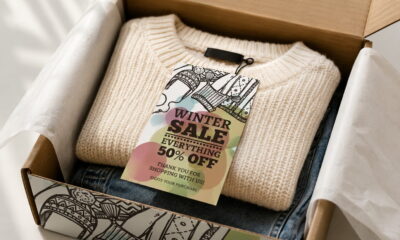
No matter how varied your retail business is, building and keeping a consistent brand makes your customer experience feel more professional.
Customers might find your business through a window poster, browse your store, pick up a brochure, or leave with branded packaging. If these touchpoints use the same colors, messages, and look, they help people remember your business and build stronger brand recognition.
The good news is you do not need a big marketing team or a long style guide to keep your brand consistent. A few simple systems can help your signs, packaging, and promotions stay on track as your business grows.
Your Brand Speaks Before Your Product Sells
Customers usually come across your brand before they decide to buy anything. According to Salesforce, 84% of customers say that the experience a company offers matters just as much as its products and services.
For retailers, that experience might start with a window sign, an in-store poster, a brochure, product packaging, or even a business card. Each item has its own role, but together they influence how customers see your business.
Building a consistent brand across your print materials does more than help people recognize you. It also shows customers that your business is professional and trustworthy.
Your Branding as Part of a Customer’s Journey
Many businesses connect branding with the customer journey, using it to turn customers into loyal fans. Consistent branding in your marketing is important, but it’s just as crucial to support your visuals with quality products and services.
This helps customers link their experience to your brand, which can lead to positive word of mouth. When people view your brand as excellent, your chances of success increase.
Here’s an example:
- A customer walks into your retail store and immediately notices your branding throughout the aisles.
- They start shopping and easily find everything they need. The staff are friendly, the shelves are well-stocked, and all items are easy to reach.
- At checkout, you offer them a free branded shopping bag or some branded stationery.
- The customer enjoys the experience and says they’ll return. You also give them a branded business card or a referral coupon, making it easy for them to recommend your store to friends.
With all this in mind, how can you build a brand that stands out and gets noticed?
Start With Three Core Brand Elements
Most businesses can build a strong brand by focusing on just three main elements. This straightforward method keeps your brand consistent without making things complicated or expensive.
- Brand Colors
- Pick a few main brand colors and use them the same way on your signs, packaging, ads, and printed materials.
- Write down the exact color codes so vendors can match them. This matters most when you work with different suppliers for things like signs, labels, packaging, and marketing materials.
- Fonts
- Stick to one main font and one backup font for your business.
- Make sure your fonts are easy to read, fit your business style, and help you stand out.
- Choosing simple fonts is easier to manage and makes your business look more professional.
- Logo
- Use your brand colors and fonts to design a logo that feels unique, timeless, and true to your business.
- A helpful way to design your logo is to think about your business’s history. Look for symbols that have shaped your brand’s story.
- Finally, make official versions of your logo and keep them in one place everyone can access.
You can also create different versions of your logo, such as:
- Full-color logo
- Black-and-white version
- Horizontal version
- Icon-only version, if applicable
Create Templates for Materials You Use Regularly
There are many types of promotional materials, and each one usually has its own purpose.
- Posters help announce sales.
- Brochures provide product information.
- Business cards support networking and partnerships.
- Labels and stickers can make your packaging look more appealing.
Instead of designing every item from the beginning, your business can make templates for the materials you use most. If you have several store locations, templates help keep your branding consistent everywhere.
Every template should already include:
- Logo placement
- Approved colors
- Font selections
- Image guidelines
- Standard layout structure
Using templates saves time and makes it easier for your team and vendors to create materials that match your branding. It also means you have fewer decisions to make each time you start a new promotion.
Brand Strategy and Packaging
Packaging is usually the last way customers interact with your brand in person. It can keep building brand recognition even after the sale. This is why creating appropriate packaging with your brand is essential.
Small touches can make a big difference:
- Add branded labels to your products.
- Seal packages with custom stickers.
- Use consistent colors for your packaging.
- Include thank-you notes that match your brand’s look.
- Add a business card to each purchase.
These small details make the customer experience feel more immersive and help keep your brand top of mind after they leave.
If your business depends on repeat customers, good packaging can help keep them coming back and encourage them to recommend you to others.
Keep Vendors Aligned With Your Brand
Retail businesses frequently partner with different printing services for their marketing promotions, packaging, and brand visibility. Keeping them updated on all your branding changes and promotional needs ensures you get consistent printing and high-quality essentials when you need them.
A simple solution is to create a shared brand folder that includes:
- Approved logo files
- Brand colors
- Font information
- Templates
- Photography examples
- Brand guidelines
Providing the same resources to every vendor helps maintain consistency across projects and reduces revisions.
The proofing process is also vital. Ensure to carefully inspect colors, logos, and layouts to align with your standards.
frequently asked questions
A.
Most retail businesses can build a strong visual identity by choosing one main color, one secondary color, and one accent color. Keeping your color palette simple makes it easier to stay consistent on signs, packaging, and promotions.
A.
When your branding is consistent, customers are more likely to recognize and remember your business. It also helps your marketing, packaging, signs, and customer messages look more professional.
A.
Customers notice things like store signs, posters, brochures, product labels, branded stickers, packaging, and business cards as they interact with your business.
A.
Not always. Many retail businesses can stay consistent by using a simple document that lists approved colors, fonts, logo files, and templates for the materials they use most often.
Final Thoughts
Strong and consistent branding helps customers recognize and remember your business, no matter where they see it. A simple brand system with set colors, fonts, templates, and shared assets makes it easier to create posters, brochures, business cards, labels, stickers, and packaging that all look consistent.
Keeping your brand consistent over time helps customers recognize your business, builds trust, and supports your marketing efforts.
For many retail businesses, keeping branding consistent is not just about design. It is a practical way to give customers better experience and make your brand more memorable. Working with reliable providers like UPrinting can be a helpful first step if you want to update or create your retail branding.