In the world of networking, first impressions matter. Yet most business cards suffer the same fate: they’re tossed into the trash or forgotten in a drawer. That’s because they fail to make a lasting impact. But your business card doesn’t have to be “just another one.” When done right, it becomes a powerful storytelling tool, a pocket-sized advertisement, and a reminder of why someone should remember—and contact—you. This guide will show you how to create a card that not only stands out but also has staying power.
What Makes a Business Card Still Relevant Today?
With digital connections just a tap away, it’s easy to think printed business cards are outdated. The truth? They remain one of the most effective tools for face-to-face networking.
- Tangible professionalism. Handing someone a card feels more personal than asking them to search for you online.
- Instant recall. Cards serve as a physical reminder long after the conversation ends.
- Universal convenience. No apps, batteries, or Wi-Fi needed.
- Pocket-sized branding. Your logo, colors, and tagline travel wherever your card does.
Unlike an email address quickly forgotten, a well-designed business card creates a tactile and memorable connection.
Laying the Groundwork: Brand and Strategy
Before jumping into design tools, you need to define what your business card should communicate. This clarity ensures your card supports, not contradicts, your broader brand.
- Start with your logo and colors. These are the anchors of your brand identity.
- Decide on the tone. Are you aiming for playful, approachable, serious, or authoritative?
- Think about your audience. What impression do you want clients, peers, or recruiters to leave with?
- Maintain consistency. Your card should align with your website, LinkedIn profile, and other materials.
A business card that reflects your story and values will feel more authentic and professional.
Step 1: Choose the Right Size and Shape
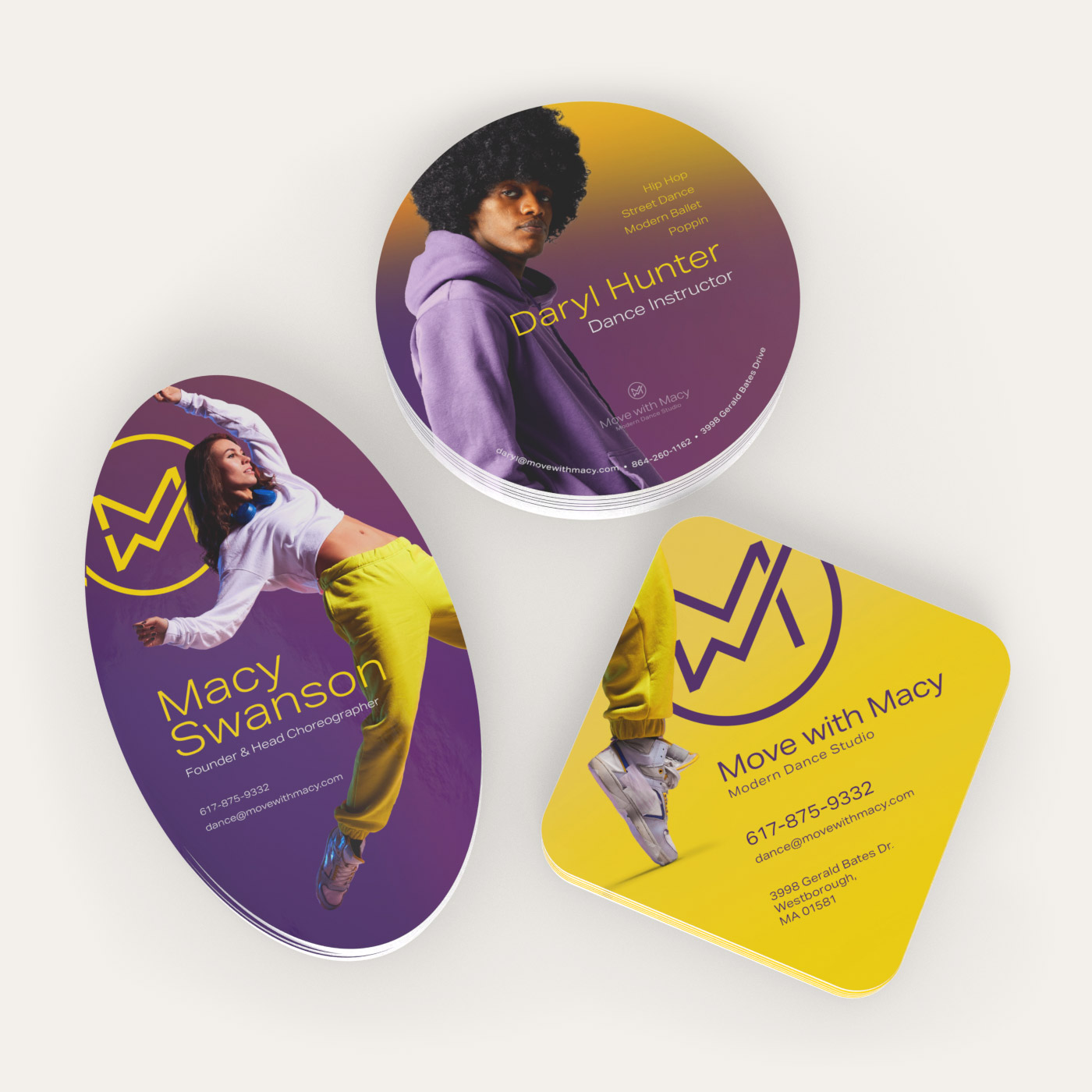
The shape and size of your card can instantly set it apart. While standards exist, small tweaks can make a big impact.
- Standard 3.5" x 2". Fits wallets, card holders, and most people’s expectations.
- Vertical orientation. A subtle twist on the classic look.
- Rounded corners. Softer, more modern feel without going over the top.
- Square or mini cards. Eye-catching because they break the norm.
- Die-cut shapes. Match your product or logo for a memorable impression.
For inspiration and precise specs, check out our business card size guide.
Step 2: Design Basics That Work
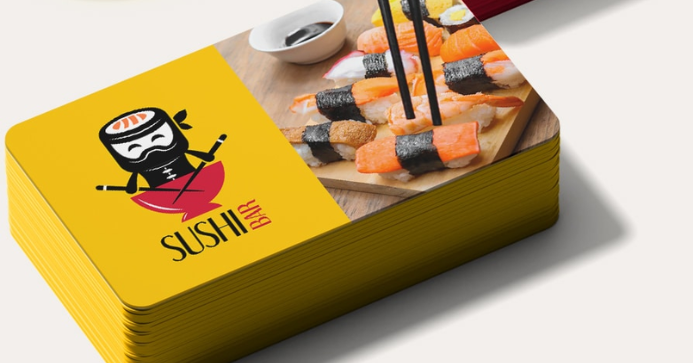
Your design should balance creativity with clarity. If people can’t read your card at a glance, it fails in its purpose.
- Keep text legible. Use fonts no smaller than 8 pt.
- Highlight the essentials. Name, title, company, email, and phone are usually enough.
- Avoid overcrowding. Too much info shrinks readability and looks cluttered.
- Contrast is key. Light text on dark backgrounds or vice versa improves readability.
- Logo as a focal point. Make your brand instantly recognizable.
Not a designer? Don’t worry! You can use free design tools and templates to start strong.
Step 3: Add Personality and Storytelling
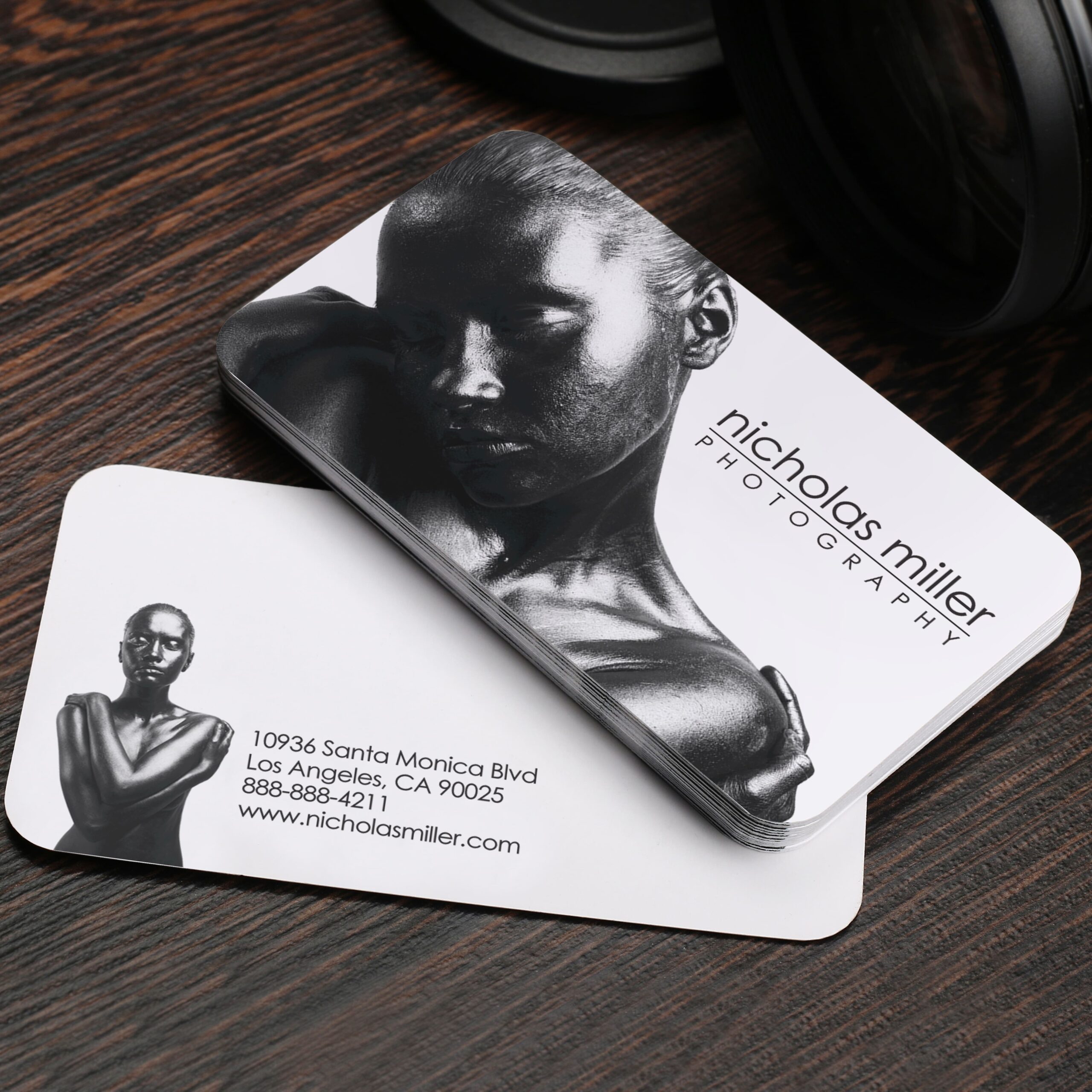
A card should do more than share details. It should share your story. By weaving in brand personality, you give people a reason to remember you.
- Color psychology. Bright hues energize, muted tones suggest professionalism. (See our article on the psychology of business cards for more insight.)
- Typography that signals personality. Sleek sans-serifs for modern brands, classic serifs for tradition, playful fonts for creative businesses.
- Taglines or slogans. Add a short line that reinforces your mission or service promise.
- Back-of-card storytelling. Use the reverse side for a quote, mission statement, or a striking visual that captures your brand essence.
Step 4: Make It Useful and Interactive
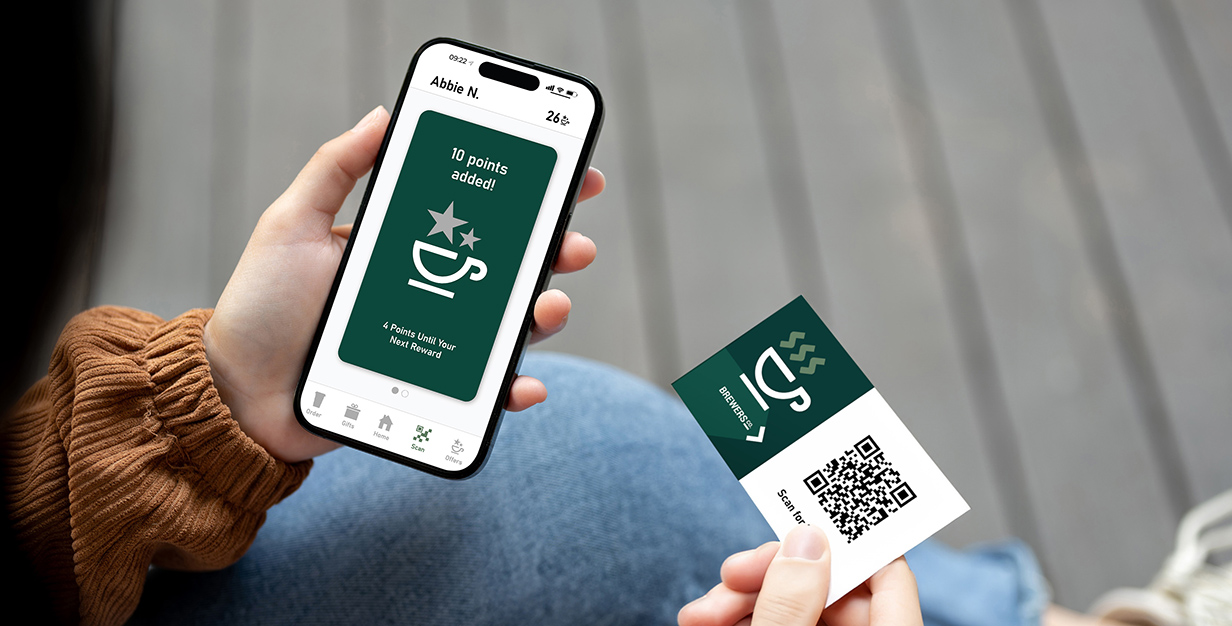
If your card serves a second purpose, it’s less likely to get thrown away. Utility equals longevity.
- Scannable QR codes. Instantly link to your website, portfolio, or LinkedIn profile.
- Discount codes. Offer a small incentive to drive engagement.
- Mini calendars or reminders. Especially useful for service-based professionals.
- Clear calls-to-action. “Book your consultation” or “Scan to claim your offer.”
- Interactive features. Foldouts, scratch-off areas, or even AR codes for tech-savvy audiences.
For a modern twist, weigh the pros and cons of digital vs. physical business cards.
Step 5: Choose the Right Materials and Finishes
The weight, feel, and finish of your card influence how it’s perceived. Tactile details can make your brand unforgettable.
- Standard stocks. 14 pt and 16 pt card stock are affordable and durable.
- Premium options. Textured, recycled, or plastic cards for standout branding.
- Matte finish. Sleek, modern, and easy to read.
- Gloss finish. Brightens colors and protects against wear.
Specialty finishes:
- Foil stamping for elegance and shine.
- Embossing/letterpress for raised or pressed textures.
- Spot UV for subtle contrast and sheen.
- Die-cut edges for shapes that surprise and delight.
Explore all the possibilities with custom business cards.
Step 6: Test Before You Print in Bulk
Nothing kills excitement like a box of poorly printed cards. Always test before committing.
- Check hierarchy. Do eyes flow naturally from name to contact info?
- Proof carefully. Look for typos, spacing issues, and off-brand colors.
- Ask for feedback. A colleague’s fresh perspective often catches what you miss.
Pro Tips to Elevate Your Business Card
Small tweaks can take your card from ordinary to unforgettable.
- Tie design choices to marketing psychology—make details easy to scan and recall.
- Use both sides strategically: details in front, value-add in back.
- Leave white space to improve visual flow.
- Ensure consistency with your overall brand identity.
- Hire a professional designer if your industry is highly competitive.
- For inspiration, review the 10 essential parts of modern business cards.
A business card is far more than a rectangle of paper. It’s your story in someone else’s hand. By combining design fundamentals with creative storytelling, tactile finishes, and functional elements, you create something people want to keep, not toss. The right business card doesn’t just share your information—it ensures your brand stays top of mind.