Creating a brand does not just mean designing visuals for looks; it’s also about building recognition. You can have a stunning logo, beautiful packaging, eye-catching images, and clever social media posts. However, if your branding doesn't match your website or print materials, the best ideas can fall flat, and you'll lose credibility fast. So, how can you maintain brand consistency across all platforms? Read on as UPrinting shares tips for designers and entrepreneurs to build trust and make your brand unforgettable, whether on packaging, print, or social media.
Branding consistency means presenting your brand in the same way across every platform, whether offline or online, in print, on packaging, or on the web. This usually includes various components of your brand, from your logos, colors, and fonts to the tone and material you choose.
But what happens when branding is inconsistent?
For example, if your Instagram post uses colors that don't match your brand, your print marketing materials use different fonts, and your website has another logo that can't be seen on other platforms, you can expect your audience to:
When customers see your brand, they should recognize it immediately—and that's what consistency does. It reinforces who you are while creating a seamless, polished experience that builds trust.
Branding consistency means presenting your brand in the same way across every platform
Branding consistency does not have to be complicated. Follow these tips to help align your designs, messaging, and materials to make your brand cohesive and seamless:
Famous brands like Netflix, Apple, and Spotify are just some of the many companies that use brand kits to ensure consistent branding. A brand kit is an essential collection of assets and guidelines that helps maintain consistency across all platforms. It contains various elements that define a brand’s visual identity and keep everyone involved — whether designers, collaborators, or printers — on the same page when creating online or offline material.
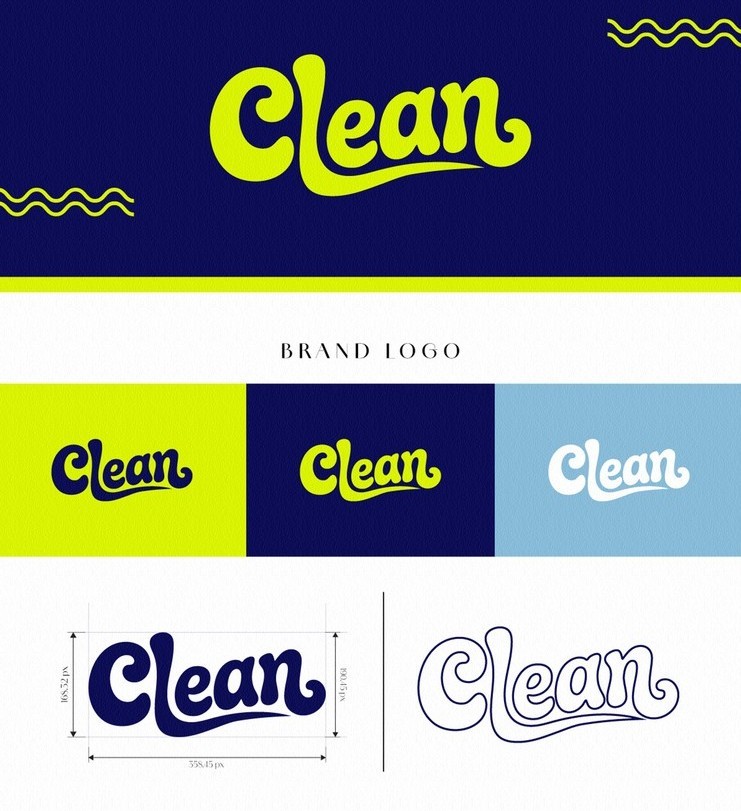
Brand logo design and visual identity presentation
Your booth space may be limited and renting a larger one can be costly. To save on additional costs, use materials that maximize your visibility without taking up too much space.
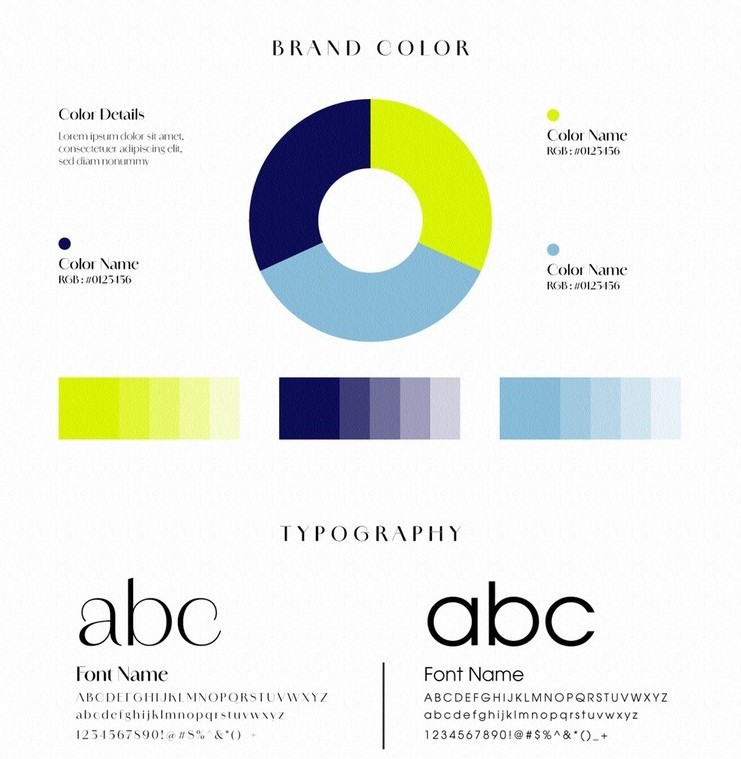
Brand color palette and typography style guide
Here’s what you should include in your brand kit:
Using a brand kit as your foundation saves you time because all the assets you need are in one place. Most importantly, it shows that your designs belong to the same brand family and won’t cause any confusion for your customers.
Your brand kit was created for a reason: to encourage brand recognition from unboxing to Instagram follow.
Your packaging and digital marketing should feel like siblings—resonating with and connecting to your audience, not feel disjointed.
That is why it’s essential to use the same logos and color palettes across every platform.
Brands like Pepsi and Coca-Cola are such examples, with both incorporating their logos and product packaging colors to encourage brand recognition in their Instagram posts, even in the most subtle ways.
Repetition is key to branding consistency — and that includes visual hierarchy in your design. For example, use the same header sizes, whether you’re creating content for print or digital platforms. Make sure call-to-action buttons and images are placed in familiar places, and use the right margins, bleed, trim, and spacing on all templates.
For better results, save grid systems and spacing rules as presets in your design files for effortless structure and alignment.
Repetition is key to branding consistency
Templates are one of the simplest and easiest ways to ensure your content remains consistent. Creating templates for print, email, social posts, and packaging saves you time, streamlines the design process, and makes sure every aspect of your content stays on-brand.
When setting up pre-made templates, remember to include:
Additionally, reusable templates can reduce the need for revisions, speed up approvals, and make updating assets a breeze thanks to their customizable elements.
Branding is not just all about your design; it also involves the voice and tone that you use. For example, suppose your email copy is fun and playful, but your website and social media posts are formal and professional. In that case, your content might not resonate with your target audience and only confuse them about who you are. Consider your voice and tone as your brand’s personality; your customers should feel familiar with your brand whenever they interact with it.
Here’s how you can maintain a unified voice:
Even the most minor adjustments, like your call to action or greeting, can affect how your brand is recognized. Consider using a style guide for your brand voice so that everyone writes with the same tone and vocabulary.
Yes, applying the same branding elements contributes to branding consistency, but did you know you can still get creative while doing so?
Airbnb global olympic partnership
Don’t hesitate to experiment a little with textures or imagery but stay within structure by working with your brand’s color palette, logo, and tone. Take, for example, Google and Airbnb. These brands feature variations and creative styles of their logos and icons in their collaborations, while maintaining the same logo shape or color palette.
Your print materials can also say a great deal about your brand. When selecting materials and finishes, choose those that match your brand personality.
Check out our recommendations below:
Whether you’re designing promotional products or packaging, keep in mind that your audience’s first physical impression starts when they see and feel the quality of the material you choose. To get a better idea of what material or finish is right for your brand, order printed samples to ensure they match the visuals you’re opting for.
Maintaining consistency is hard when your files are unorganized across devices and platforms. To keep your brand assets organized, build a clear, shareable system that you, your team, or collaborators can easily access for storing and naming files.
Follow this quick guide:
Whether you’re working solo or with a team, having shared access helps in keeping branding aligned. When your assets are organized, you won’t have any trouble finding files; no assets will get lost in the cloud, and there’s no need to guess which is the right one to use.
Ready to start designing? Check out these resources to streamline your branding workflow:
Consistency starts with practicing small habits in your routine. Here's how to make it happen:
Strong brands aren't built overnight; they're built through consistency. When every detail about your brand aligns across all platforms, customers are more likely to trust you and recognize you. Remember to follow our tips, take time to standardize your materials, and refine your brand kit so you can design faster, collaborate more effectively, and maintain a polished and professional brand look.
Want more tips? Browse our page for more articles on packaging, branding, and visual strategy to keep your creativity and consistency thriving.
